Sight loss is common in older dogs and less disabling than owners fear, because dogs rely far more on scent and hearing than on vision.
What is normal ageing?
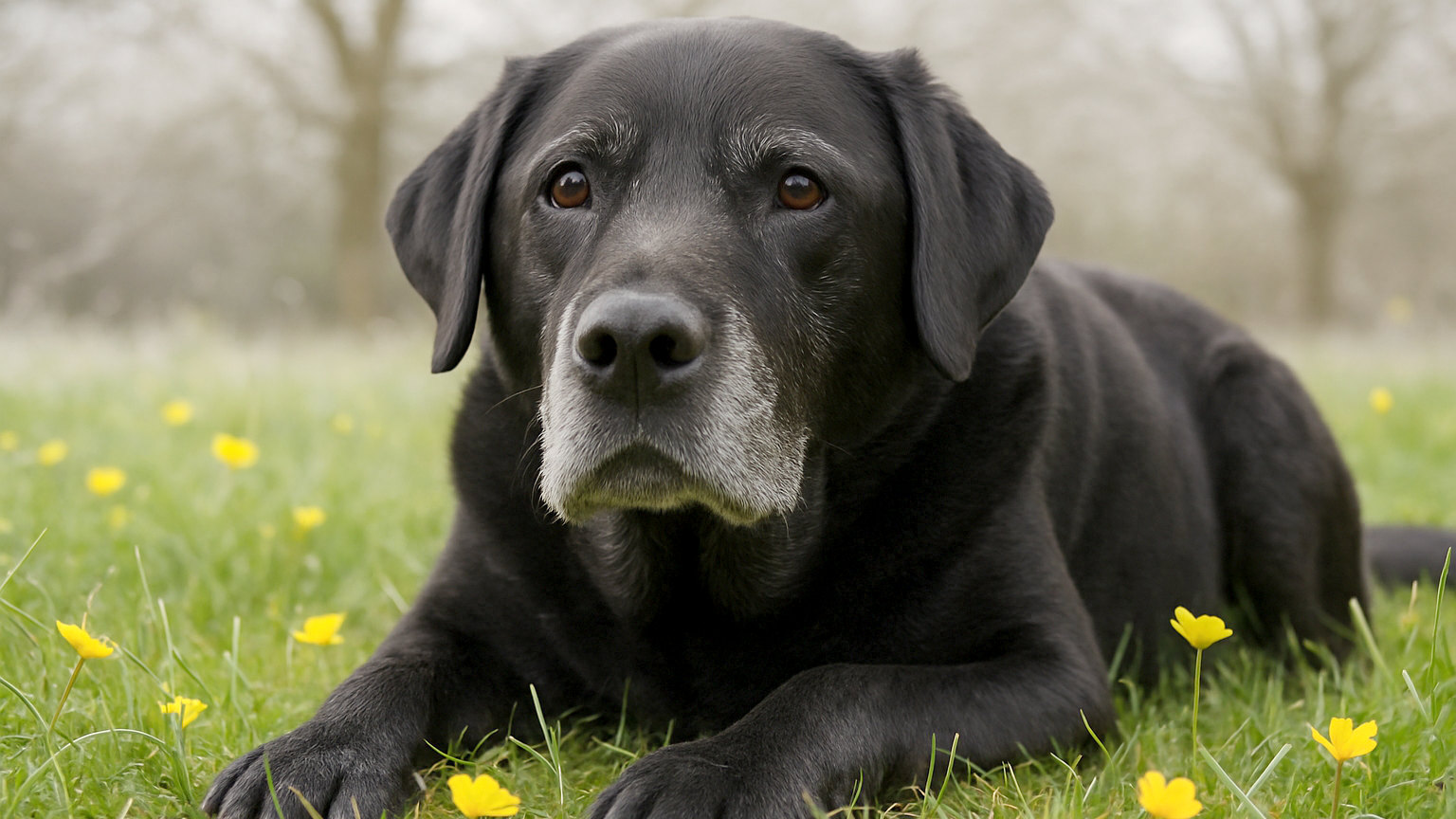
A blue-grey haze developing in the lens of both eyes from around seven or eight is usually nuclear sclerosis, a normal age change.
It affects vision only mildly, particularly close focus, and does not require treatment. Many owners mistake it for cataracts.
Cataracts look denser and more opaque and do genuinely impair sight. The distinction is difficult at home, so any cloudiness is worth a veterinary opinion.
What causes sight loss?
Cataracts, which may be age-related, inherited or caused by diabetes. Diabetic cataracts develop rapidly, sometimes within weeks.
Progressive retinal atrophy, an inherited degeneration that is painless and gradual, with night vision usually affected first.
Glaucoma, which is painful and needs urgent treatment. High blood pressure causing retinal detachment, which produces sudden blindness and is often treatable if caught quickly.
What are the early signs?
Bumping into things, particularly in dim light or unfamiliar places. Hesitating at steps or kerbs. Reluctance to go out at night.
Becoming startled more easily, misjudging thrown toys, staying closer to you on walks, and a change in confidence generally.
Cloudiness, redness, squinting or a visibly enlarged eye all warrant prompt veterinary attention.
When is it urgent?
Sudden blindness is always urgent. Causes include retinal detachment from high blood pressure, glaucoma and inflammation, several of which are treatable if addressed quickly.
A painful eye, meaning squinting, redness, tearing or the dog rubbing at it, needs seeing the same day.
What adaptations help most?
Keep furniture exactly where it is. This is the single most useful thing you can do, since dogs navigate familiar spaces from memory.
Use textured mats or runners at key points such as the top of stairs, the door to the garden and beside the water bowl, giving underfoot landmarks.
Block stairs with gates, pad sharp corners, and keep the garden layout consistent. Scent can help: a drop of a distinct essential oil on a doorframe, well out of reach, gives a marker.
How should you change how you interact?
Speak before touching, always, to avoid startling. Say the dog's name as you approach.
Use verbal cues consistently: step, kerb, wait, careful. Dogs learn these quickly and they genuinely help.
Keep the dog on a lead in unfamiliar places, and consider a harness with a sleeve indicating the dog cannot see, which prompts others to approach considerately.
How well do dogs cope?
Generally very well, particularly where loss is gradual. Owners are frequently more distressed than the dog.
Maintain walks, sniffing opportunities and mental stimulation, since scent work is unaffected and becomes more valuable. A blind dog that is otherwise well can have an entirely good quality of life.
Can anything be treated?
Sometimes, which is why prompt assessment matters rather than assuming decline is inevitable.
Cataracts can be removed surgically in suitable dogs, restoring useful vision, and this is frequently done in diabetic dogs.
Glaucoma needs urgent treatment to control pressure and relieve pain. Retinal detachment from high blood pressure can sometimes be reversed if treated quickly.
Progressive retinal atrophy has no treatment, though knowing the diagnosis helps you plan and adapt.
What about walks?
Keep them going. Sniffing is unaffected and becomes more valuable, and familiar routes give a blind dog confidence.
Use a harness rather than a collar for better guidance, and consider a lead sleeve indicating the dog cannot see so others approach considerately.
How do you introduce changes?
Gradually and while the dog still has some sight, which makes learning new cues far easier.
Teach verbal words for step, kerb and wait before they are needed. Practise the routes around the house and garden while the dog can still see them.
Once sight is lost, keep everything consistent and accept that the first few weeks involve bumping into things while the dog builds its map.