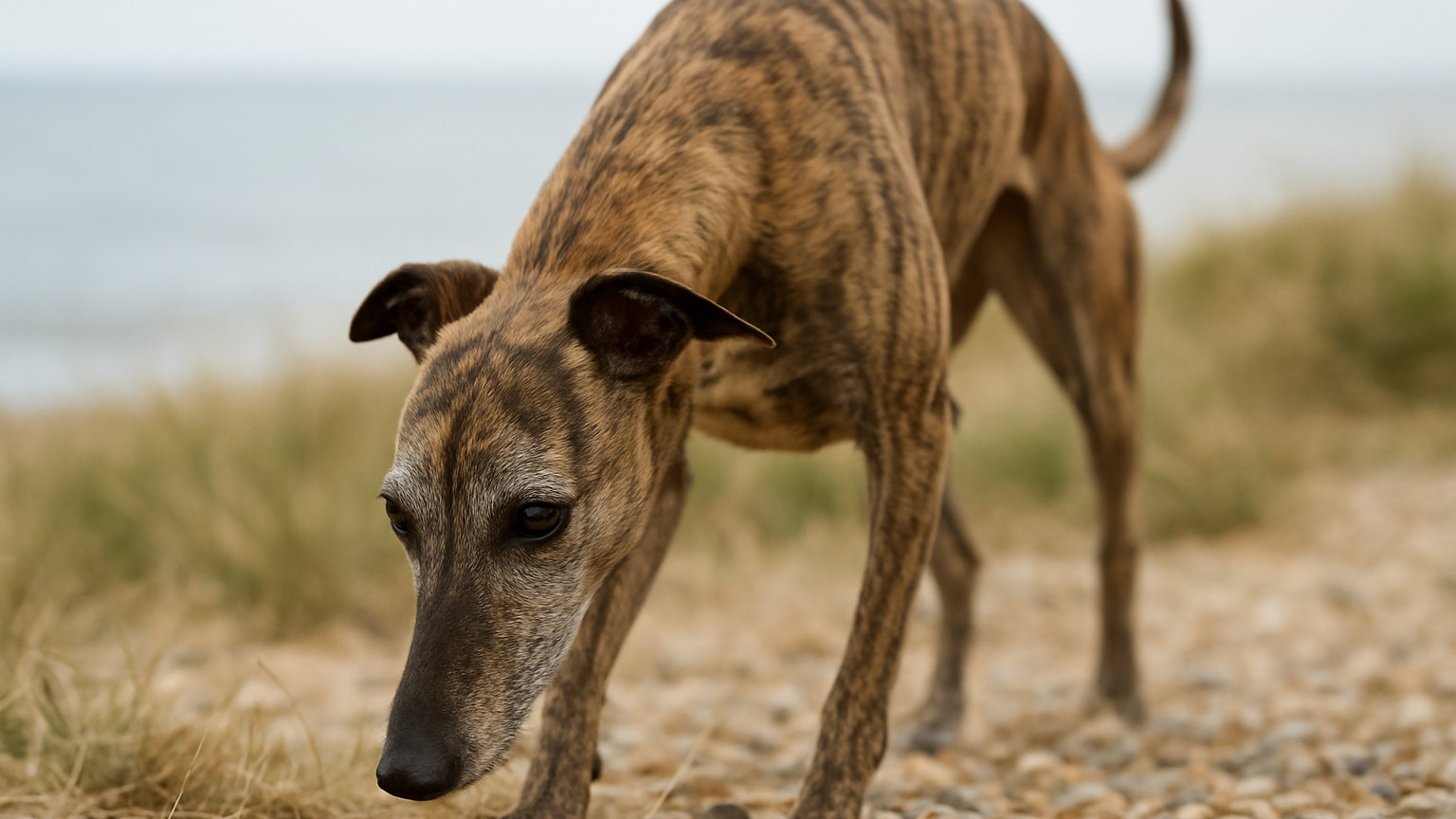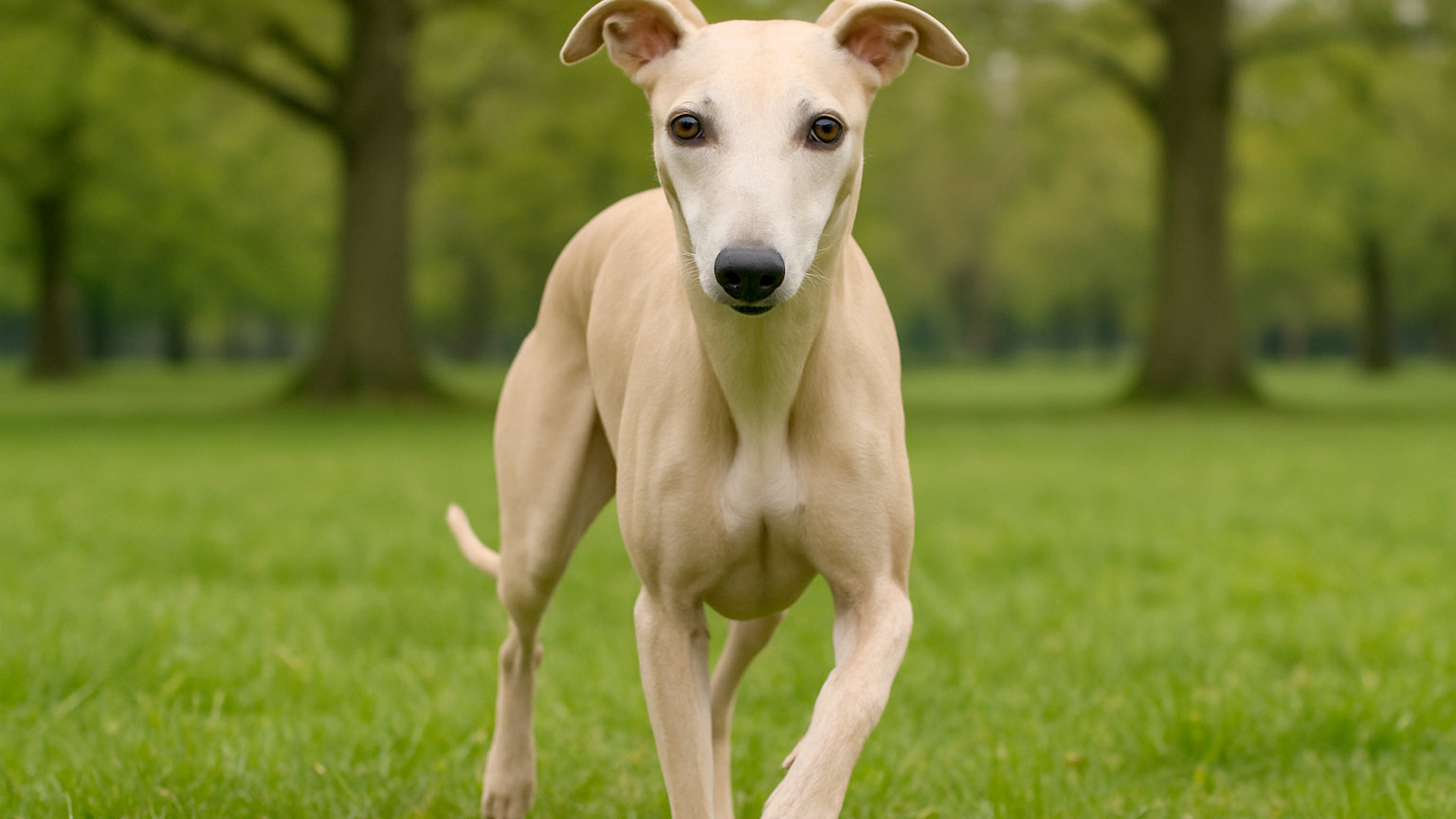
Hearing loss is very common in older dogs and frequently goes unrecognised, since owners assume the dog is ignoring them.
How do you know?
The classic signs are not responding to their name, sleeping through noises that would previously have woken them, and being startled when approached from behind.
Not coming when called, particularly outdoors. Barking more loudly than before, or in some cases barking less. Not reacting to the doorbell, the lead being picked up or food being prepared.
A simple test is making a noise out of sight and downwind, such as clapping or jangling keys, and watching for a response. Avoid anything creating vibration or air movement, which the dog may feel rather than hear.
What causes it?
In older dogs, gradual age-related degeneration, which is the most common form and typically affects both ears.
Chronic ear infections causing damage, wax build-up which is reversible, some medications, and injury. Congenital deafness affects some breeds, particularly those with white coats and merle patterns.
A veterinary examination is worthwhile, since some causes such as wax or infection are treatable.
How do you communicate?
Hand signals, which most dogs learn readily. Start while the dog can still hear, pairing a signal with each verbal cue it already knows, then drop the word.
Common signals: a flat palm raised for sit or wait, a beckoning motion for come, a hand lowered for down. Consistency matters more than which gesture you choose.
Use a thumbs-up or an open hand as a marker replacing verbal praise, followed by a treat. Everyone in the household should use the same signals.
How do you get the dog's attention?
Stamp on the floor, which creates a vibration most dogs feel. Wave a hand within their field of vision, or use a torch at night.
A vibration collar, which buzzes without any shock, is a genuinely useful tool for a deaf dog and is quite different from a shock collar. Introduce it positively so the vibration means look at me.
Never use a device that delivers a shock.
How do you avoid startling the dog?
Approach within sight where possible. If you must approach from behind, stamp first so the dog feels you coming.
Touch gently on the shoulder rather than the head, and wake a sleeping deaf dog carefully by placing a hand near its nose so it smells you before contact.
Startle-related snapping is common in deaf dogs and is a fright response rather than aggression. Teach children this explicitly.
How do you keep a deaf dog safe?
Keep it on a lead near roads without exception, since a deaf dog cannot hear traffic or a recall. A long line in open spaces gives freedom with control.
Secure fencing matters, since you cannot call the dog back. A tag stating the dog is deaf helps if it is ever lost.
Check regularly that the dog can see you when off lead, since deaf dogs rely on visual contact and can become anxious if they lose sight of their person.
How well do dogs adapt?
Very well. Deafness causes dogs far less distress than owners expect, and a deaf dog that has learned hand signals functions almost normally.
What about other dogs in the household?
Deaf dogs sometimes miss the signals other dogs give, particularly the subtle vocal ones, which can cause friction.
Most dogs adjust and communicate more visually with a deaf companion. Supervise interactions initially and give the deaf dog somewhere undisturbed to rest.
A deaf dog also cannot hear another approaching from behind, so make sure it has a bed positioned where it can see the room rather than facing a wall.
How do you handle visitors and other dogs outdoors?
Tell people the dog is deaf, since they will otherwise interpret a lack of response as unfriendliness and may approach in ways that startle it.
A harness or lead sleeve stating that the dog is deaf prompts others to give space and approach from the front.
Watch approaching dogs on your dog's behalf, since it cannot hear one coming up behind and may react defensively when surprised.