Families with teenagers occupy a genuinely different position from those with small children. The physical fragility problem disappears, the supervision burden reduces, and a much wider range of breeds becomes realistic.
What changes with older children?
The main risks with toddlers are a child hurting a dog accidentally and a dog knocking a child over. Neither applies in the same way once children are eleven or twelve.
Teenagers can also learn to read canine body language properly, follow rules consistently and take part in training. That turns them from a hazard to be managed into a genuine asset.
What replaces those risks is a different one: the dog was frequently promised to a child who then becomes busier every year.
Which breeds open up?
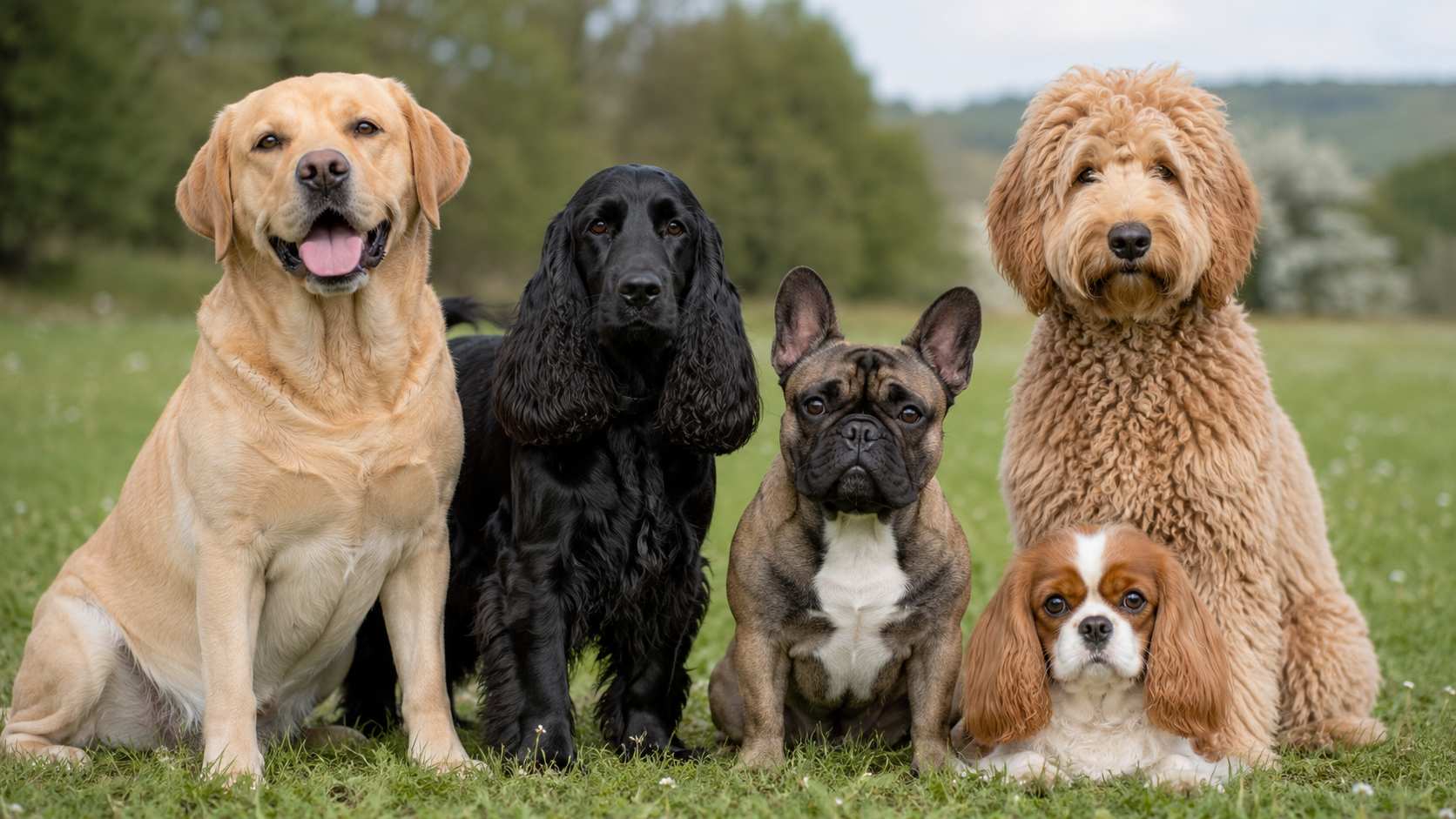
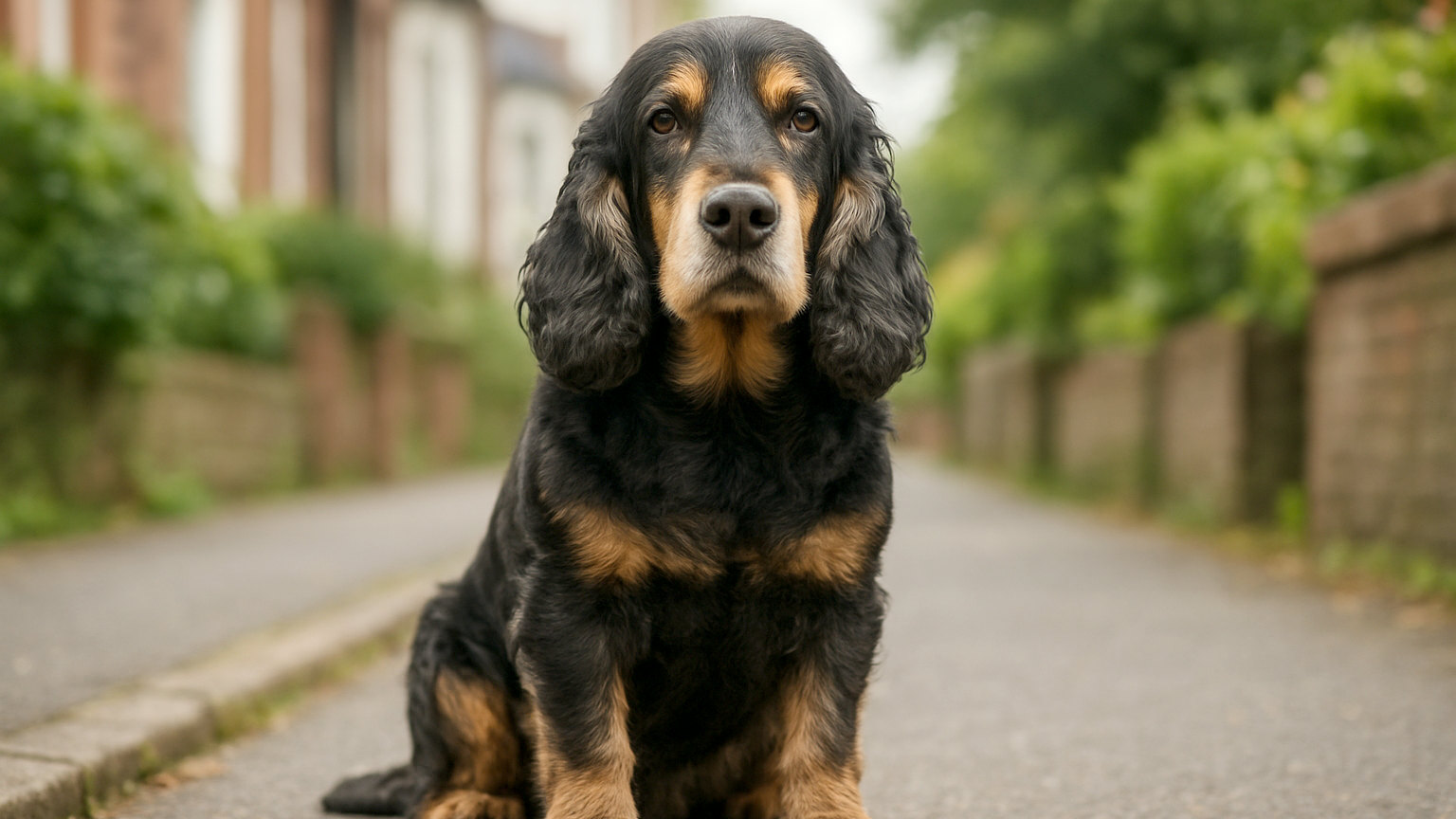
Active, trainable breeds that would be too much for a household with toddlers. Border Collies, Springer Spaniels, working Cockers and Standard Poodles all thrive with teenagers who will walk and train them.
Larger breeds become more practical too. Labradors, Golden Retrievers, Rottweilers and Boxers all suit families where nobody can be knocked flat.
Terriers such as Border Terriers and Jack Russells work well with older children who find their character entertaining rather than frustrating.
What should families still avoid?
Breeds whose demands exceed what the household will realistically provide once the novelty passes. A working-line Springer needs two hours a day whether or not there is an exam next week.
Breeds with significant guarding instincts need continued socialisation through the dog's adolescence, which requires adult commitment rather than teenage enthusiasm.
Very short-lived giant breeds are worth thinking about carefully, since losing a dog during a teenager's exam years is a real consideration.
How do you stop the dog becoming your job?
Assume from the outset that it will be, and choose accordingly. Every rescue centre has heard the promise that the children will look after it, and the dogs still end up being walked by a parent.
That does not mean teenagers cannot help. It means the breed should be one the adults are happy to manage alone, with any teenage involvement treated as a bonus.
Setting a specific, written division of tasks helps more than a general agreement. Named jobs on named days are harder to forget than a vague promise to help.
What can teenagers genuinely take on?
Training is the most valuable, and often the most rewarding. A teenager who takes a dog through a reward-based class builds a real relationship and learns skills that stick.
Dog sports suit this age group particularly well. Agility, flyball, scent work and canicross all give a teenager something to be good at alongside the dog.
Daily walks, feeding, grooming and cleaning up are all reasonable responsibilities, provided an adult checks they have happened rather than assuming.
What about the years ahead?
This is the part most often overlooked. A dog acquired when a child is thirteen will still be there when they leave home, and the adults will be walking it alone.
Most dogs live ten to fifteen years. Choose a breed that suits the household you will have in five years rather than only the one you have now.
If the driving reason for getting a dog is a teenager's enthusiasm, that is worth examining honestly, because enthusiasm at fourteen is not a reliable guide to availability at seventeen.
Does a rescue dog make sense here?
Frequently, yes. Adolescent dogs of eighteen months to three years fill rescue centres, are past the destructive stage, and match the energy of a household with teenagers well.
Centres will tell you honestly which of their dogs suit families with older children, and the dog's temperament is visible rather than predicted.
What about the child leaving home?
Worth planning for rather than discovering. A dog acquired when a child is fourteen will still be there when they go to university, and dogs do notice the absence of someone they were closely bonded to.
Most adjust within a few weeks provided the rest of the routine holds steady. Keeping walks, meals and sleeping arrangements consistent through the change matters more than anything else.
The practical point is that the adults inherit the dog entirely, which is another reason to choose a breed they were happy to manage from the start.