Most breed advice assumes families want a moderate dog that fits around a busy life. For households who genuinely spend weekends walking, that advice points in the wrong direction, and a wider range of breeds becomes appropriate.
Which breeds genuinely enjoy long distances?
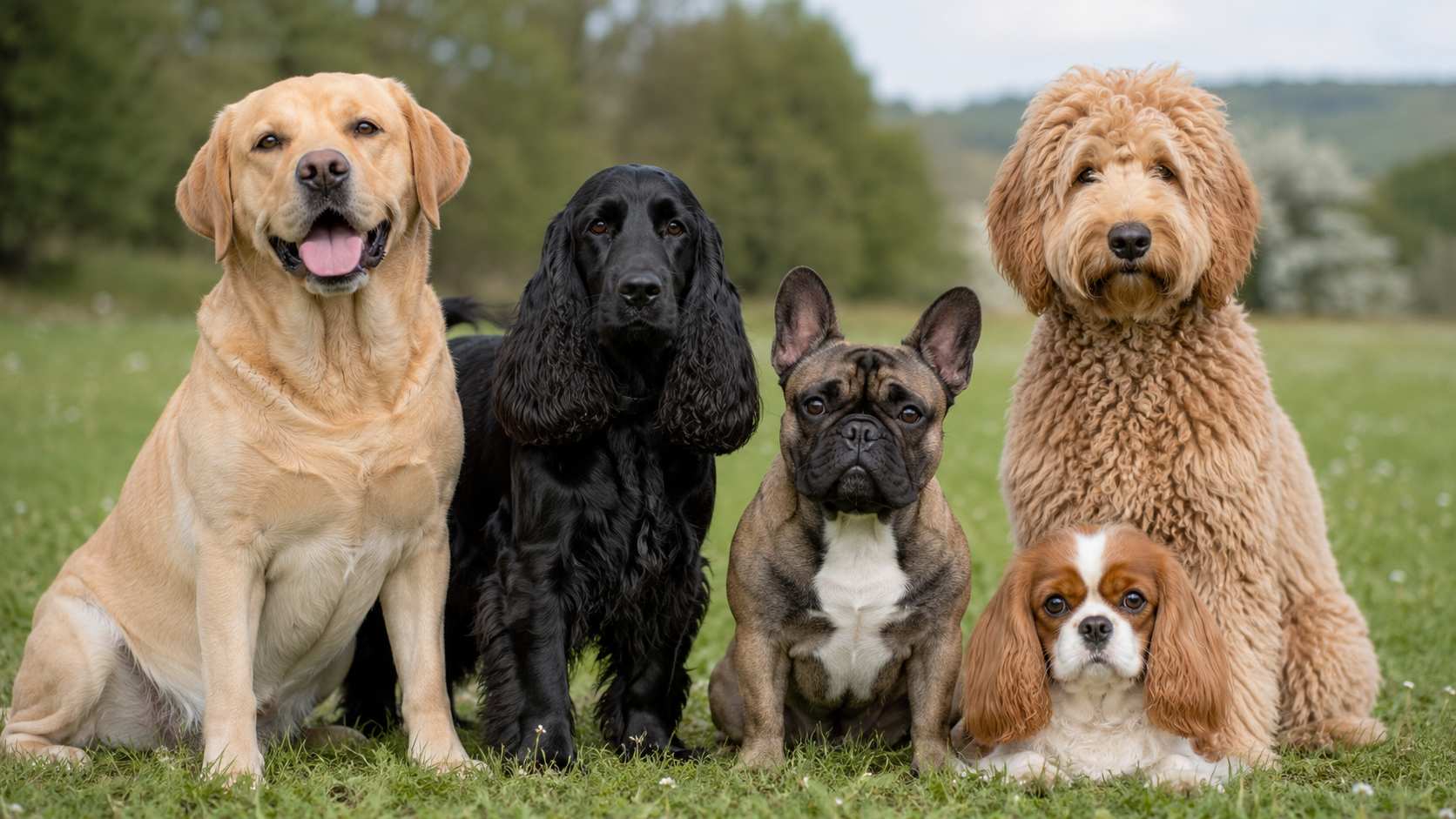
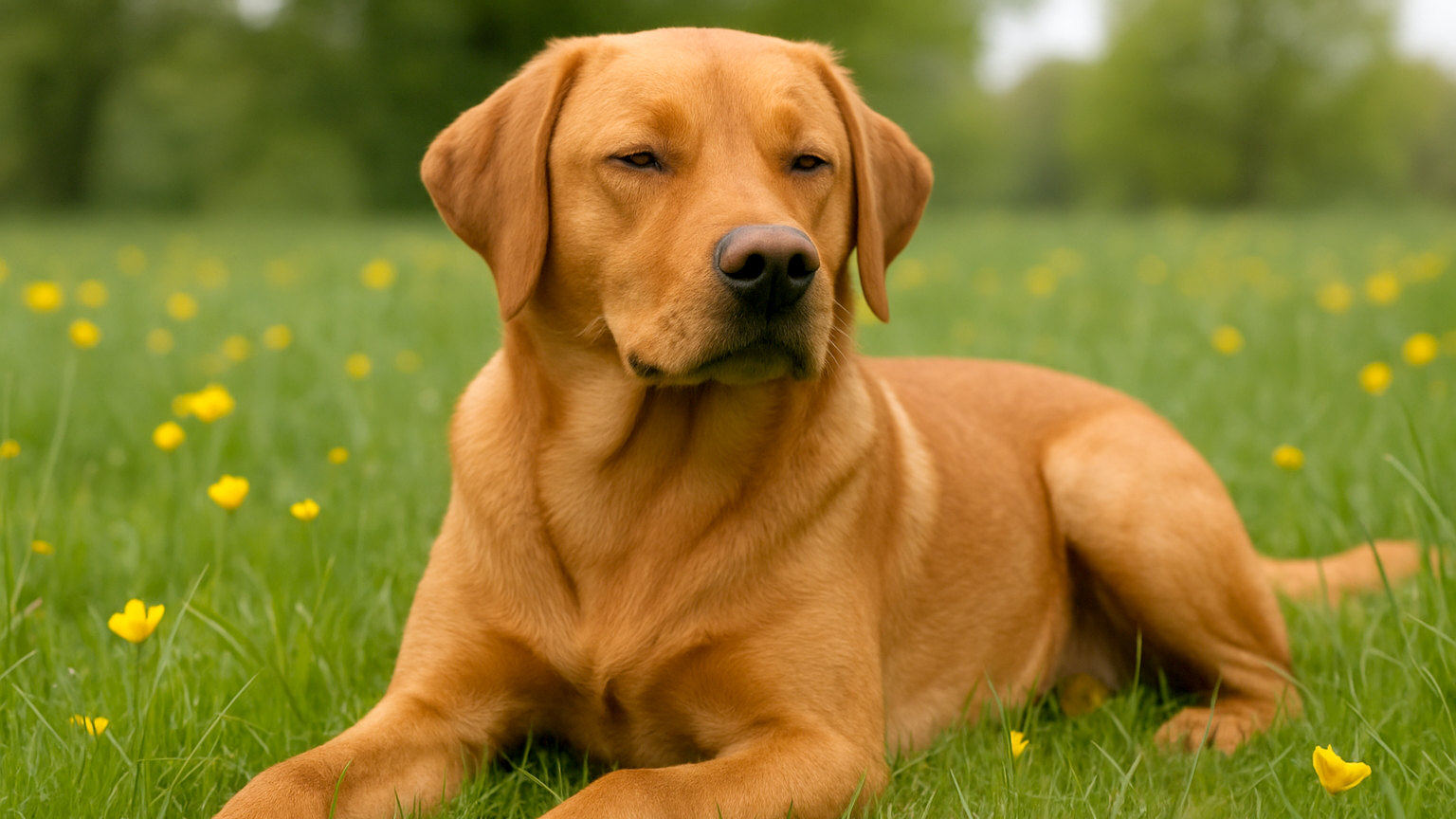
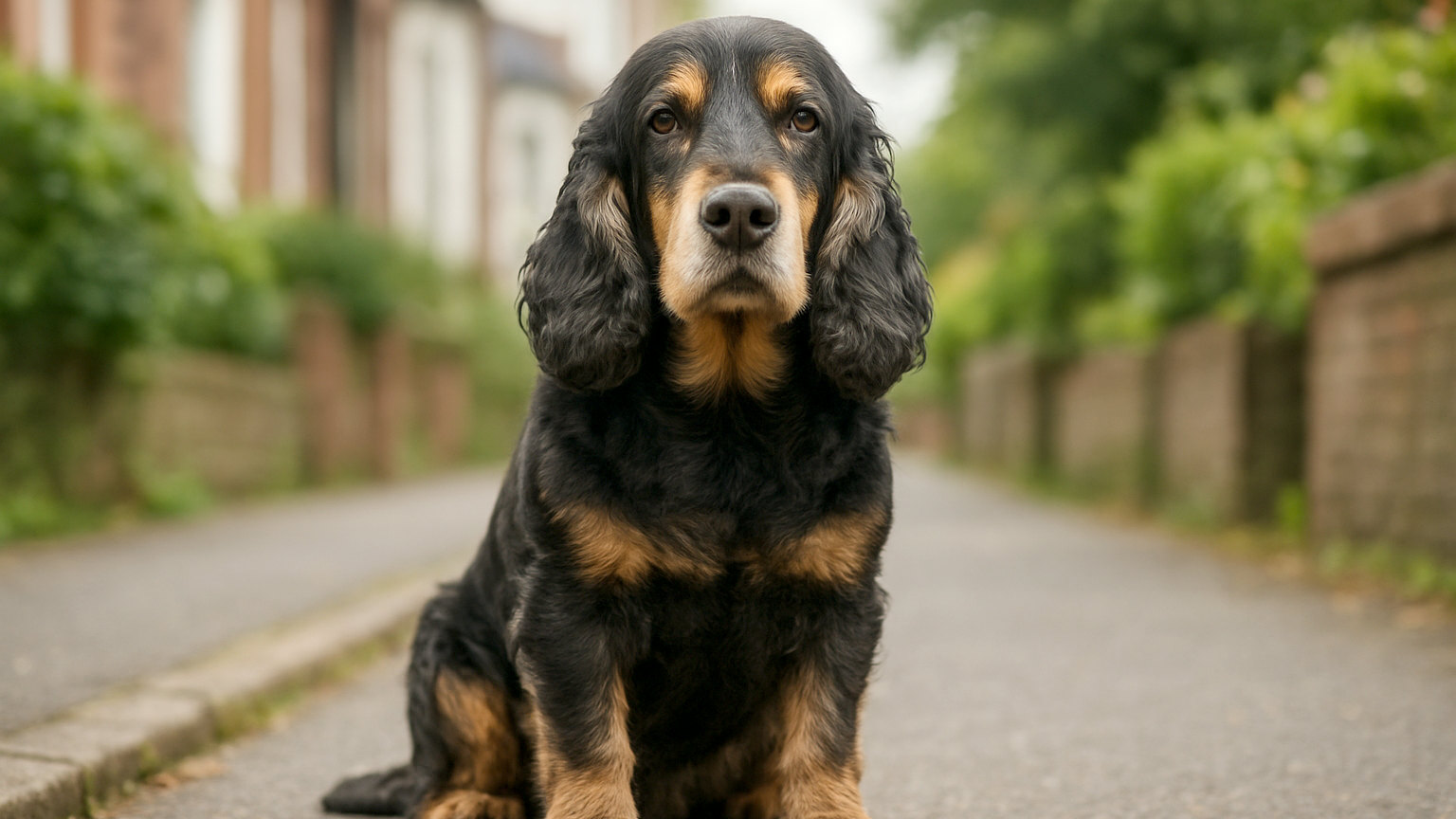
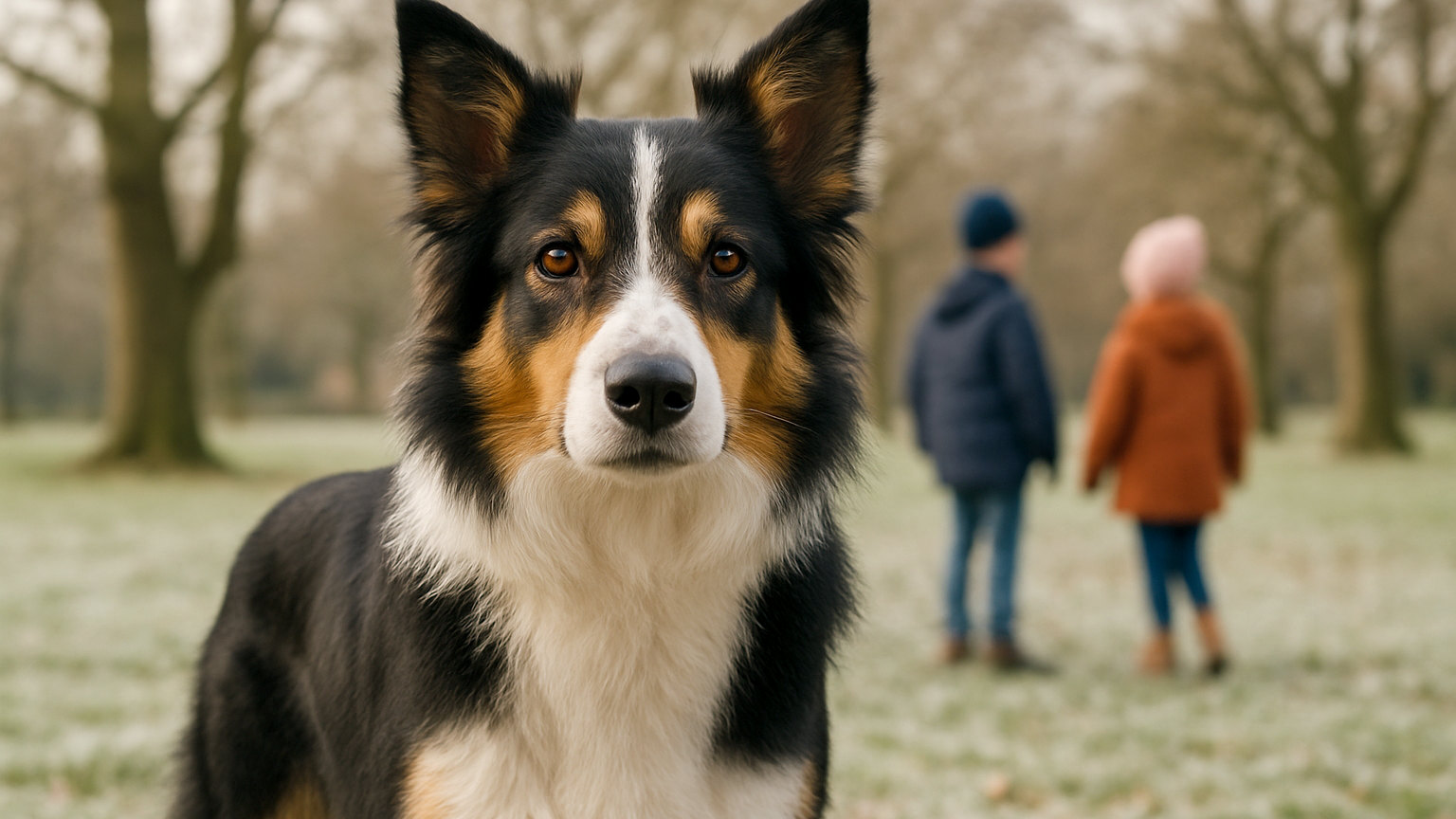
Working gundogs and herding breeds. English Springer Spaniels, working Cockers, Labradors from working lines, Border Collies, Australian Shepherds and German Shorthaired Pointers all have real stamina.
Vizslas and Weimaraners are built for sustained work and suit running well. Rhodesian Ridgebacks are strong distance dogs. Standard Poodles are frequently overlooked but are athletic and highly trainable.
Border Terriers and other working terriers punch well above their size and will keep going all day.
Which breeds should not do long distances?
Flat-faced breeds, without exception. Bulldogs, French Bulldogs and Pugs cannot cool themselves efficiently and are at genuine risk of heatstroke on a long walk in mild weather, let alone warm.
Giant breeds should not be doing sustained distance either, particularly while growing. The joint loading is substantial and lifespan is already short.
Long-backed breeds such as Dachshunds and Basset Hounds are not built for it. Sighthounds including Whippets and Greyhounds are sprinters rather than endurance dogs and tire on a long hike despite their athletic appearance.
When can a dog start doing long walks?
Later than most people expect. Growth plates remain open until around twelve to fifteen months in medium and large breeds and eighteen months or more in giants.
Forced repetitive exercise before then contributes to joint disease that shows up years later. Restrict a growing puppy to roughly five minutes per month of age twice daily of structured walking, and fill the gap with training and scent games.
Build distance gradually once mature rather than jumping straight to a full day.
What about running with a dog?
Wait until the dog is fully grown, then build up slowly exactly as a person would. Dogs will keep going past the point of sensible fatigue to stay with their owner, so the human has to manage the distance.
Run on softer surfaces where possible, since repeated road running is hard on joints and pads. Avoid warm weather entirely and carry water.
Canicross, where the dog runs in a harness attached to a waist belt, is more comfortable for both and is a good family activity for older children.
What should you check before a long day out?
Weather first. Dogs overheat far more readily than people, and heatstroke is a genuine risk on a warm hike. Walk early, carry water and know what overheating looks like.
Check paws before and after for cuts, cracks and grass seeds between the toes. Hot tarmac and sharp rock both cause damage that is easy to miss.
Around livestock, keep the dog on a lead. Livestock worrying is a criminal offence and farmers may legally shoot a dog worrying stock.
What does the family gain?
A dog with a job, which is the single best predictor of good behaviour in a working breed. Families who walk seriously can keep breeds that end up in rescue from less active homes.
Children also benefit. Walking with a dog gets reluctant children outside far more reliably than walking without one.
What is worth being honest about?
Whether the activity is genuinely weekly or seasonal. A dog that gets a five hour hike on Sunday and twenty minutes on weekdays is not an exercised dog, and working breeds need consistency rather than intensity.
If most weeks are ordinary, choose a moderate breed and treat the big walks as a bonus.
How do you build a dog up to that level?
Gradually, exactly as a person would. Increase distance by roughly ten per cent a week rather than jumping to a full day out, and watch for stiffness the following morning.
Condition the paws too. Pads toughen with regular use on varied surfaces, and a dog that only walks on grass will suffer on rock or hot pavement.
Build in rest days. A dog that works hard every single day without recovery is more likely to pick up soft tissue injuries, and older dogs need longer to recover than they did at three.