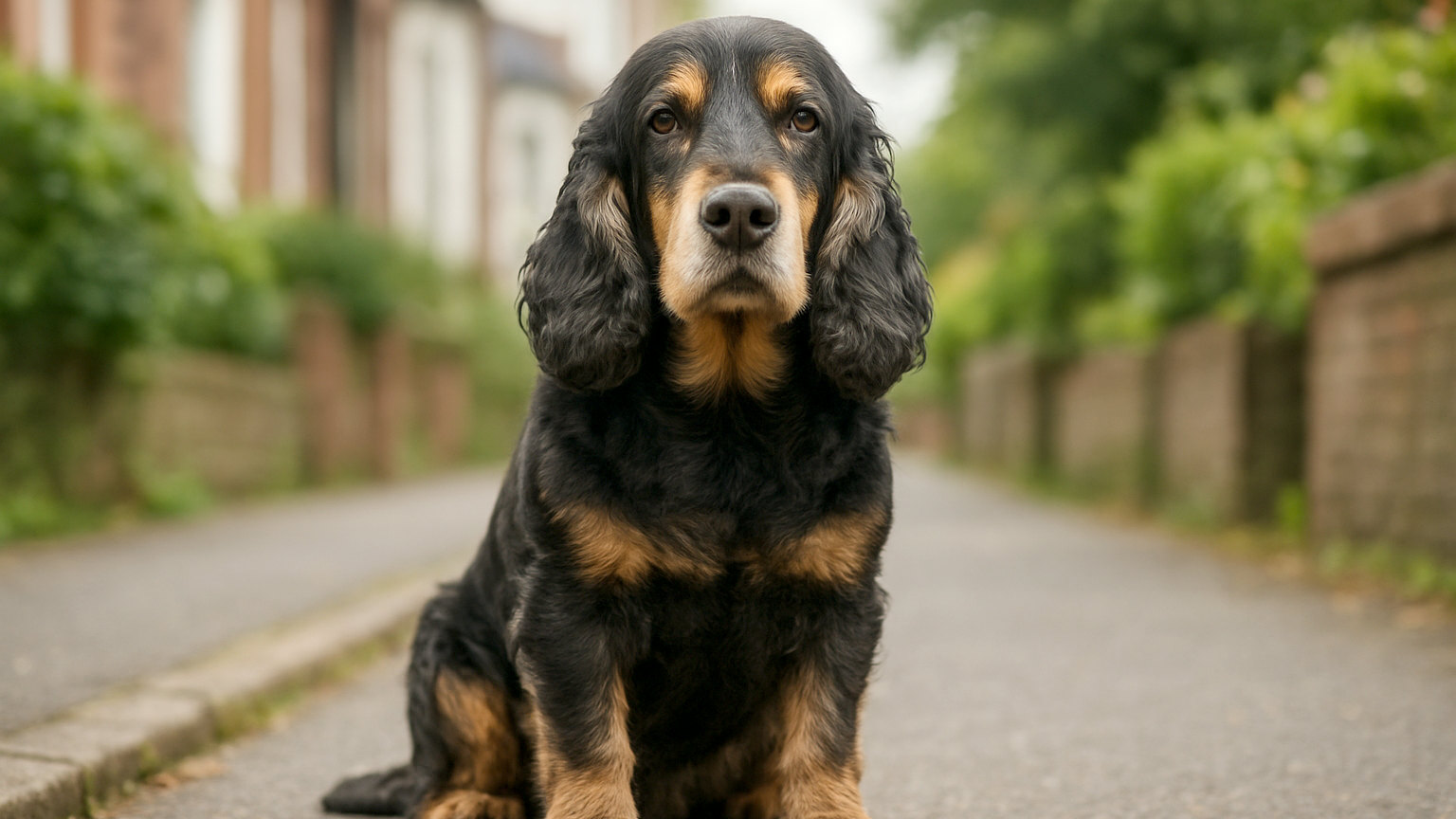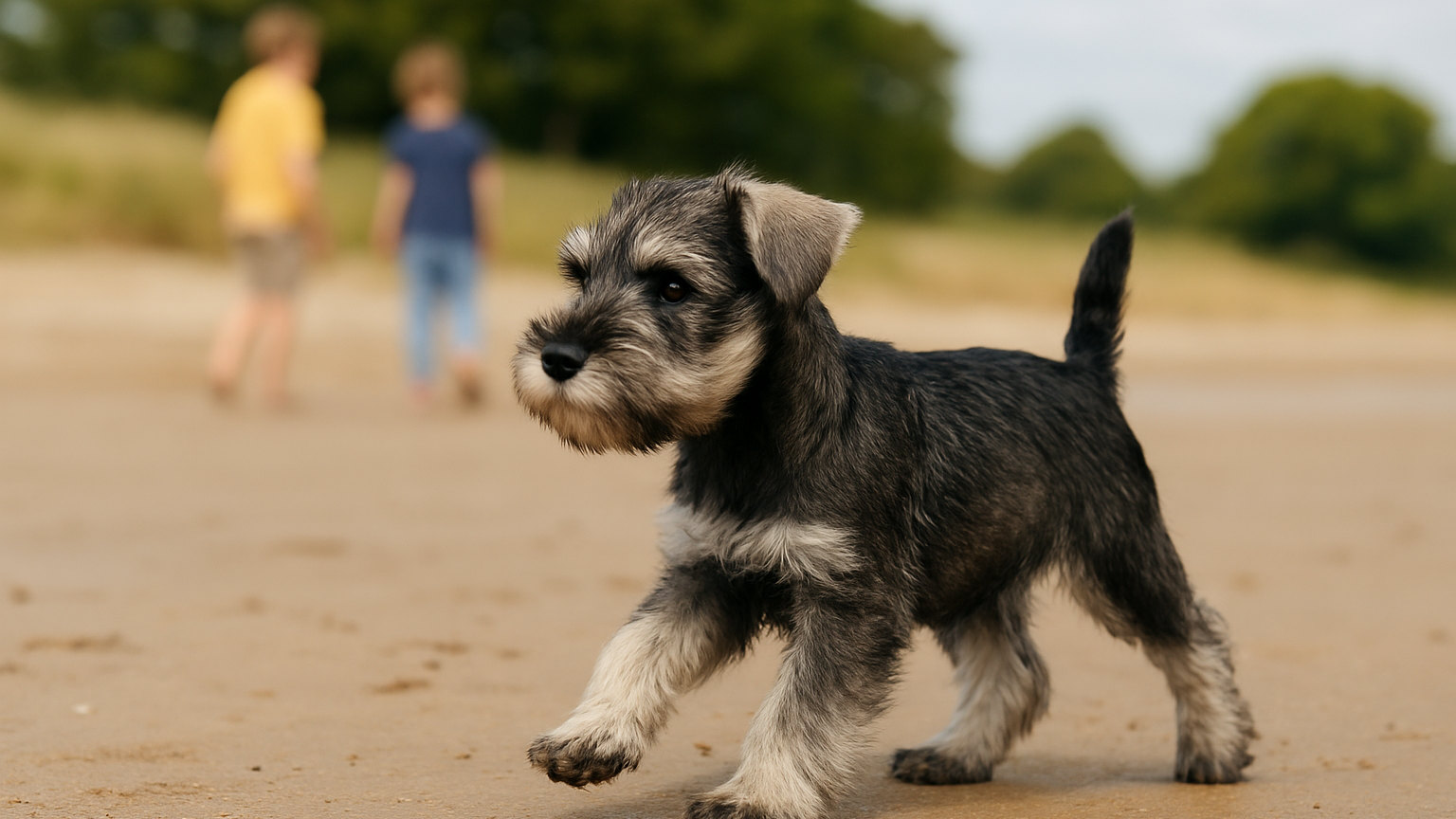
Family homes are loud. Children shout, doors slam, televisions run, toys make noise and people come and go constantly. Some dogs barely register any of it, and others live in a state of low-level stress that shows up as behaviour problems.
Why does noise sensitivity matter?
Because a dog that finds its home environment stressful has nowhere to recover. Chronic stress lowers the threshold for every other reaction, so a noise-sensitive dog is more likely to snap when startled, less able to settle, and harder to train.
It is also frequently misread. A dog that hides, paces, barks or becomes clingy is often described as anxious or badly behaved when the actual driver is sound.
Which breeds cope well?
Robust, sociable breeds with high startle thresholds. Labradors and Golden Retrievers were bred to work near gunfire and are generally unbothered by household noise.
Staffordshire Bull Terriers, Bulldogs and Pugs are typically resilient. Greyhounds and Whippets are quiet dogs that generally ignore noise, provided they have an undisturbed place to sleep.
Cavalier King Charles Spaniels, Bichon Frise and Havanese are people-focused and adaptable, and most cope well with a busy home.
Which breeds are more sensitive?
Herding breeds in particular. Border Collies, Shetland Sheepdogs, Australian Shepherds and Bearded Collies are frequently noise sensitive, and the same alertness that makes them exceptional working dogs makes them reactive to sudden sound.
Sound phobia is well documented in Border Collies specifically, and a chaotic household can be genuinely difficult for them.
Many terriers react to noise by barking rather than by becoming distressed, which is a different problem but still a consideration in a terraced house.
Is it breed or individual?
Both. There is a clear breed pattern, but individual variation is large and early experience matters enormously.
Puppies exposed calmly to household noise before sixteen weeks generally cope far better as adults. Puppies raised in a quiet kennel and moved into a busy family home at eight weeks have a much harder adjustment.
Ask breeders whether puppies have been raised indoors around normal household sounds. It is one of the more useful questions and rarely asked.
How do you help a noise-sensitive dog?
Give it somewhere genuinely quiet that nobody disturbs, ideally away from the front door and the busiest route through the house. A covered crate or a bed in a spare room works well.
Do not force the dog to face the noise. Allowing it to retreat is not reinforcing fear; it is letting the dog cope. Comforting a frightened dog is also fine and does not make the fear worse.
Background sound such as a radio can mask sudden noises. Predictable routine reduces the general level of arousal, which raises the threshold for everything else.
What about fireworks and thunder?
These affect a large proportion of dogs regardless of breed. Prepare in advance rather than on the night: create a den, close curtains, mask sound, and keep the dog indoors.
Long-term desensitisation using recordings played at very low volume alongside something enjoyable genuinely works, but it takes months and must start well before the season.
For severe cases, speak to a vet. Medication is appropriate for some dogs and is far better than an animal enduring genuine panic each year.
When should you get help?
If a dog is consistently hiding, trembling, refusing food, destroying doorways or unable to settle, that is beyond normal caution and worth investigating.
A sudden onset of noise sensitivity in an older dog can indicate pain, and this is a common and often missed link. A veterinary check should come before any behavioural work.
Can noise tolerance be improved?
To a degree, and it is worth doing rather than accepting. Gradual exposure at very low volume, paired with food or play, genuinely reduces sensitivity over time.
The essential principle is staying below the level that produces a reaction. Working at a volume the dog finds frightening rehearses the fear rather than reducing it, which is why simply exposing a dog to the noise does not work.
Progress is measured in months rather than weeks, and it is far easier with a young dog than after a phobia is established.