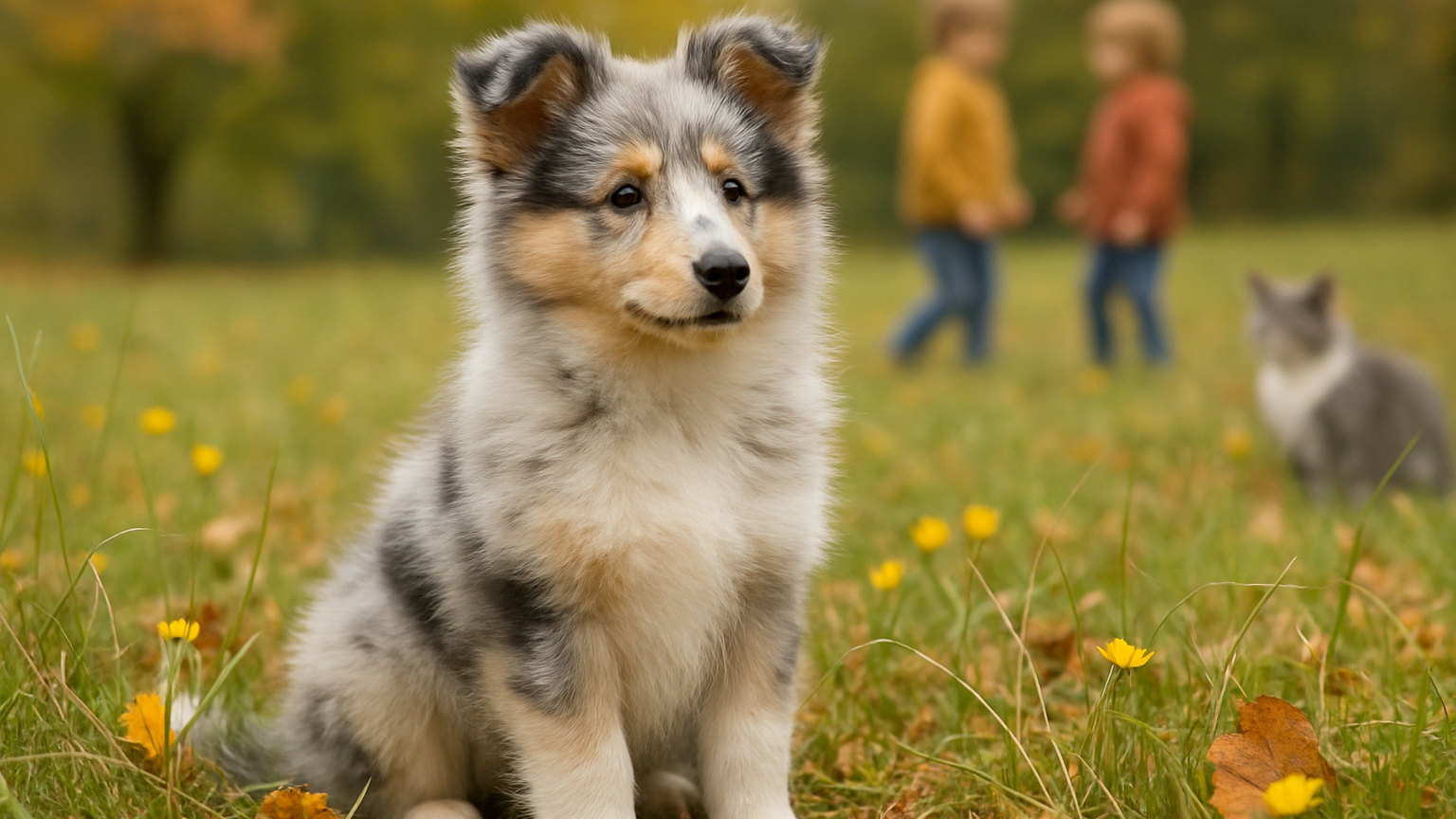
Plenty of households contain a contented dog and cat. Plenty of others contain a permanently stressed cat and an owner who did not realise how much the breed choice mattered.
What actually determines whether it works?
Prey drive, mostly. A dog bred to chase small fast-moving animals will find a running cat genuinely compelling, and that has nothing to do with whether the dog is friendly.
The second factor is individual history. A dog raised with cats from puppyhood generally accepts them as part of the furniture. A dog that has never met one at three years old is a different proposition.
Breed narrows the odds. It does not decide the outcome for any particular dog.
Which breeds usually do well?
Retrievers are frequently the easiest. Labradors and Golden Retrievers were bred to carry game gently and generally have low prey drive towards cats, particularly if raised alongside them.
Cavalier King Charles Spaniels, Bichon Frise, Havanese, Pugs and Bulldogs are companion breeds with little chase instinct. Newfoundlands and Bernese Mountain Dogs are typically placid.
Many Poodle crosses do well, and Basset Hounds, though scent hounds, are usually too slow and steady to be a serious threat.
Which breeds are more difficult?
Terriers, which were specifically bred to kill small animals. Jack Russells, Patterdales, Border Terriers and similar breeds have strong, fast prey drive, and expecting reliable restraint is optimistic.
Sighthounds including Greyhounds, Whippets, Salukis and Lurchers are built to chase. Many live happily with cats, but this needs testing rather than assuming, and rescue centres specifically assess Greyhounds for cat tolerance.
Herding breeds may chase and try to control a moving cat rather than hunt it, which is still stressful for the cat. Huskies and other northern breeds generally have very high prey drive.
How should you introduce them?
Slowly, over weeks rather than days. Start with complete separation and swap bedding between them so each becomes familiar with the other's scent before meeting.
Use a barrier such as a stair gate for the first visual introductions, keeping sessions short and calm and rewarding the dog for looking away from the cat rather than staring.
Progress to the dog on a lead in the same room, with the cat free to leave. Never hold the cat or force proximity, and never let the dog chase even once, since a single successful chase is highly reinforcing.
What does the cat need?
Escape routes and high places, in every room where the two will meet. Cats feel secure when they can get above a dog, and a cat with nowhere to retreat is a cat under chronic stress.
Keep food, water and litter trays somewhere the dog cannot reach, ideally behind a cat flap or gate. Many dogs raid litter trays, which is unpleasant and stressful for the cat.
A stressed cat may stop using the tray, over-groom or stop eating, and these signs are easy to miss.
Should a cat or dog come first?
A puppy joining a household with a confident resident cat is usually the easiest combination, since the cat establishes boundaries early and the puppy learns them.
An adult dog of unknown history joining a home with cats needs careful assessment. Ask a rescue centre specifically whether the dog has been cat tested, as many have.
When should you not try?
If a dog has a history of chasing or harming cats or other small animals, or shows intense fixation that does not reduce with training. Some dogs cannot safely live with cats, and management indefinitely is unfair on everyone.
Never leave a dog and cat unsupervised together until the relationship is genuinely established, and even then be cautious with high prey drive breeds.
What if it is not working?
Go back a stage rather than pushing on. If the dog cannot settle with the cat behind a gate, it is not ready to share a room, and progressing too quickly is the most common reason introductions fail.
Watch the cat as closely as the dog. A cat that stops eating, hides constantly, over-grooms or stops using its tray is telling you the arrangement is not working even if nothing dramatic has happened.
Where progress stalls, a behaviourist registered with the Animal Behaviour and Training Council can assess whether the situation is workable before it becomes entrenched.