Allergies are one of the most common reasons families narrow their breed search, and the advice they receive is frequently misleading. Understanding what actually causes the reaction changes how you approach the decision.
What causes a dog allergy?
Not hair. The allergens are proteins found mainly in dander, which is shed skin, along with saliva and urine. Hair carries these around the house but is not itself the problem.
This is why no dog is truly hypoallergenic. Every dog produces dander and saliva, whatever its coat.
What varies is how much allergen ends up circulating in the air and settling on furniture, and there a low-shedding coat genuinely helps by trapping dander rather than distributing it.
Which breeds are usually recommended?
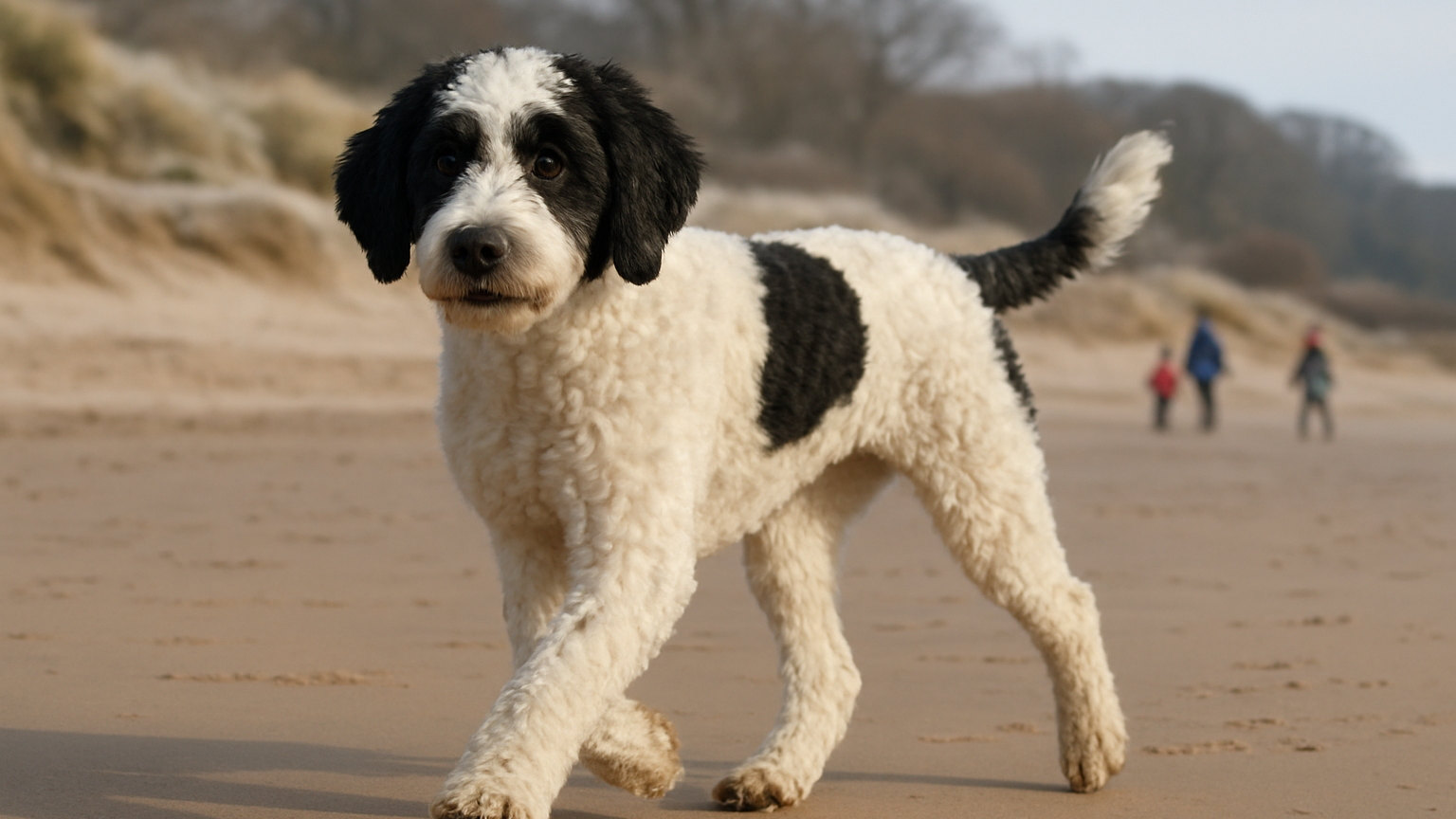
Poodles in all three sizes are the benchmark, with curly coats that hold loose hair rather than dropping it. Bichon Frise, Maltese, Havanese, Coton de Tulear and Portuguese Water Dogs are similar.
Schnauzers in all sizes have wiry coats that shed very little. Soft Coated Wheaten Terriers, Lagotto Romagnolo and Bedlington Terriers are also frequently suggested.
Among crossbreeds, Cockapoos, Cavapoos and Labradoodles often shed lightly, but this is genuinely unpredictable. Coat type varies within a single litter, and a puppy can inherit the shedding parent's coat entirely.
How do you test whether a dog will suit you?
Spend extended time with the specific animal rather than the breed, and do it more than once. Reactions vary between individual dogs of the same breed, and a short visit may not trigger symptoms that build over hours.
Ideally visit the breeder or foster home several times, and spend time in the room where the dog sleeps rather than in a hallway.
Do not rely on having been fine with a friend's Poodle. That tells you about that dog rather than about the breed.
What else reduces exposure?
Practical measures make a substantial difference. Keep the dog out of bedrooms, particularly the allergic person's, since hours of overnight exposure matter more than anything else.
Hard flooring rather than carpet reduces the reservoir of dander considerably. Wash bedding frequently and use a vacuum with a HEPA filter. An air purifier in the main living space helps some households.
Regular grooming, ideally done by someone without the allergy and outdoors where possible, removes dander before it circulates. Bathing the dog every few weeks reduces surface allergen, though over-bathing damages the coat.
What about the grooming trade-off?
This is the part families are least prepared for. A coat that does not shed still grows, so hair that would fall out stays in the coat and mats.
Expect brushing several times a week and professional grooming every six to ten weeks. For a family already short of time, that is a real ongoing commitment and a recurring cost.
A neglected coat has to be clipped off rather than brushed out, because working through tight matting is painful for the dog.
Should you see a doctor first?
It is worth doing. Allergy testing identifies what someone actually reacts to, and some people assumed to be allergic to dogs are reacting to dust mites or pollen brought in on a coat.
For a child with asthma in particular, a conversation with a GP before committing is sensible. Symptoms that are manageable in a visitor's house may be different when exposure is continuous.
What if a family member develops an allergy later?
It happens, and it does not always mean rehoming. Many households manage with the measures above plus medical treatment.
Speak to a GP about options, put the environmental controls in place properly, and give it a few months before making any decision about the dog.
What about children who already have asthma?
Worth a specific conversation with a GP before deciding rather than after. Asthma triggered by animal dander behaves differently from seasonal allergy, and continuous exposure at home is not the same as an occasional visit.
Some families manage well with a low-shedding dog, strict bedroom exclusion and proper environmental controls. Others find symptoms worsen despite everything.
Trialling extended contact with a specific dog first, ideally over several visits, gives far more useful information than any breed list.