Families tend to prepare for a new dog by buying equipment. The equipment matters least. What determines how the first weeks go is whether the household has agreed how it will behave.
What rules should be agreed in advance?
Everything that will be inconsistent otherwise. Whether the dog is allowed on furniture, which rooms it can enter, where it sleeps, who feeds it and when, and whether it is allowed upstairs.
Agree these before the dog arrives, because changing them later is considerably harder than establishing them at the start. A dog allowed on the sofa for a fortnight does not understand why the rule changed.
Write them down if the household is large. Inconsistency between family members is the single most common reason training stalls.
What should children be taught first?
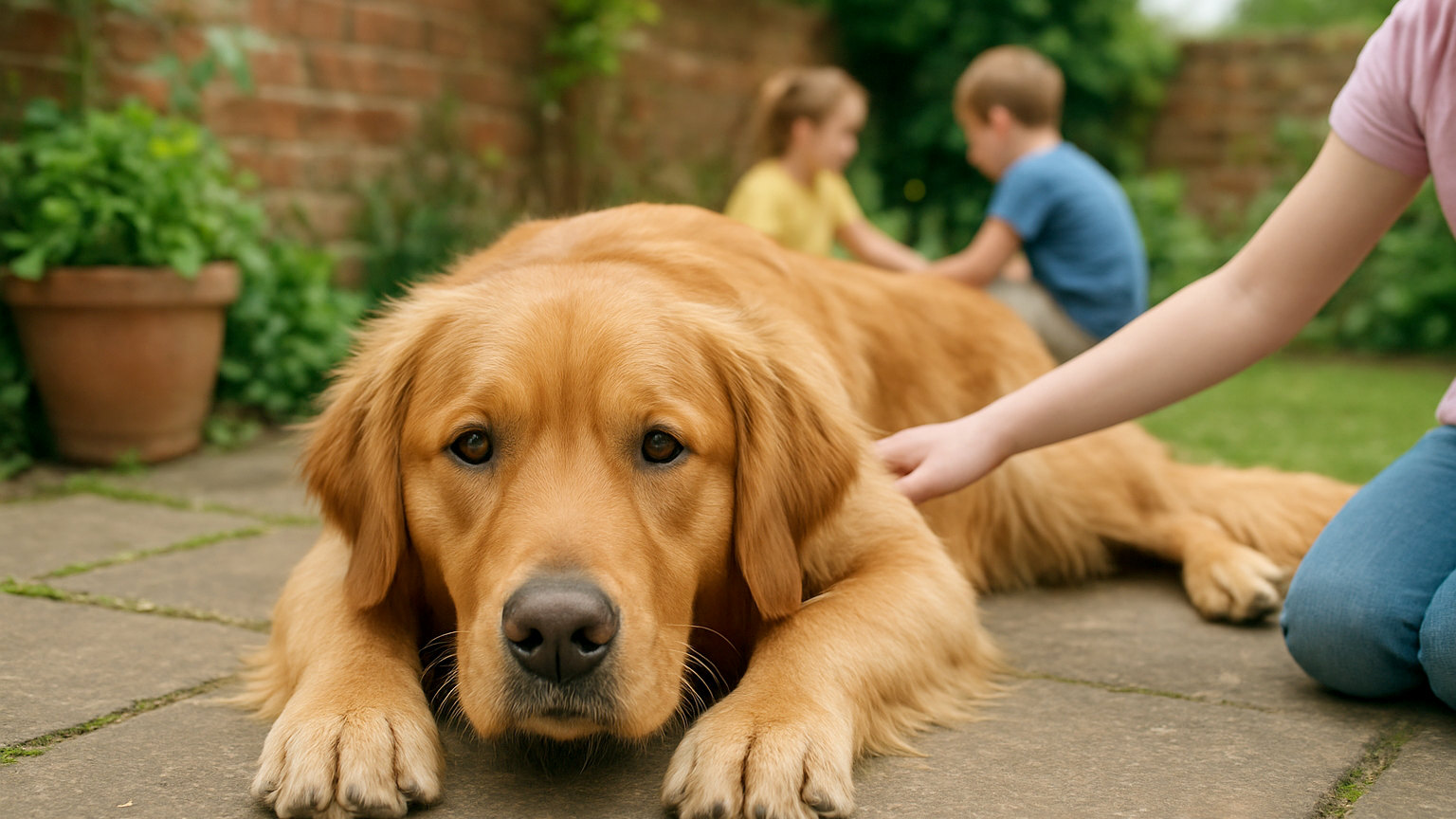
Three rules that prevent most problems. Leave the dog alone when it is eating, sleeping or in its bed. Let the dog come to you rather than chasing or picking it up. And never take anything from the dog's mouth.
Teach these before the dog arrives, so they are established rather than being corrected in the moment. Practise with a toy dog if the children are young enough for that to work.
Explain why rather than just stating the rule. Children who understand that a dog needs somewhere to escape to follow the rule far more reliably.
What should children learn to recognise?
The signals that mean a dog wants space. Lip licking, yawning when not tired, turning the head away, showing the whites of the eyes, a tucked tail, freezing or moving away.
These come long before a growl. A child who can spot them can step back before the situation escalates, which is the most useful safety skill available.
Teach that a growl is information rather than naughtiness. A dog that growls is asking for distance, and children should be praised for noticing rather than encouraged to tell the dog off.
How should the house be set up?
Give the dog a defined place of its own before it arrives, ideally away from the front door and the busiest route through the house. A crate or bed in a quiet corner works well.
Make it absolutely clear that this space is out of bounds to children, with no exceptions. A dog with a reliable escape route rarely needs to escalate.
Put away anything you would rather not lose, secure bins, move houseplants that are toxic, and check the garden fencing at the base as well as the top.
What should the first days look like?
Quieter than families expect. Resist inviting friends and relatives to meet the dog in the first week, however tempting. A new dog needs time to decompress before meeting everyone.
Keep the routine calm and predictable, establish where the dog sleeps from the first night rather than changing it later, and start building short periods alone straight away rather than waiting.
Expect the dog to be subdued initially and for its real personality to emerge over weeks rather than days.
How do you manage children's expectations?
By being specific about what the dog will not do at first. It will not want to play constantly, may not want to be cuddled, might hide, and will probably have accidents indoors.
Children who expect an instantly affectionate playmate are disappointed, and disappointment leads to pestering. Framing the first weeks as the dog getting to know them gives children something constructive to do.
What should be arranged before arrival?
Register with a vet, arrange insurance to start from day one, book a reward-based training class, and know who will cover walks if someone is ill. Sorting these in advance removes pressure from an already busy fortnight.
What should you buy in advance?
Bed, crate if you are using one, bowls, harness, lead, collar with an identification tag, food matching what the dog is currently eating, and a few safe chews.
Legally a dog in a public place must wear a collar with the owner's name and address on it or on a tag, and must be microchipped with current details. Sort both immediately.
Hold off on expensive beds and toys until you know what survives, particularly with a puppy or an adolescent.