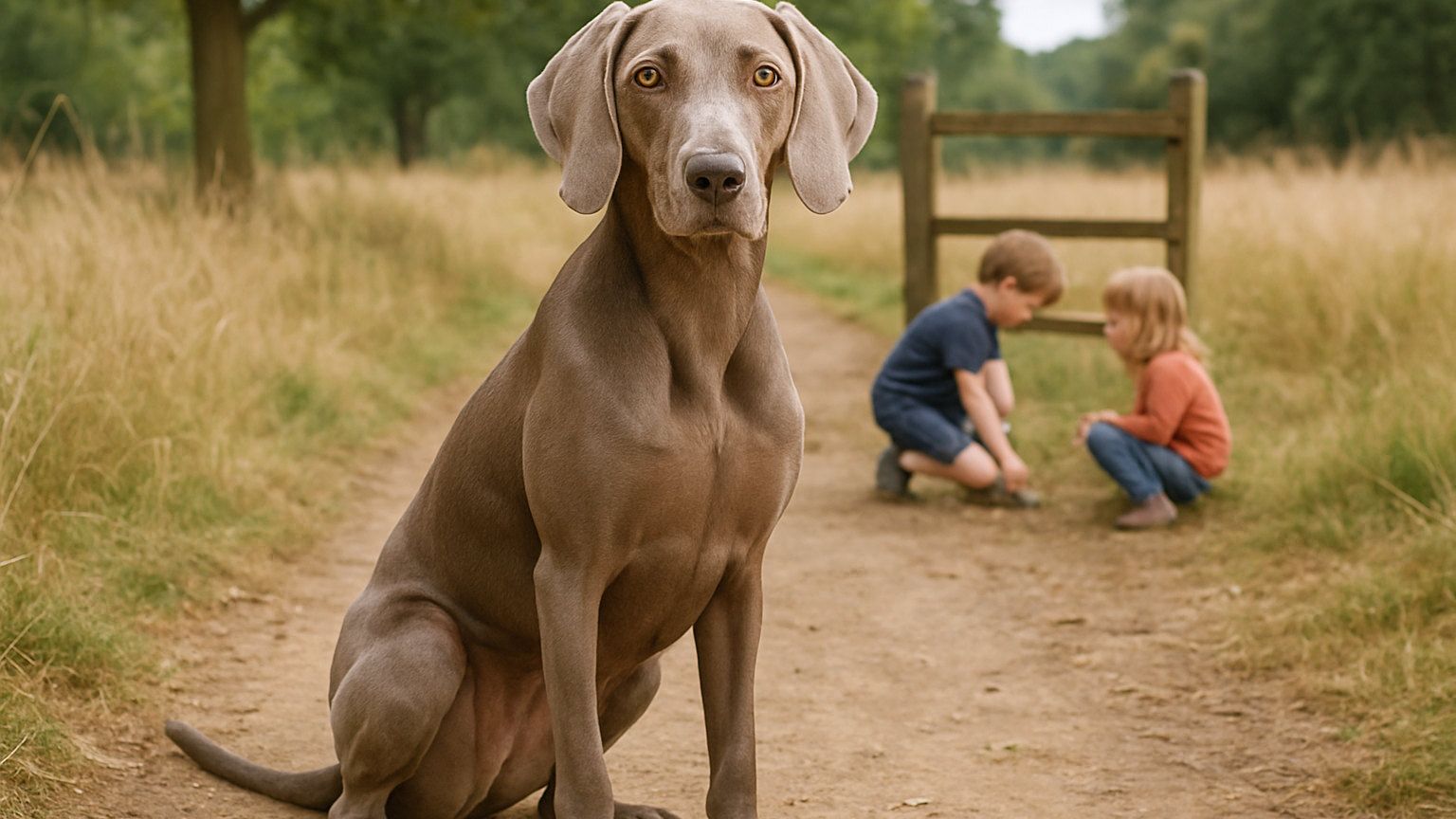
The default assumption is that a family dog should be a puppy, so it can grow up alongside the children. It is an appealing picture and frequently the harder path, and it is worth weighing properly rather than assuming.
What does the first year actually involve?
Considerably more than most families anticipate. A puppy needs feeding several times a day, taking outside every hour or so when awake and at least once overnight, and constant supervision when not confined.
It will bite, and puppy teeth hurt. Children frequently find this distressing, and the biting is at its worst precisely when the novelty is wearing off.
It will chew furniture, shoes and skirting boards. It will have accidents indoors for weeks. It needs socialising extensively before sixteen weeks, which means deliberate outings rather than just walks.
How does that fit around children?
Poorly, in many households. A puppy needs roughly the supervision level of a toddler, and families that already have a toddler are attempting two demanding jobs at once.
The overlap is worst when children are under five. Puppies and small children both move unpredictably and neither can be told to stop, so an adult must be present continuously.
Families with children over eight generally cope better, because the children can help and can follow rules.
What are the advantages of a puppy?
Real ones. You control the socialisation, so a puppy raised properly around your children learns that your household is normal. You know the whole history.
You also get the full lifespan, which matters emotionally to children. And with a pedigree puppy from a tested breeder, you have reasonable information about likely adult size, coat and temperament.
What are the advantages of an adult?
Certainty, above all. Size, coat, shedding, energy level and behaviour around children are visible rather than predicted. There is no guessing about how big the dog will get.
Most adult rescue dogs are toilet trained, past the destructive phase and sleeping through the night. The intensive first year has already happened.
Rescue centres assess dogs specifically for suitability with children and will tell you honestly which are appropriate. That assessment is more reliable than any breed description.
What is the ideal age for a family?
Frequently eighteen months to three years. Dogs in this range are past adolescence, energetic enough to enjoy children, settled in temperament and readily available because adolescents are the age group most often given up.
Older dogs of seven and above suit quieter households and are often overlooked, which makes them easier to adopt. The trade-off is fewer years and potentially higher vet costs.
Does an adult dog bond with children?
Yes, and this worry is largely unfounded. Dogs form attachments throughout life, and rescue dogs frequently bond intensely with new families.
The settling period varies. A rough pattern is three days to decompress, three weeks to show real personality and three months to feel settled, though some take longer.
How should a family decide?
Ask what capacity the household genuinely has for the next twelve months rather than what feels appealing. If nobody can be home consistently during the first months, a puppy is the wrong choice regardless of preference.
Visit a rescue centre before deciding. Many families arrive intending to ask about puppies and leave having met an adult dog that suited them considerably better.
What about an older dog?
Often the most overlooked option and frequently a good one for families. Dogs of seven and above are typically calm, house trained and undemanding, and they wait far longer in rescue than younger dogs.
The trade-off is time and cost. Fewer years, and a greater chance of age-related conditions which will be excluded from insurance if already diagnosed.
For families wanting a settled companion rather than a project, and who can be honest with children about the likely timescale, an older dog can be an excellent fit.
Whichever route you take, visit before deciding. Families who meet several dogs almost always choose differently from families who decide on a breed and an age from a website.