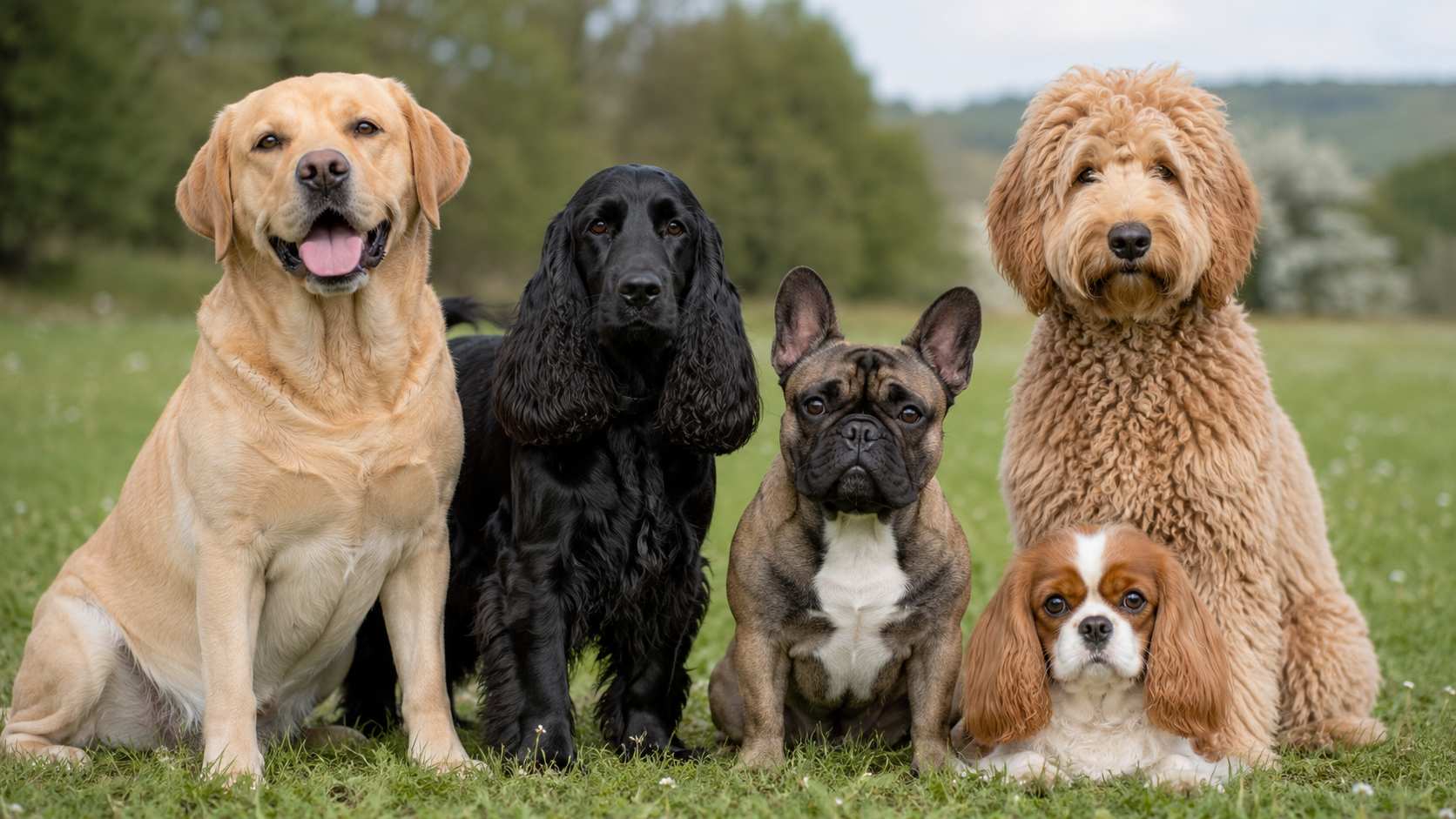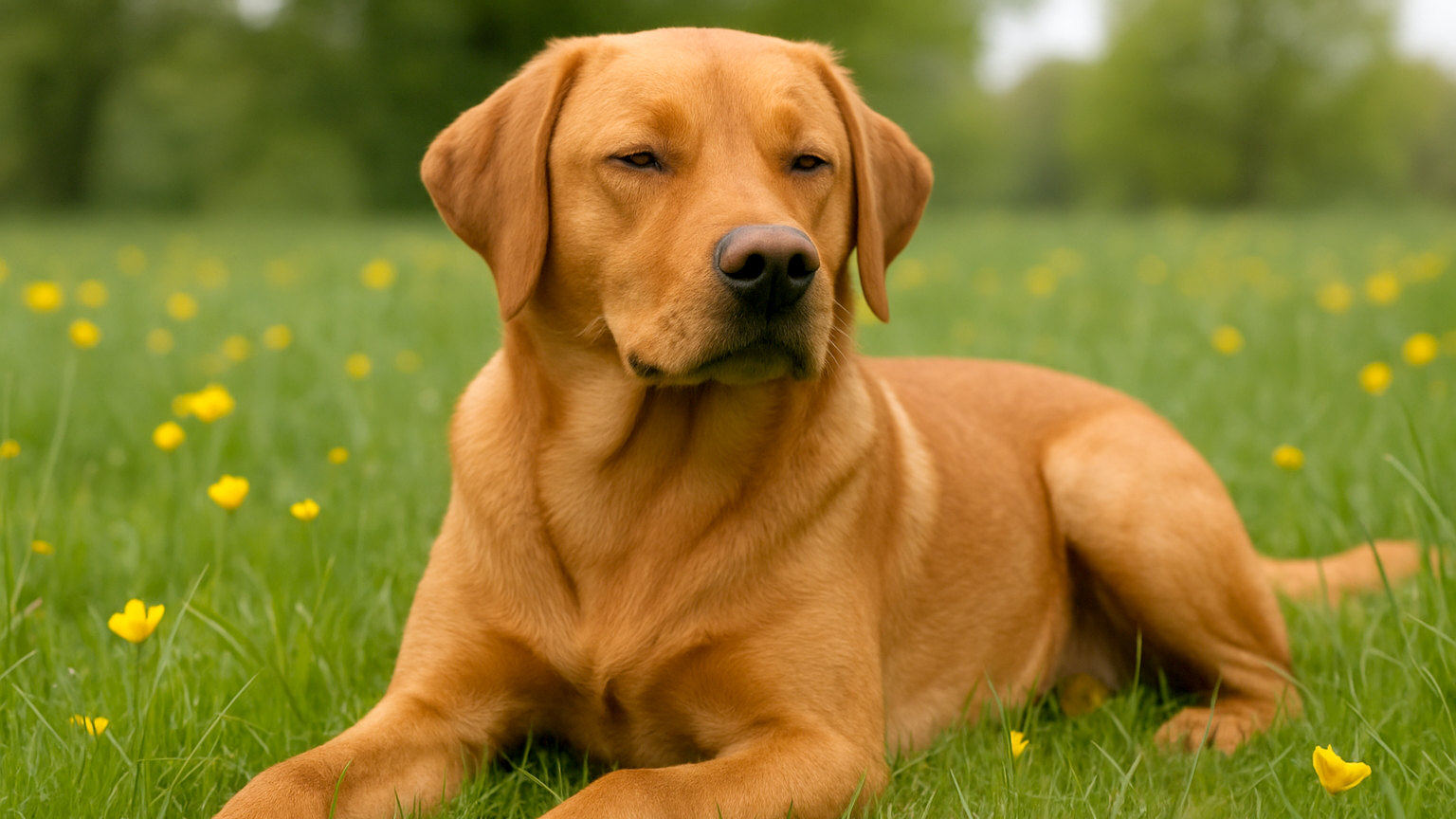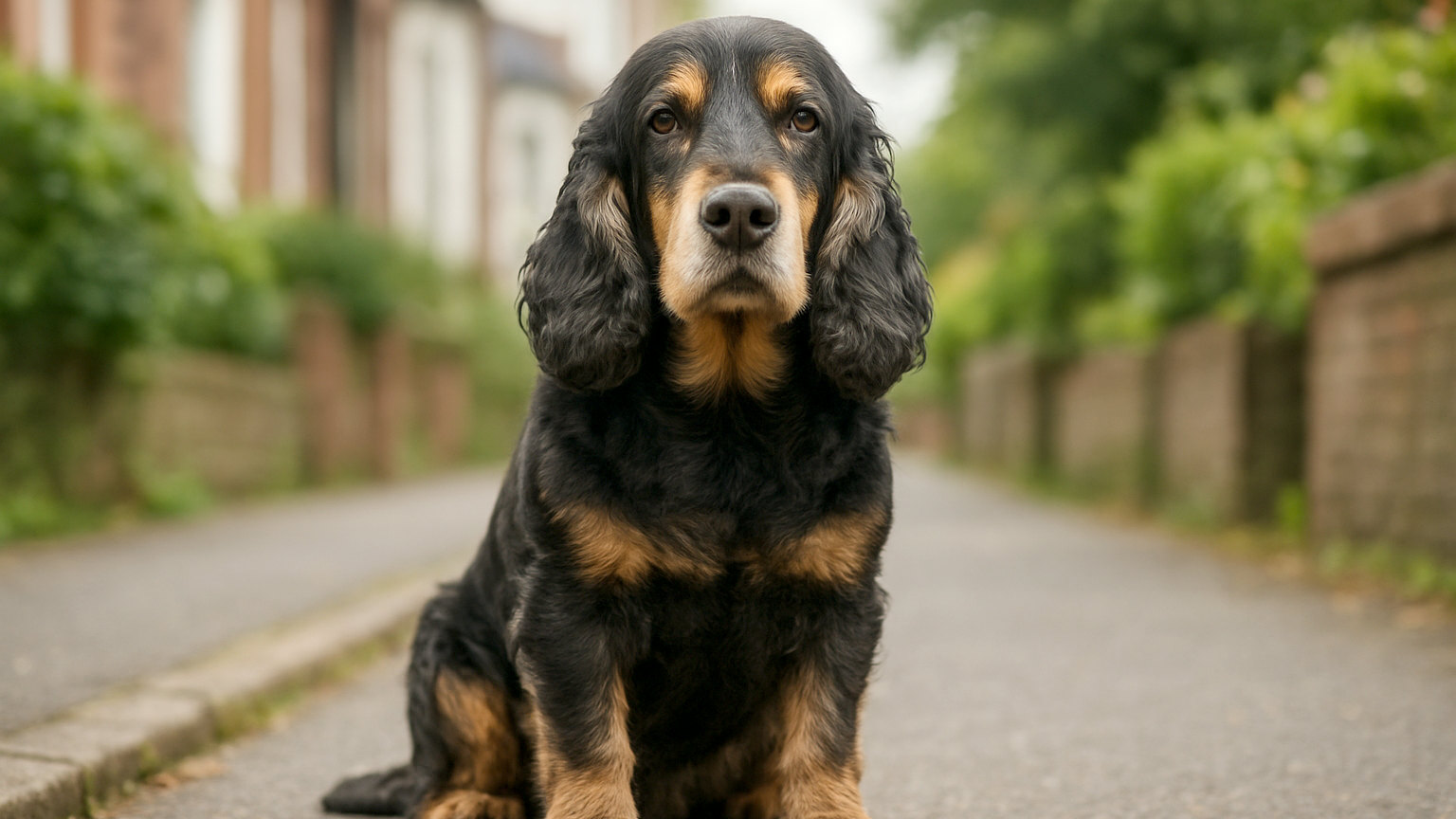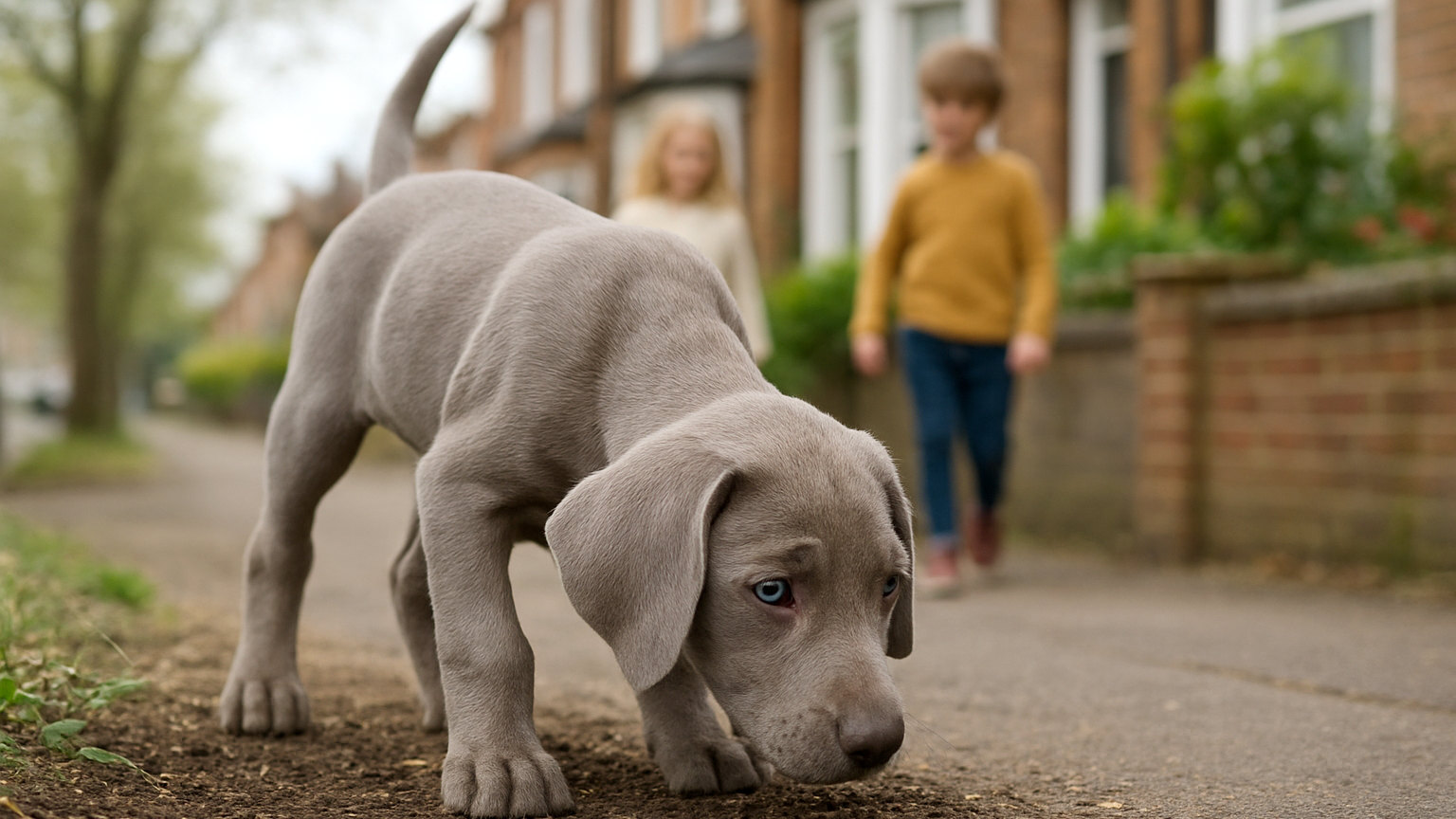
Almost every breed description written to sell puppies describes the dog as good with children. The phrase means very little on its own, and understanding what actually underpins it is far more useful than any list of recommended breeds.
What traits genuinely matter?
Three above all. The first is a high startle threshold: how much has to happen before a dog reacts. A family home is full of sudden noise and unexpected contact, and a dog that startles easily lives in a state of low-level stress.
The second is recovery. Every dog will be startled eventually. What matters is whether it shakes it off in seconds or stays wound up for an hour.
The third is predictability. A dog whose responses are consistent is one a family can learn to read, and reading the dog correctly is what prevents almost every incident.
Why is gentleness the wrong measure?
Because gentleness is a description of behaviour when things are going well, and family life includes moments when they are not.
A gentle dog that cannot cope with being cornered is more dangerous than a sturdier dog that simply walks away. What you want is tolerance under pressure rather than softness in calm conditions.
Robustness matters here too. A dog physically capable of absorbing a stumble or a dropped toy is far less likely to become defensive than one that gets hurt by ordinary household accidents.
Does size make a difference?
Yes, though not in the direction most people assume. Larger tolerant breeds are frequently better with toddlers than small ones, because they can absorb clumsy handling and walk away.
Very small dogs are easily injured by a falling child, and a dog that has been hurt learns that children are dangerous. They are also picked up constantly, which removes their ability to leave a situation.
The trade-off is physical: a large adolescent can knock a child over without any bad intent, and bites cause more damage when they happen.
What about energy and drive?
Energy is manageable. Drive is harder. A breed developed to control movement will respond to running, shrieking children by trying to herd them, which means circling and nipping at heels.
That is instinct rather than aggression, but it frightens children and needs an outlet. Similarly, a dog with high prey drive may chase a running toddler for reasons that have nothing to do with temperament.
Breeds developed as companions or as cooperative working dogs generally slot into family life more easily than those bred to work independently.
How much does the individual dog matter?
More than the breed. Breed narrows the range of what you are likely to get; it does not determine it. Two Labradors from different lines can differ considerably in energy and sensitivity.
Meeting the parents tells you far more than any breed description, because temperament is heritable and a nervous or frantic mother is meaningful information.
An adult from rescue removes most of the uncertainty entirely, since its behaviour around children is observed rather than predicted.
What can a family change?
A great deal. Socialisation before sixteen weeks shapes how a dog interprets the world, and continued exposure through adolescence matters just as much.
Training four specific things carries most of the practical benefit: not jumping up, walking on a loose lead, settling on a mat and coming when called.
Giving the dog a bed nobody is allowed to approach is the single most effective management step, because a dog with a reliable escape route rarely needs to escalate.
What should you avoid assuming?
That any breed is safe unsupervised with children, because none is. That a dog raised with children will automatically tolerate visiting children, because many do not. And that a breed's reputation applies to the specific dog in front of you.
The families who do best are the ones who choose a breed that suits their actual household, then treat supervision and training as permanent rather than temporary.