Parents frequently assume a big dog is riskier around a toddler than a small one. In terms of temperament the opposite is often true, though size introduces practical problems that need managing rather than ignoring.
Why do large breeds often cope well?
Because many were bred for jobs requiring tolerance and a high startle threshold. Retrievers, Newfoundlands, Bernese Mountain Dogs and Saint Bernards were all selected for steadiness around people.
A large, robust dog that is bumped or leaned on can absorb it and walk away. A small dog frequently cannot get away at all, because it is being held, and a dog that cannot escape and cannot make the situation stop will eventually use its teeth.
Large breeds are also physically hard for a child to injure, which removes a major cause of defensive behaviour.
What are the real risks with a large dog?
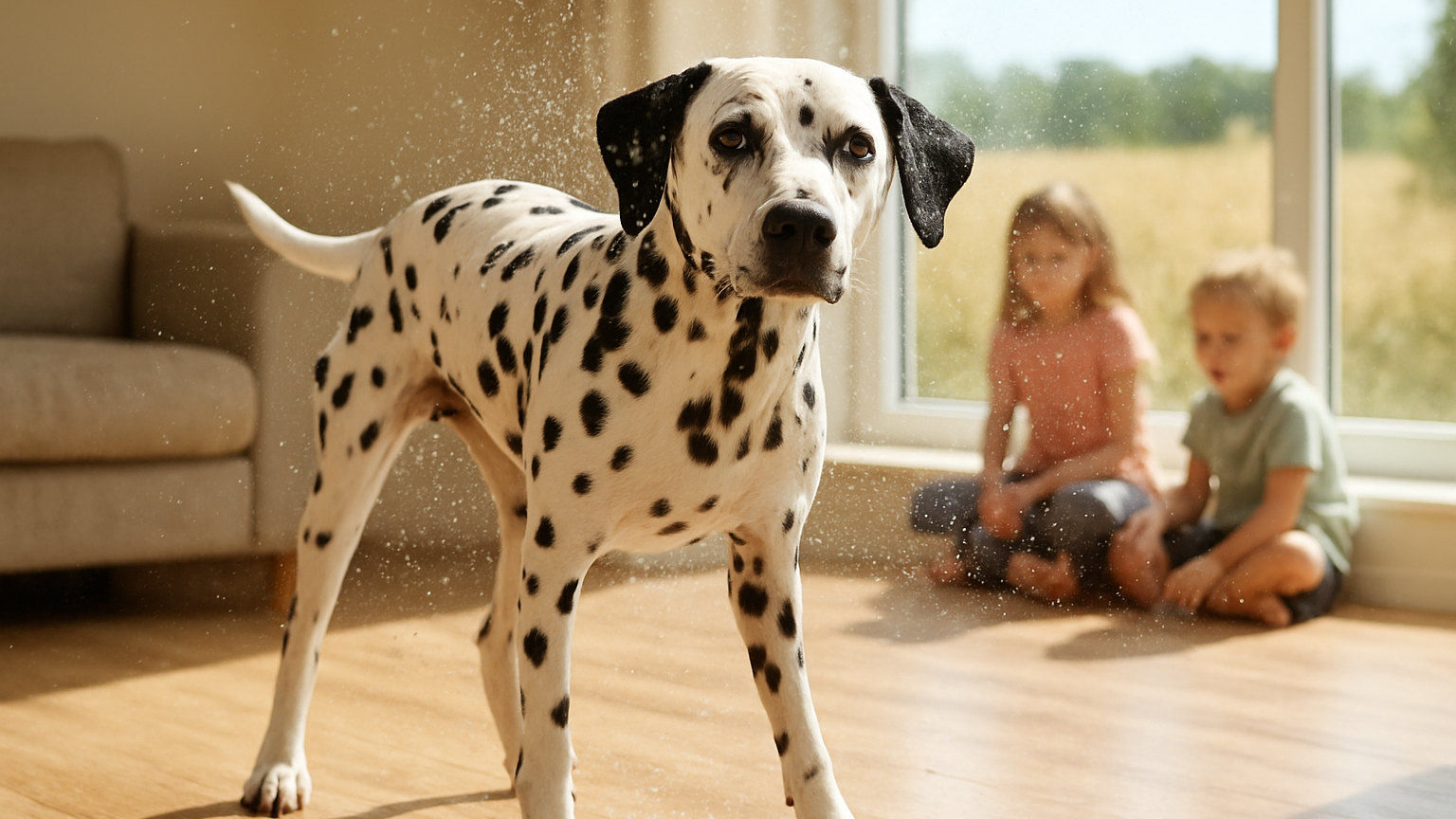
Physical rather than behavioural, and they are genuine. An adolescent large breed weighing forty kilograms can knock a toddler flat simply by turning round or running past.
A wagging tail at head height hurts. Paws land heavily. An excited dog jumping up can cause real injury to a small child even with entirely friendly intent.
Bites from a large dog also cause more damage when they do occur, which is why supervision matters regardless of how tolerant the breed is.
Which large breeds tend to suit families?
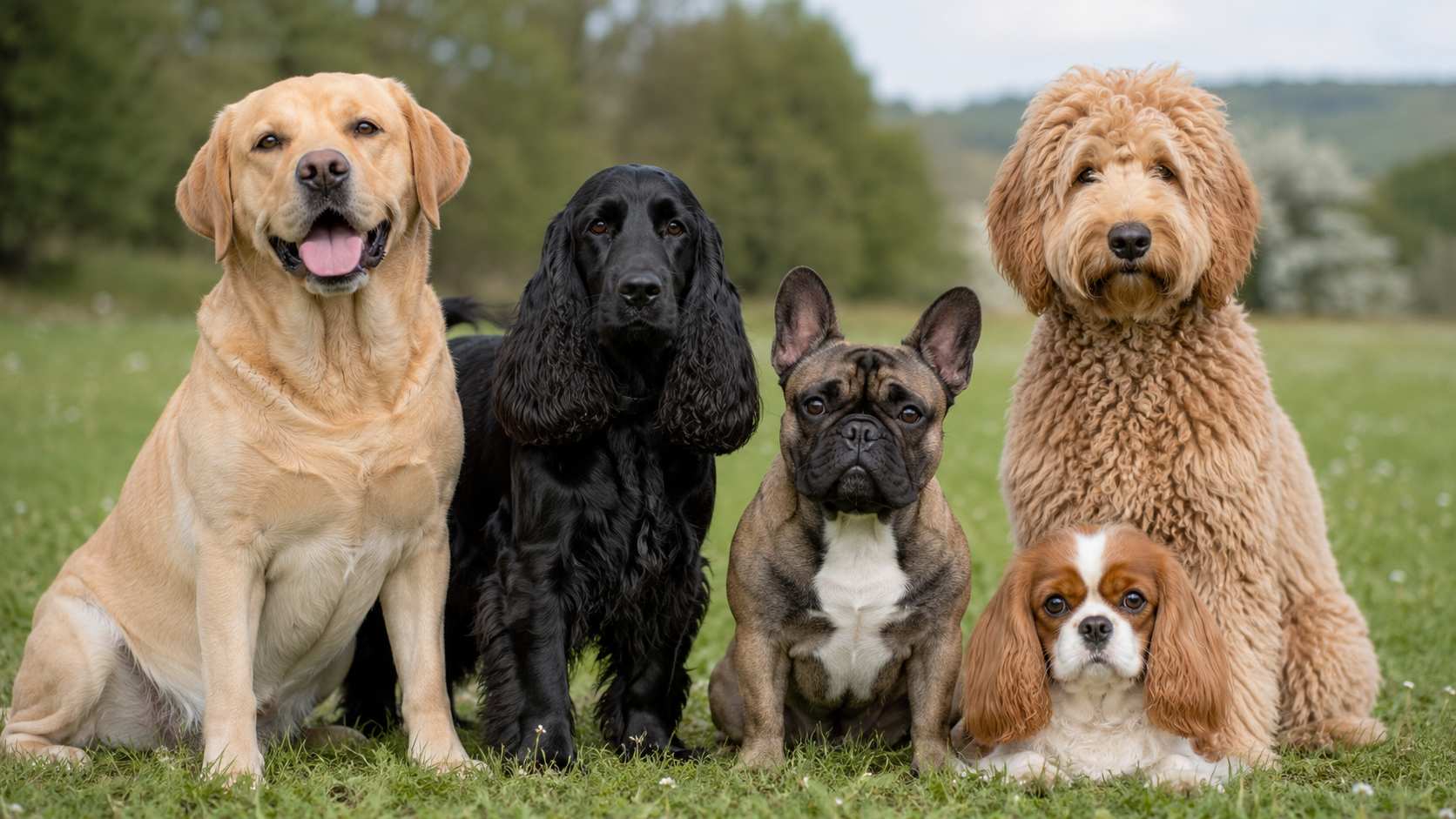
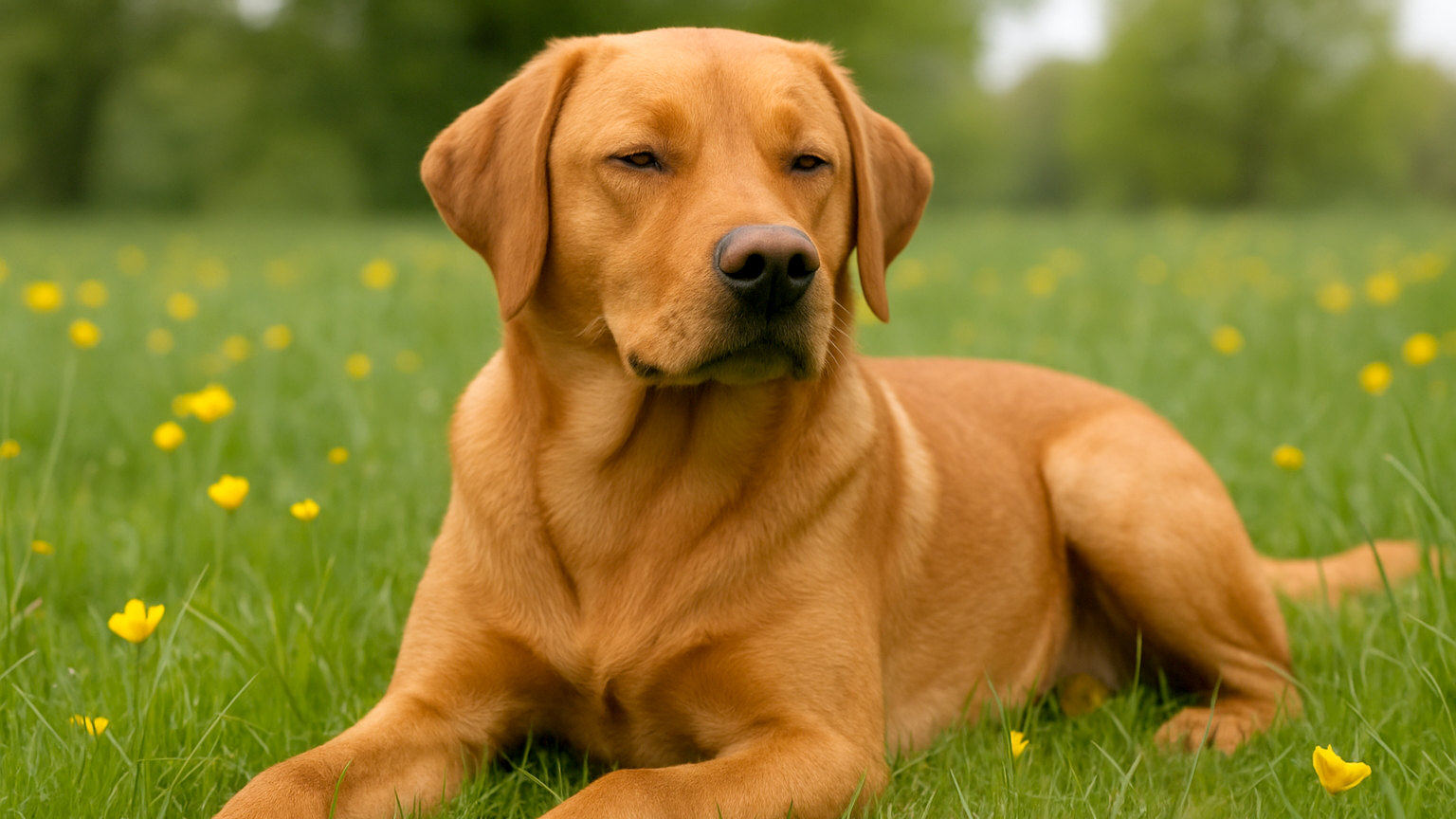
Labradors and Golden Retrievers are the classic choices for good reason, being tolerant, sociable and rarely possessive. Newfoundlands and Bernese Mountain Dogs are famously gentle, with the caveat of short lifespans.
Greyhounds are quiet, gentle and calm indoors, and adult rescues are assessed for suitability with children. Standard Poodles are sociable and highly trainable.
Guardian breeds including Rottweilers, Dobermanns and livestock guardians can be excellent with their own family but need considerably more socialisation and management, particularly around visiting children.
What supervision actually works?
Active supervision means being in the room, watching and ready to intervene. Being nearby while looking at a phone is not supervision, and it is the situation in which most incidents happen.
Give the dog a bed or crate that children are never allowed to approach, and enforce that absolutely. A dog with a reliable escape route rarely needs to escalate.
Never leave a dog of any size alone with a small child, however trustworthy it has been.
What should everyone learn to recognise?
Lip licking, yawning when not tired, turning the head away, showing the whites of the eyes, a tucked tail, freezing or moving away all mean the dog wants space. These come well before a growl.
Treat a growl as useful information rather than misbehaviour. It is a request for distance, and a dog punished for growling may skip the warning next time.
Teach children to leave the dog alone when it is eating, sleeping or in its bed, and most problems never arise.
What training matters most?
Four skills carry most of the benefit with a large dog in a family home: not jumping up, walking on a loose lead, settling on a mat, and coming when called.
Teach these from puppyhood rather than after the dog is large enough for them to be problems. A forty kilogram dog that jumps up is a hazard; the same behaviour at eight weeks is merely inconvenient, which is exactly why it gets allowed.
How do you introduce a large dog to a new baby?
Gradually and well in advance. Set up equipment early so the dog has weeks to adjust, and establish any new rules about furniture or rooms before the baby arrives rather than at the same time.
Play recordings of baby noises quietly while the dog does something enjoyable, building volume slowly so the sounds are not startling on the day.
Once home, let the dog observe from a distance it is comfortable with rather than pushing them together. Keep the dog's routine as normal as possible, and never leave them alone together at any age.