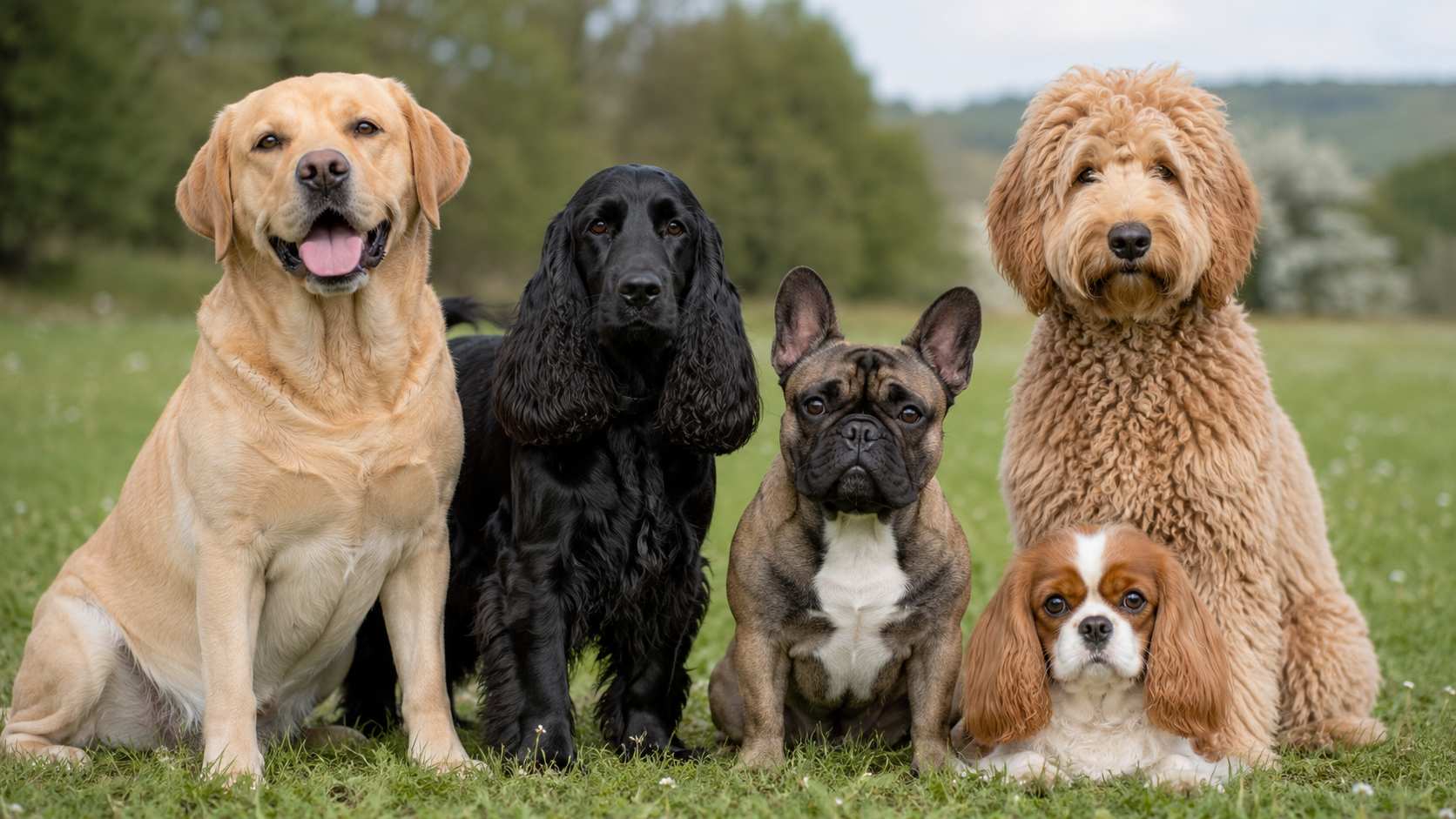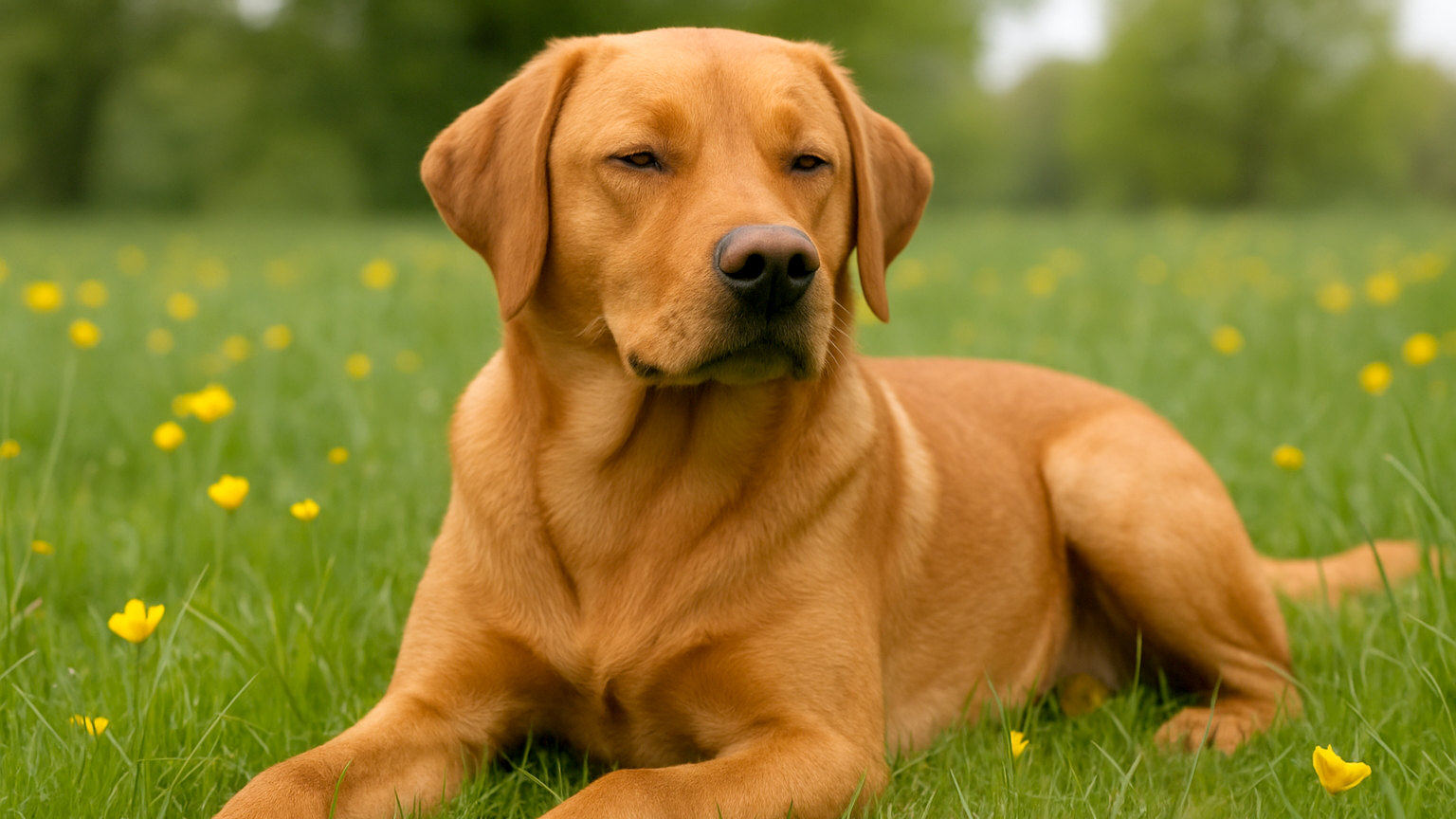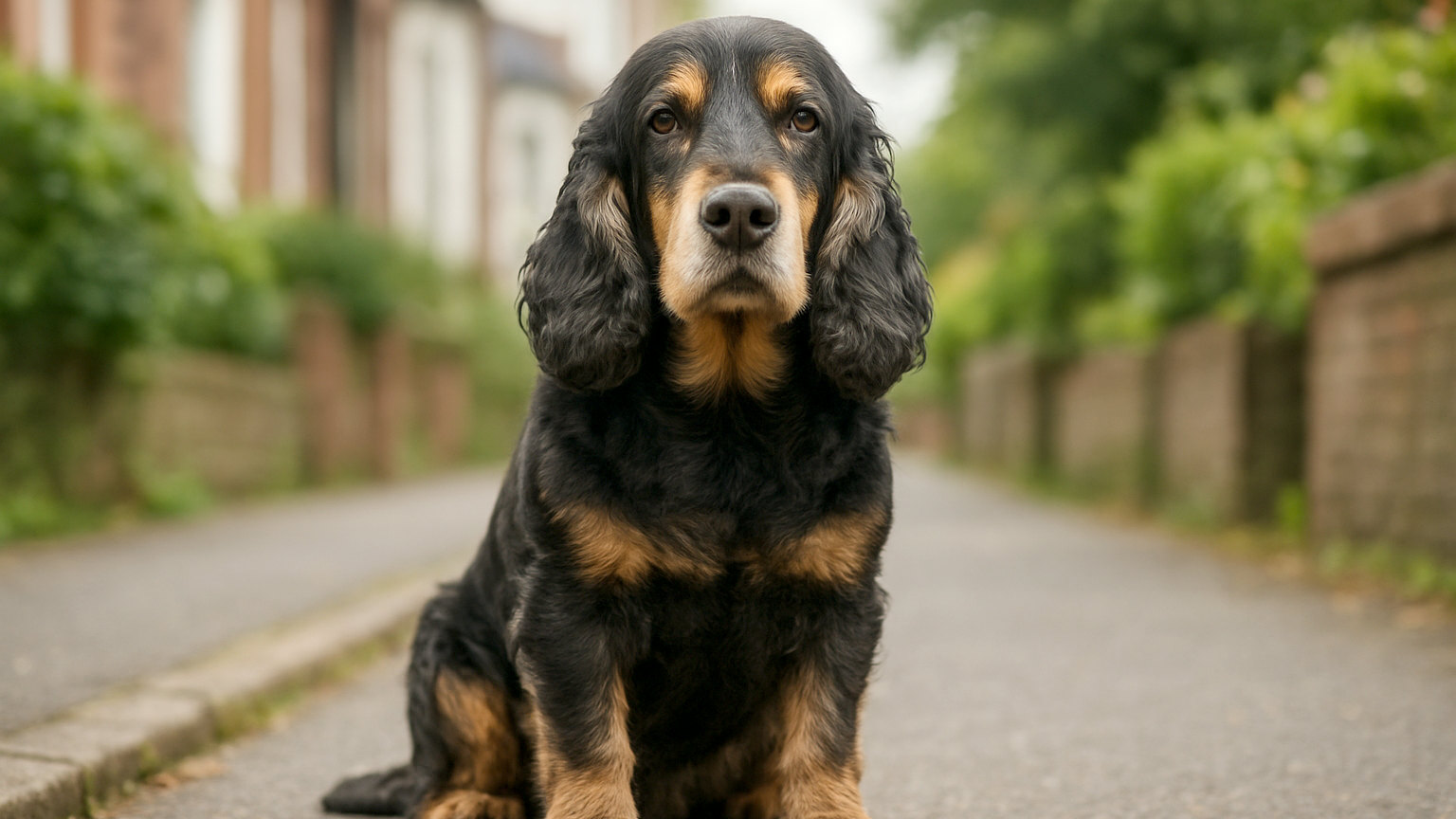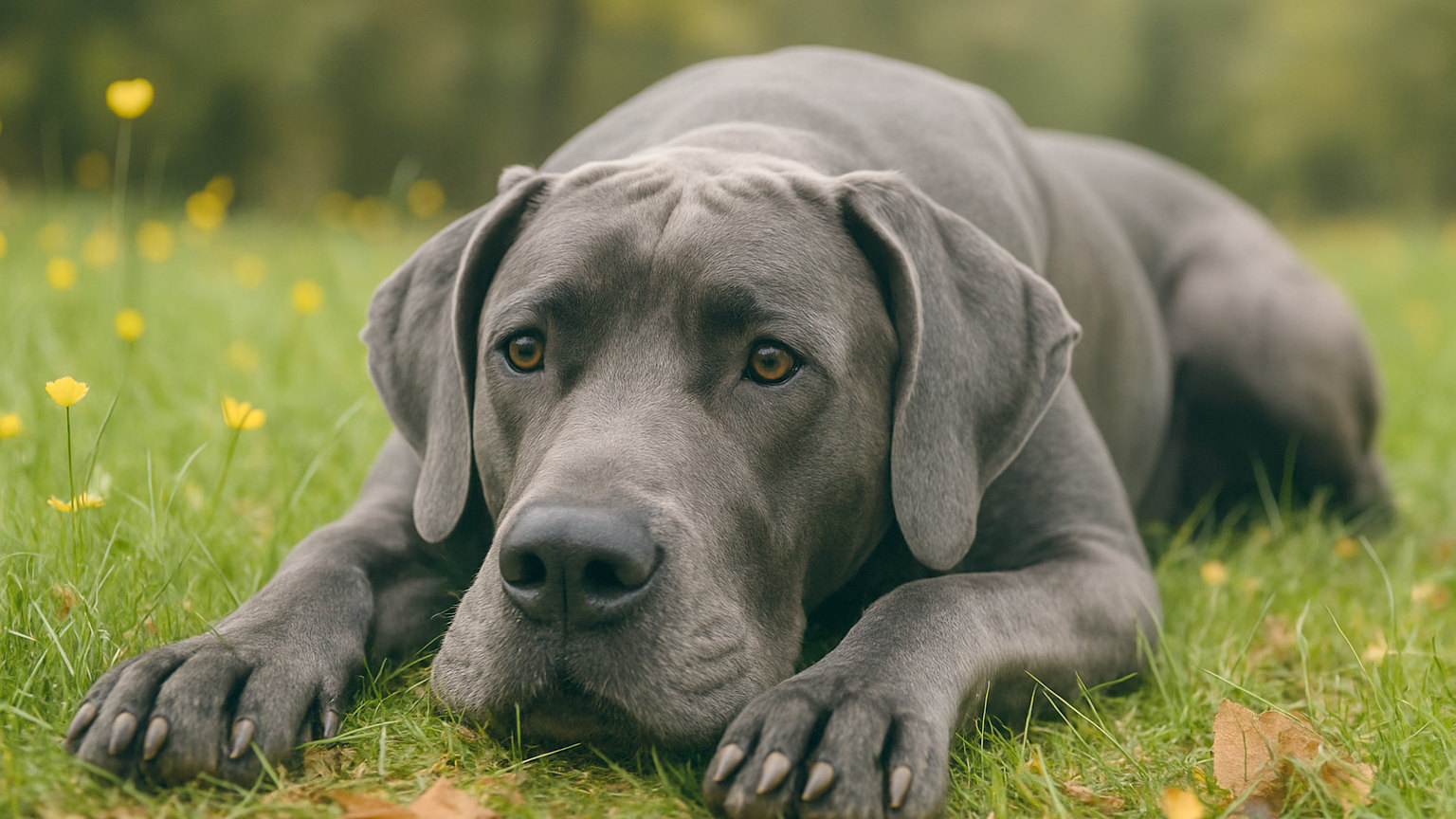
Large is a broad category that stretches from a twenty-six kilogram Labrador to a seventy kilogram Mastiff, and treating those as the same kind of dog is a mistake. Most guides split the range further, and the split is useful.
What weight ranges are usually used?
Large generally means around twenty-five to forty-five kilograms, standing roughly sixty to seventy centimetres at the shoulder. Giant means anything above that, typically forty-five kilograms and upwards.
Insurers, dog food manufacturers and boarding kennels all draw their own lines, and they rarely agree. A dog near a boundary may be quoted as large by one provider and giant by another, with a meaningful difference in price.
Which breeds are large?
Labradors and Golden Retrievers sit at the lower end. German Shepherds, Rottweilers, Boxers, Dobermanns, Weimaraners, Rhodesian Ridgebacks, Standard Poodles, Old English Sheepdogs and Bull Mastiffs at the lighter end all fall in the large band.
Greyhounds are technically large by height but are so lightly built and so calm indoors that they behave nothing like other dogs in this group.
Which breeds are giant?
Great Danes, Irish Wolfhounds, Newfoundlands, Saint Bernards, Leonbergers, Bernese Mountain Dogs, Mastiffs, Great Pyrenees and Neapolitan Mastiffs.
These are a genuinely different proposition. A Great Dane can stand taller than a table on all fours and weigh as much as an adult person, which changes everything from car choice to who can safely hold the lead.
Why does the distinction matter?
Lifespan, most of all. Large breeds typically live ten to twelve years. Giant breeds frequently manage only six to nine, and a seven-year-old Great Dane is an elderly dog.
The leading explanation is growth rate. A giant breed puppy grows from under a kilogram to seventy kilograms in roughly eighteen months, which demands an extraordinary rate of cell division and appears to come at a cost in longevity and cancer risk.
Joint disease also arrives earlier and matters more, because there is more weight loading the joints throughout life.
How do costs differ?
Substantially, and food is only part of it. Medication is dosed by body weight, so a course of antibiotics or pain relief for a giant breed costs several times what it does for a terrier.
Anaesthetic, surgery and diagnostic imaging all scale similarly. Insurance premiums for giant breeds are among the highest of any category, reflecting both frequency and cost of claims.
Beds, crates, harnesses and boarding all cost more, and many owners find they need a larger car.
Does size affect temperament?
Not directly, though there is a pattern worth noting. Several of the giant breeds were developed as guardians or draught animals rather than for speed or endurance, and many are notably placid indoors.
Newfoundlands, Saint Bernards and Great Danes are frequently described as gentle and low-energy in the house. Meanwhile, some smaller large breeds such as Weimaraners and Dobermanns are far busier and need considerably more work.
Once again, breeding purpose predicts behaviour better than weight does.
What should you check before choosing?
Whether you can physically manage the adult dog, particularly during adolescence when it is large, strong and not yet sensible. Whether your car, home and budget accommodate it. And whether you are prepared for a shorter life if the breed is giant.
Ask about health testing appropriate to the breed, including hip and elbow scores and heart testing where relevant, and be realistic about the fact that a giant breed puppy needs its exercise carefully restricted for well over a year.
Are large breeds harder to rehome?
Considerably, and it is worth knowing before you buy. Rescue centres consistently report that large and giant breeds wait longest for homes, because fewer households can accommodate them and many landlords refuse them.
The practical implication is that if your circumstances change, finding a new home for a Great Dane is far harder than for a terrier. Breed-specific rescues exist for most large breeds and do excellent work, but they are frequently full.
It also means adopting a large adult is realistic. Well-assessed dogs of known temperament are available, often through breed rescues that know their dogs thoroughly.