Plenty of people want a dog that walks well, then lies down and lets the evening pass. Medium breeds include some of the best candidates for that and some of the worst, and the assumptions people make are frequently backwards.
Which medium breeds settle most readily?
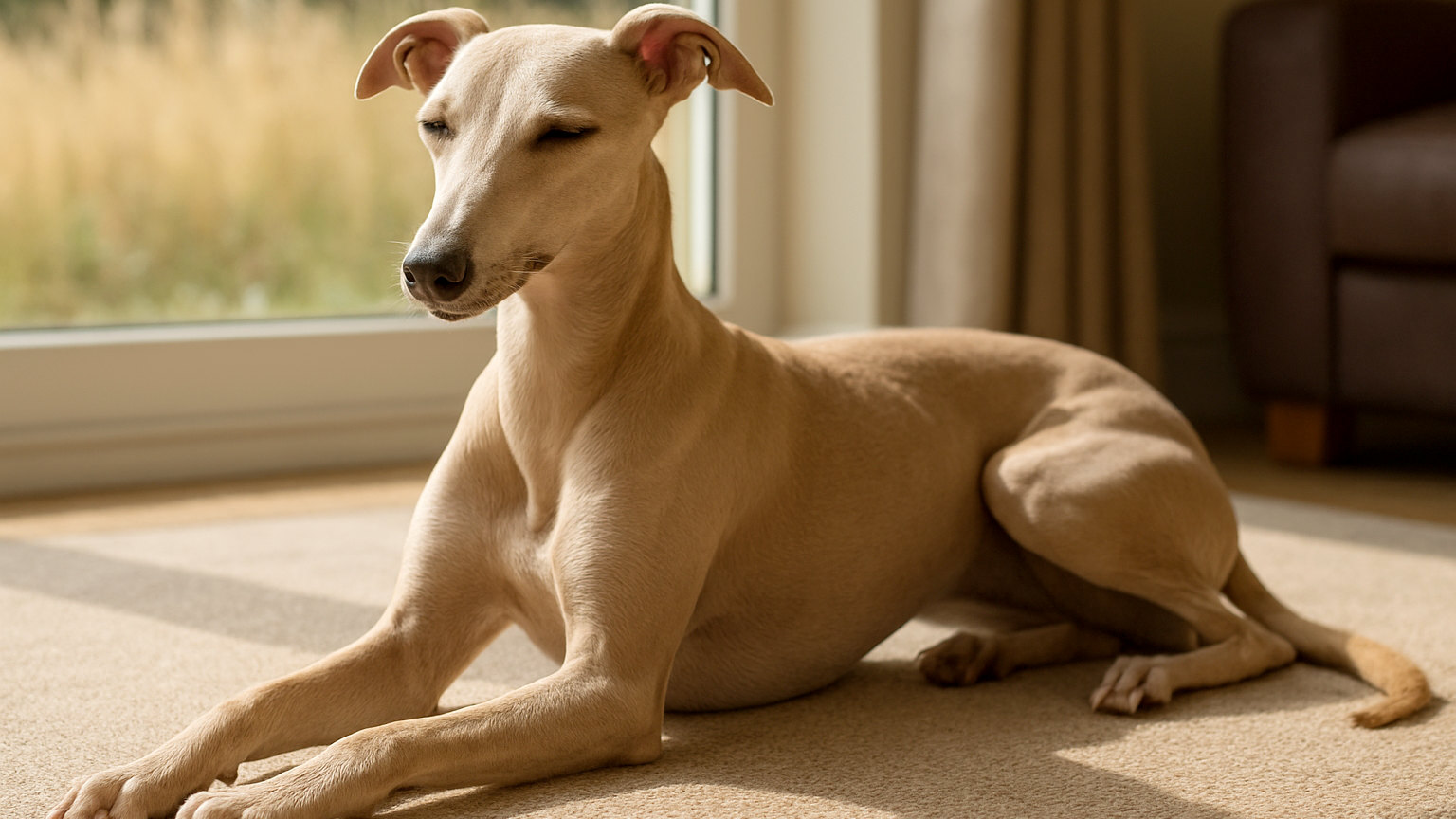
Whippets and Greyhounds top the list and surprise almost everyone. Both are sighthounds bred for short bursts of enormous speed followed by long recovery, so they need a proper run and then sleep for most of the day. They are quiet, gentle and famously fond of sofas.
Basset Hounds are genuinely low-energy indoors, though stubborn and heavy to lift. Bulldogs are calm and undemanding, with breathing limitations that need managing.
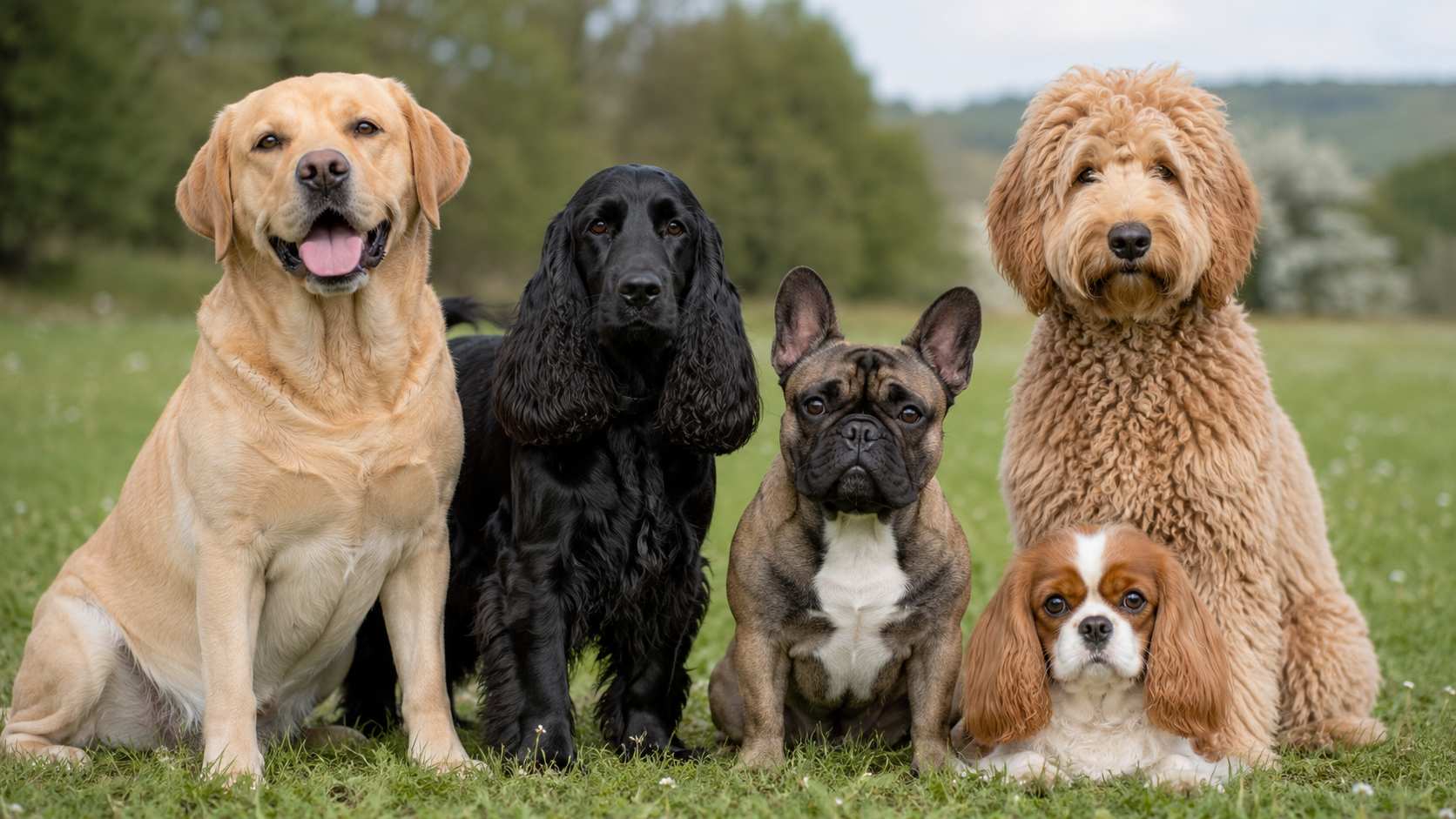
Staffordshire Bull Terriers are more variable but many settle well once exercised, and they are strongly inclined to lie against their people. Cavalier King Charles Spaniels sit at the small end of medium and are among the calmest companions available.
Which are rarely calm?
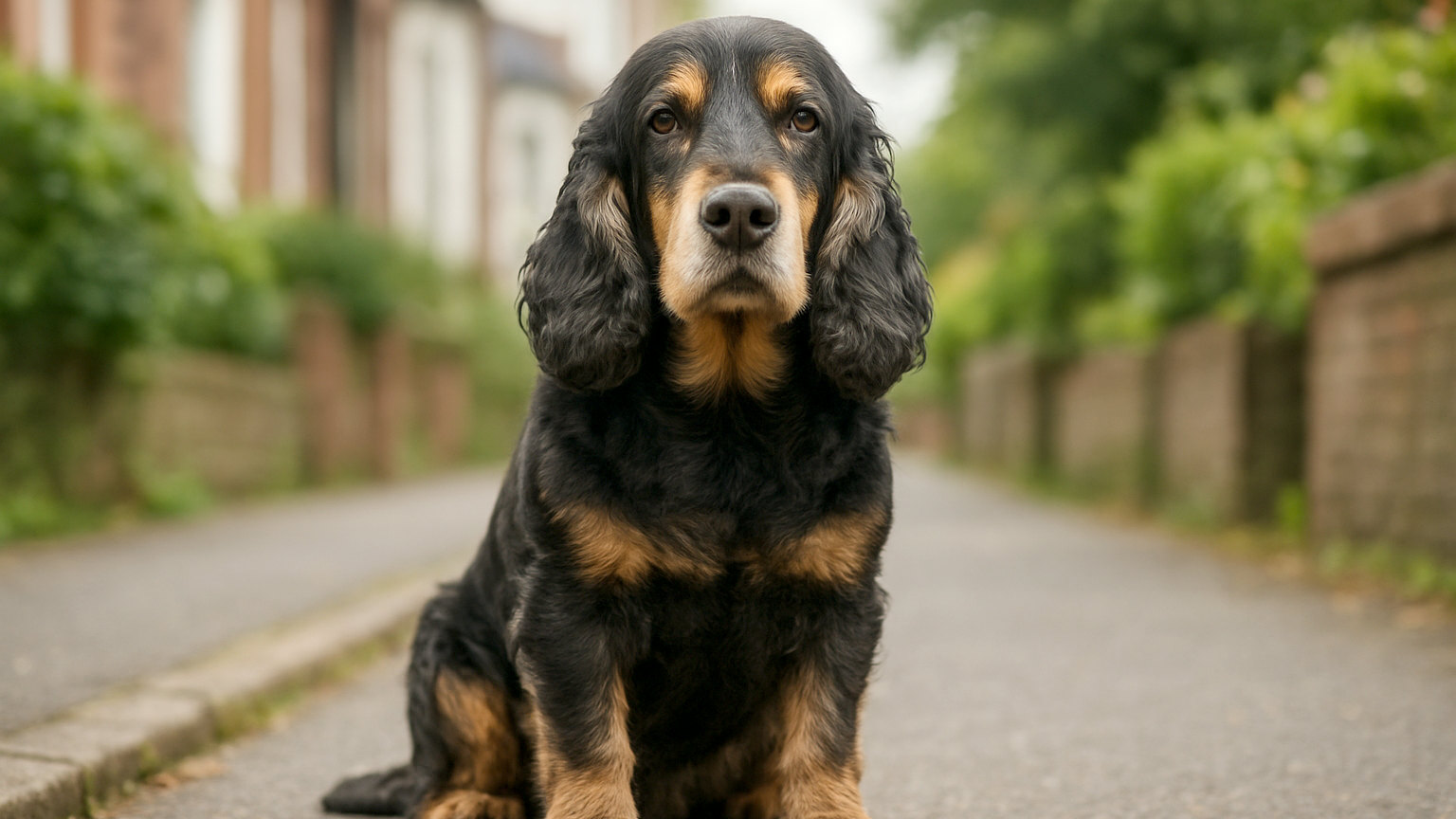
Border Collies, English Springer Spaniels, working Cockers and Standard Poodles are all clever, driven dogs that need substantial daily work before they will settle at all.
None of these is badly behaved. They were bred to work, and a working dog without work stays switched on. Owners who add more walking often find the dog simply becomes fitter.
Shetland Sheepdogs and Beagles fall in between: manageable, but both are vocal and both need real stimulation.
Is calmness inherited or built?
Both, and the built portion is larger than most people expect. Settling in a busy household is a skill, and many dogs are never taught it.
Reward calm deliberately rather than only responding to activity. A dog that gets attention when it brings a toy learns that activity works. Quietly dropping a treat beside a dog already lying down teaches the opposite lesson.
Teach a settle on a mat, build duration gradually, and use a chew or stuffed feeder to create genuine downtime rather than a dog waiting for the next event.
How much does routine matter?
A great deal. Dogs settle far better when the day has a predictable shape, because they are not constantly anticipating what happens next.
Walks, meals and quiet periods at roughly consistent times lower background arousal noticeably. Households where stimulation arrives in unpredictable bursts tend to produce dogs that never fully switch off.
Build a genuine rest period after each walk. Activity followed by downtime becomes a pattern the dog learns to expect.
Could the dog be overtired rather than energetic?
Frequently, and it is the most commonly missed explanation. Adult dogs sleep a great deal and adolescents need more than owners assume. An overtired dog becomes frantic, mouthy and unable to settle, which looks identical to excess energy.
If additional exercise is making things worse rather than better, try enforced rest in a quiet space for a few days. The improvement is often obvious within a week.
What should you look for when choosing?
Meet the parents and watch how they actually behave rather than relying on a breed description. Temperament is heritable and a frantic mother is meaningful information.
Better still, consider an adult from rescue. Energy level is visible rather than predicted, and staff will tell you plainly which of their dogs are settled at home.
What should you check before choosing?
Watch the parents rather than reading the breed description. Temperament is heritable, and a mother who cannot settle in her own home is meaningful information about what her puppies are likely to be.
Ask what the parents were bred for. Within spaniels and collies especially, the difference between working and show lines is larger than the difference between two separate breeds.
If calmness is genuinely your priority, an adult from rescue removes the guesswork entirely, because the dog you meet is the dog you get.
Choose for the dog you want at three years old rather than the one in the photograph. Puppies of every breed are busy, and the settled temperament most people are actually after belongs to the adult.