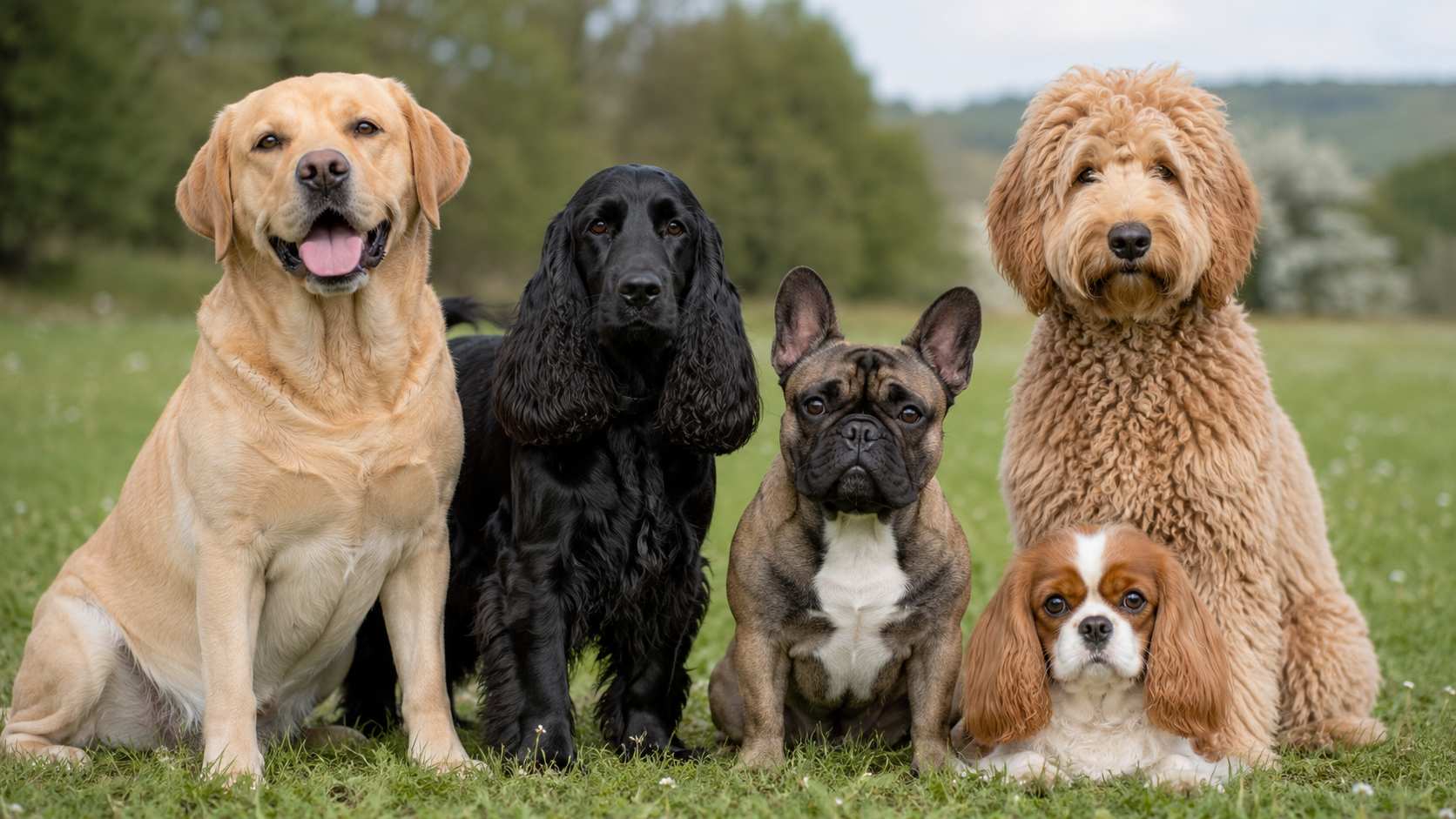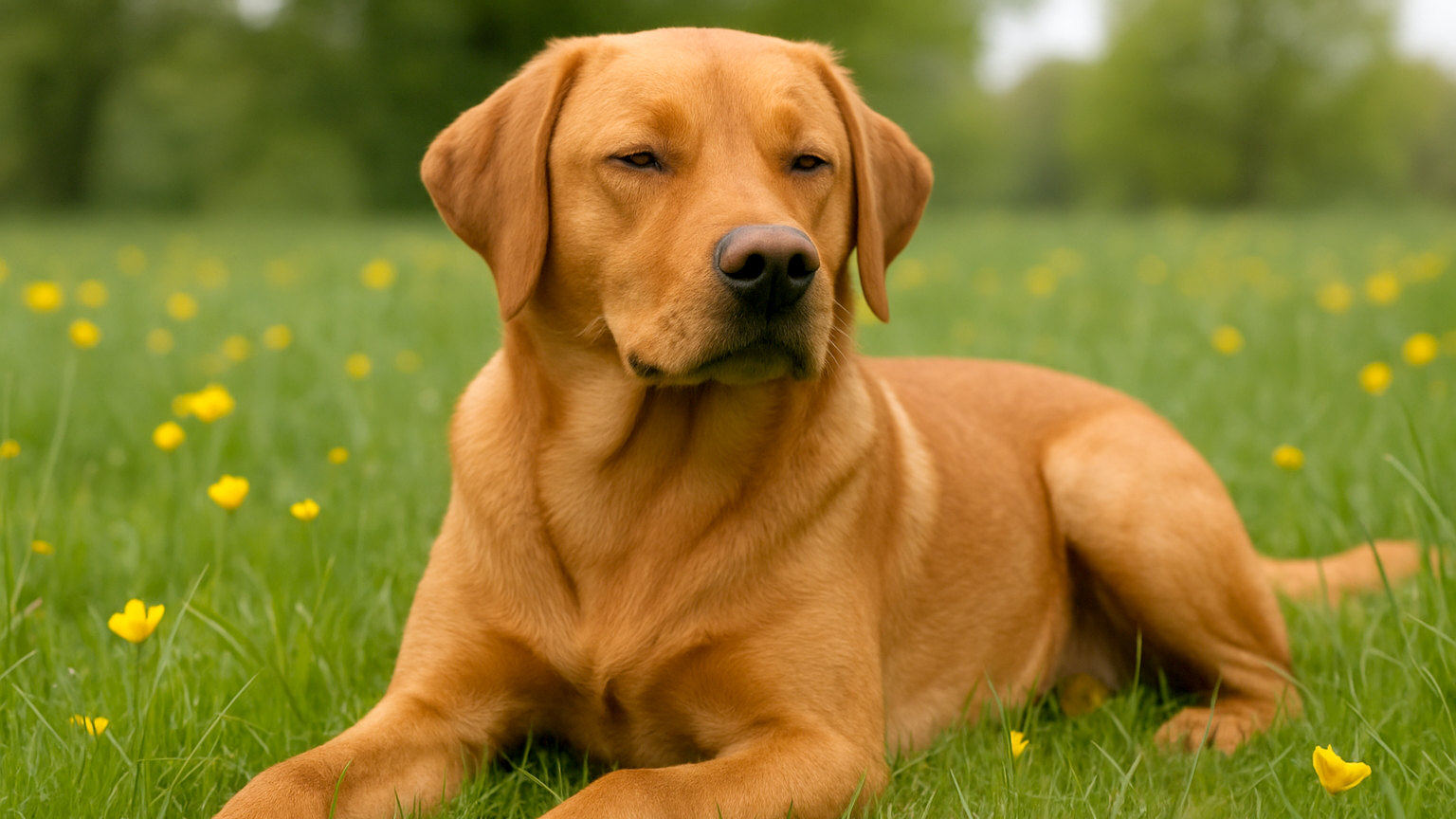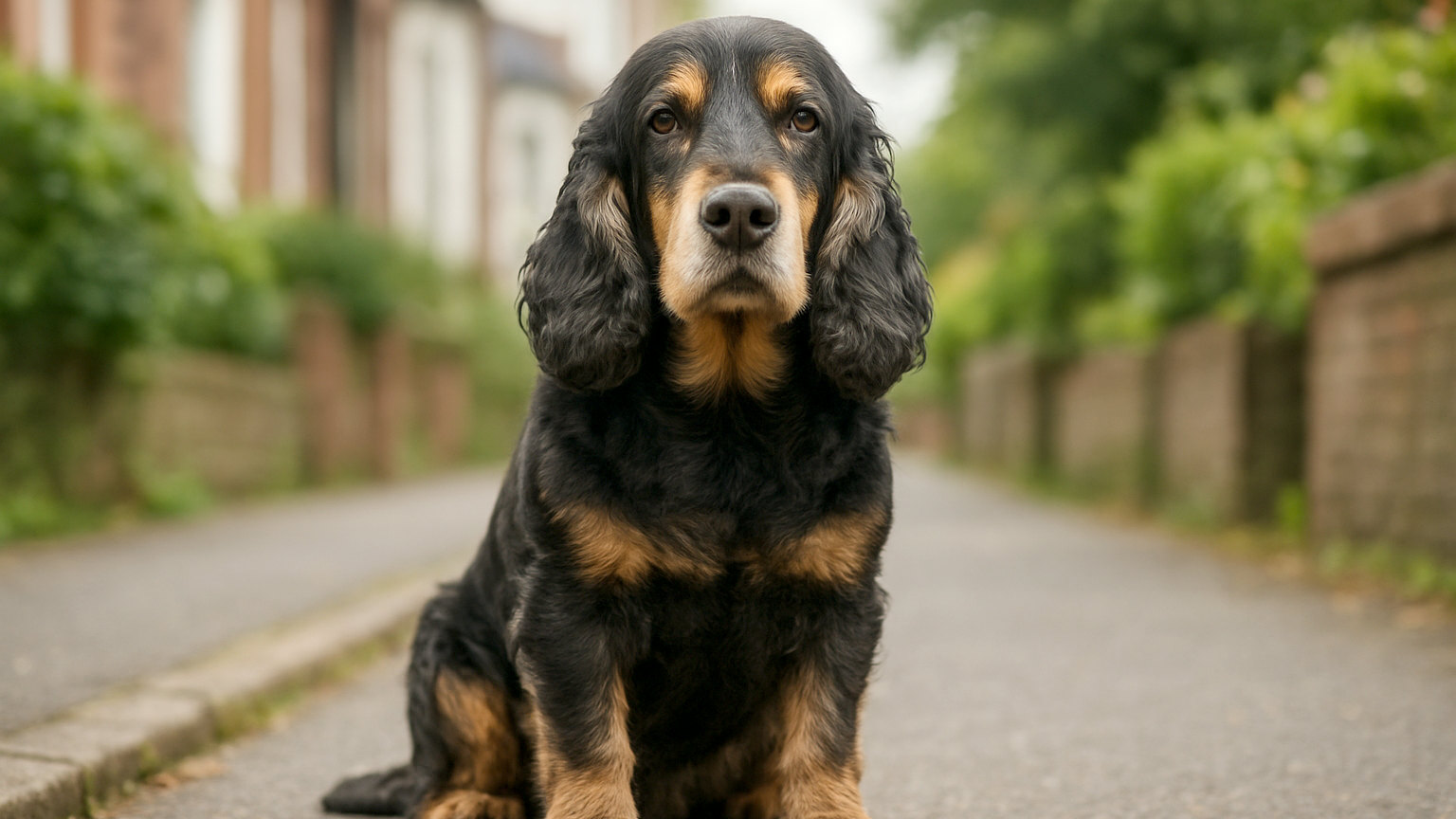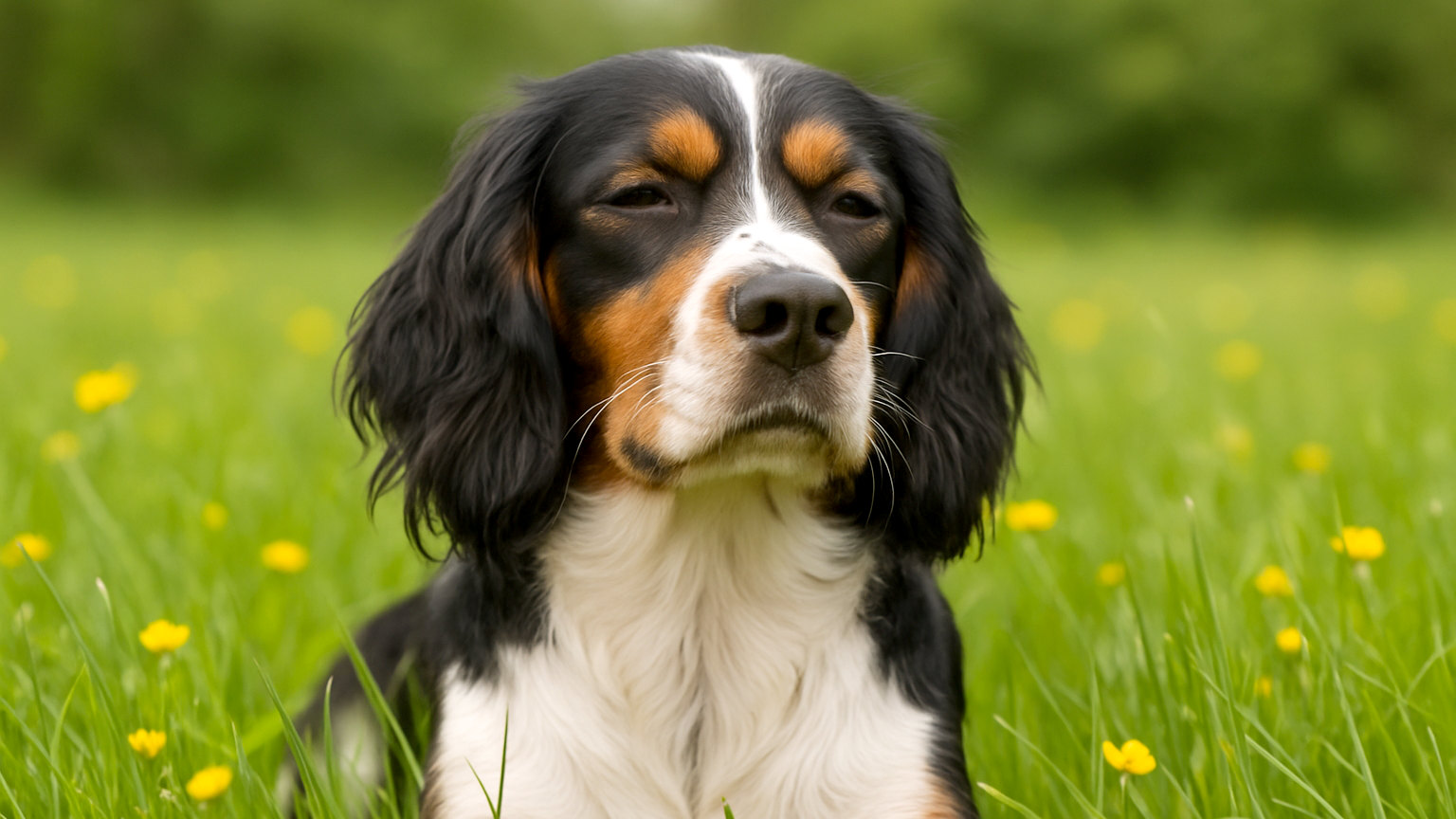
Ask how much exercise a medium dog needs and the honest answer is that the category contains both the least and most demanding pet dogs in Britain. The weight bracket is the same. The requirement differs by a factor of three.
What is the realistic range?
At the lower end, Basset Hounds, Bulldogs and Whippets manage well on forty-five minutes to an hour a day. Whippets are the surprise here: they need a proper run but sleep for most of the remaining day.
In the middle, Beagles, Staffordshire Bull Terriers, Cocker Spaniels from show lines and Shetland Sheepdogs generally want an hour to ninety minutes.
At the top, Border Collies, English Springer Spaniels, working Cockers and Standard Poodles need ninety minutes to two hours plus daily mental work. A working-bred dog in this group can absorb considerably more.
Why does breeding purpose matter more than size?
Because a dog bred to work is selected for stamina and for wanting to work. That drive does not switch off because the dog now lives in a semi-detached house.
A Border Collie was bred to concentrate on a task for hours under direction. A Basset was bred to follow a scent slowly and steadily. Both weigh about the same and neither will be satisfied by the other's routine.
Ask what the breed was developed to do and you have most of the answer before reading anything about exercise requirements.
Does mental work count?
Considerably, and for working breeds it is not optional. Twenty minutes of scent work, a training session or a puzzle feeder will settle an intelligent dog more effectively than an extra mile.
Sniffing in particular is genuinely tiring. A slower walk where the dog is allowed to investigate achieves more than a brisk one where it is pulled past everything interesting.
Repetitive ball throwing is the common mistake. It is highly arousing, self-reinforcing and hard on joints, and it produces a fitter dog rather than a calmer one.
How do you tell if a dog is under-exercised?
The signs are consistent: chewing, digging, barking at minor noises, difficulty settling in the evening, worsening lead manners and attention-seeking behaviour that escalates when ignored.
A useful test is what the dog does at nine at night. A well-exercised dog sleeps. One that paces or repeatedly brings toys is telling you the day was not enough.
Some dogs described as hyperactive are the opposite: chronically overtired and unable to switch off. If more exercise is making things worse, try enforced rest instead.
What about puppies?
Restrict formal exercise while joints develop. A common guide is five minutes per month of age, twice daily, until growth plates close at around twelve to fifteen months in medium breeds.
Free play in a garden at the puppy's own pace is different and generally fine. What to avoid is forced repetitive exercise: long structured walks, running alongside a bicycle, repeated stairs and jumping down from height.
Fill the gap with training and scent games, which tire a puppy without loading the joints.
What about hot and cold weather?
Walk early or late in warm conditions and shorten sessions. Flat-faced medium breeds such as Bulldogs need active limiting, since they cannot cool themselves efficiently.
Thin-coated breeds including Whippets feel the cold genuinely and benefit from a coat in winter. Adjust by dog rather than by calendar.
Can a dog get too much exercise?
Yes, and it is more common than people think. A dog conditioned to long, high-intensity daily work simply becomes fitter, so the same routine achieves less each month. Owners describe an escalating pattern they cannot keep up with.
Sustained high-arousal activity also leaves a dog unable to settle for hours afterwards, and repeated hard braking and twisting places real strain on joints.
The better approach is a mix: moderate physical activity, generous sniffing time, and daily mental work, with genuine rest built in afterwards.
Whatever the breed, watch the dog rather than the clock. A dog that settles contentedly in the evening and is keen but not frantic before a walk has the balance roughly right.