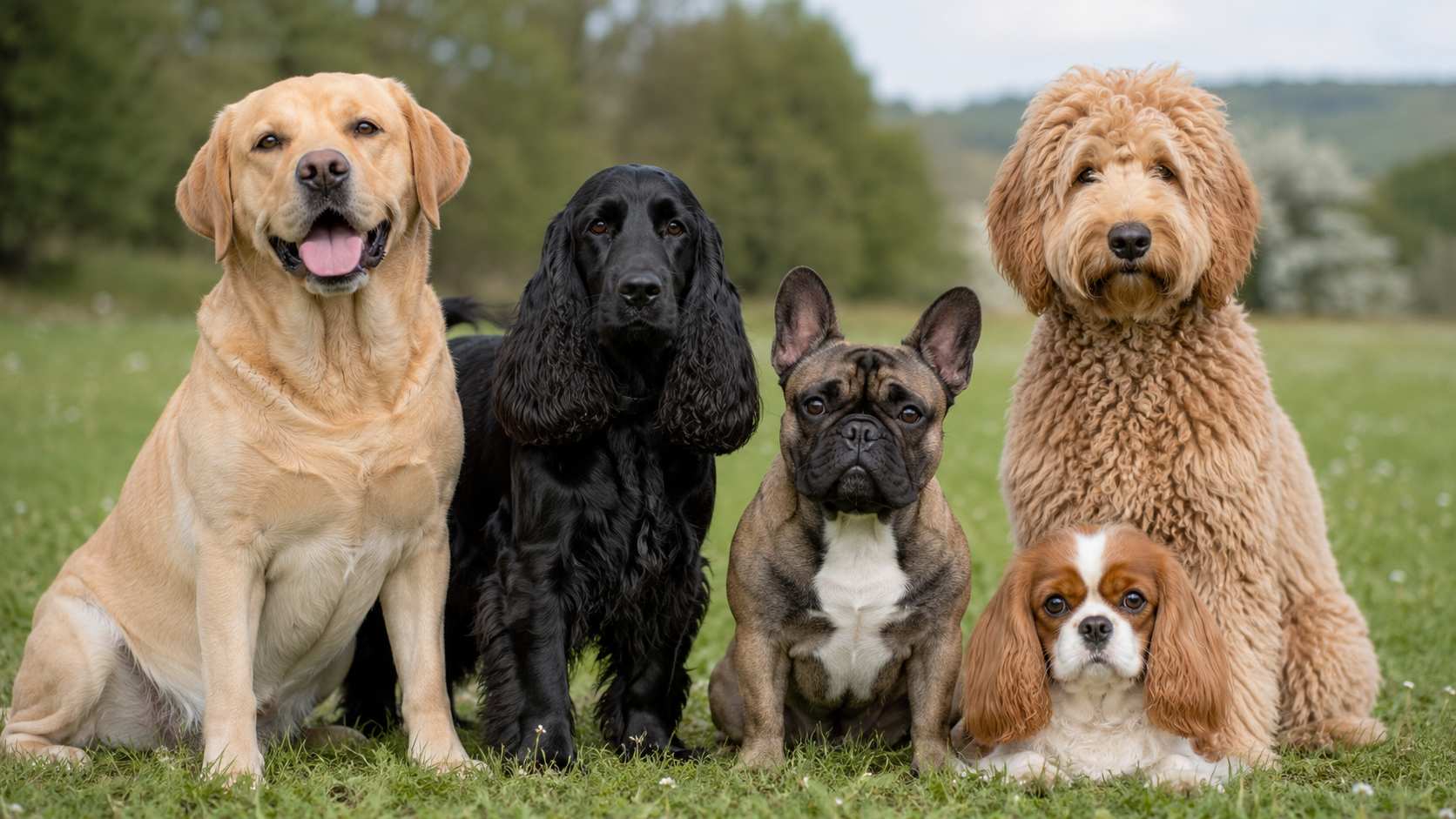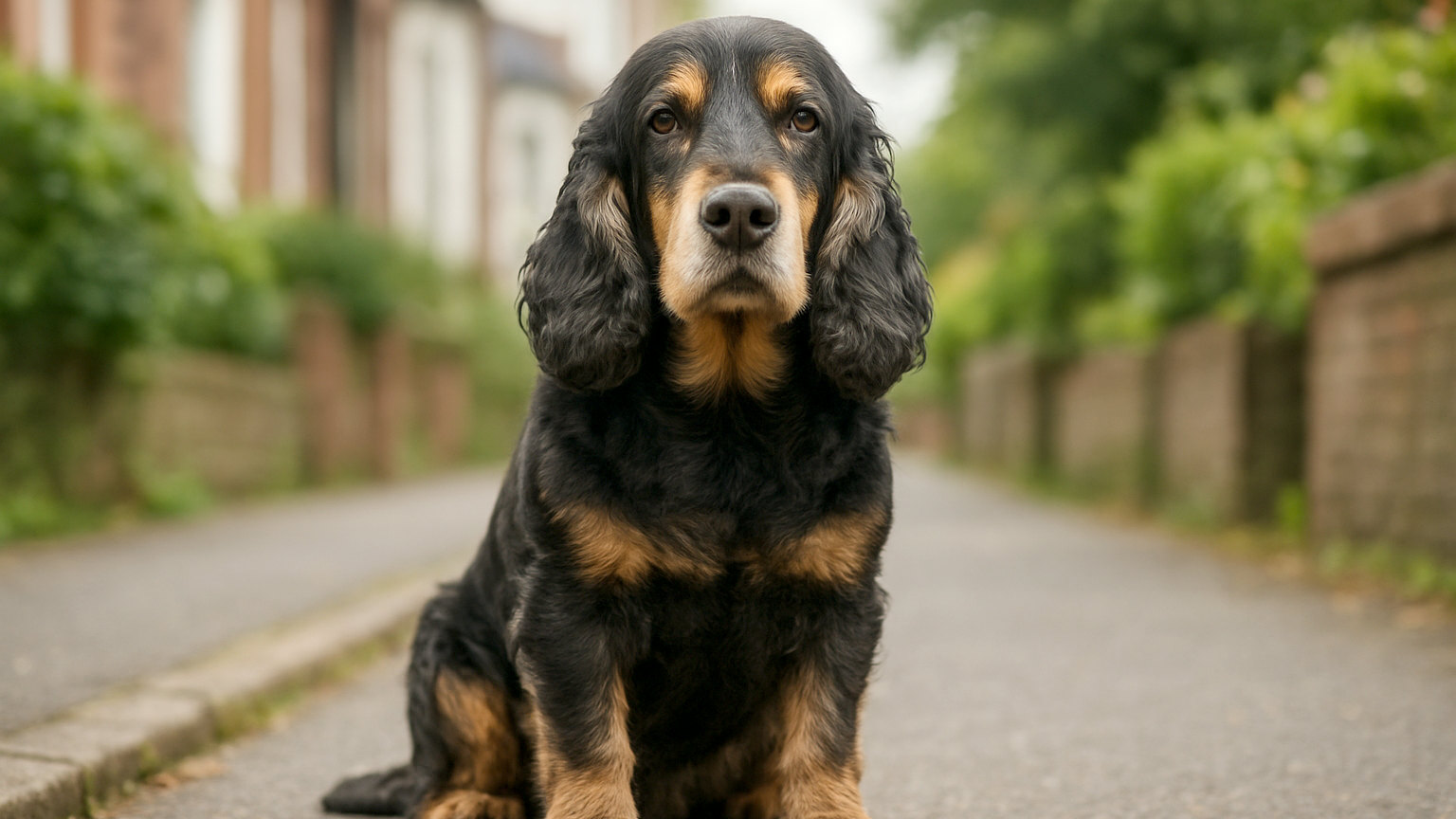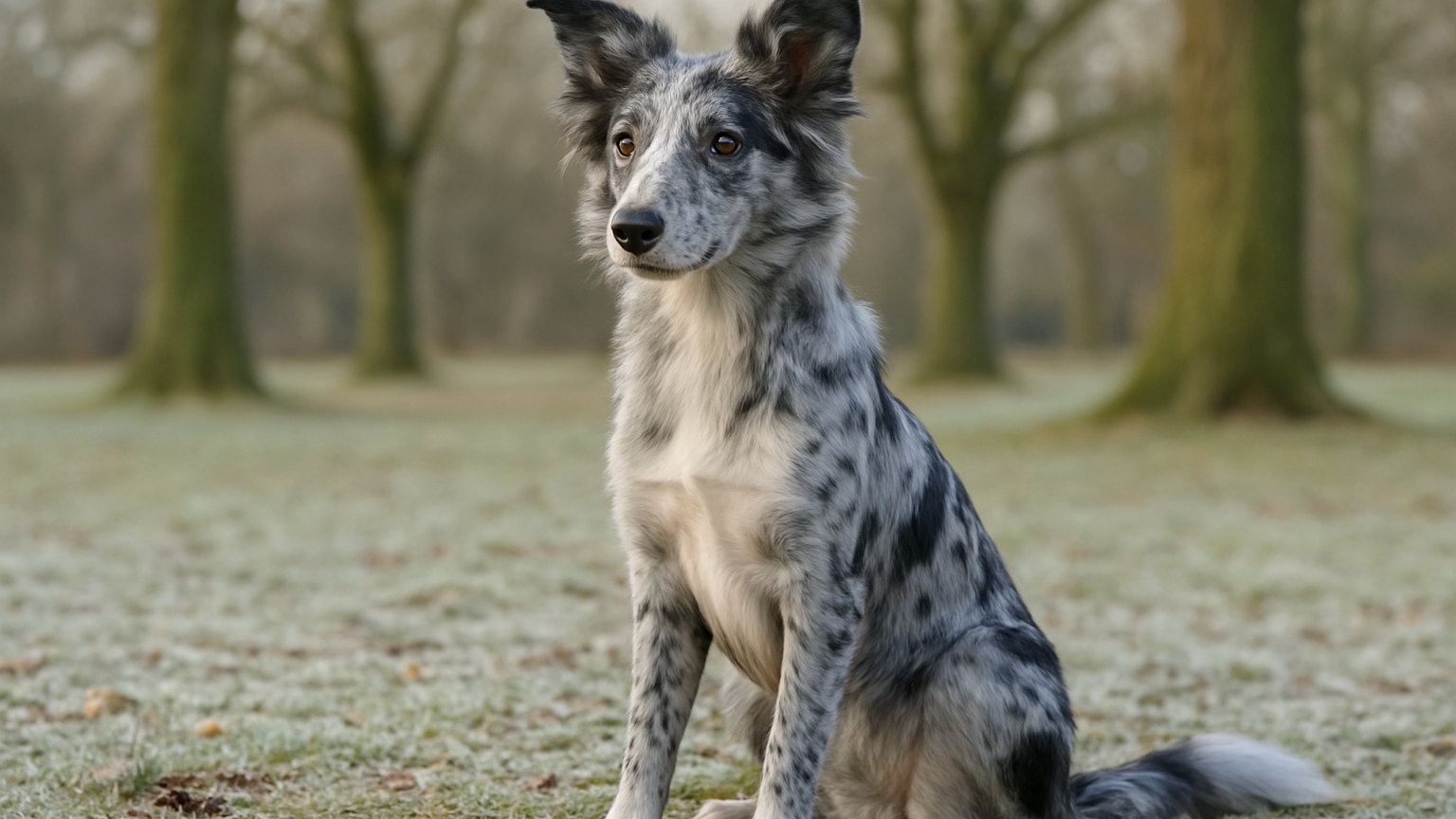
This is one of the most important questions a prospective owner can ask and one of the least honestly answered. Every breed is described somewhere as adaptable, and adaptable is not the same as content to be alone for eight hours.
What is the realistic limit?
Most guidance suggests four hours as a maximum for an adult dog, and welfare organisations generally recommend not leaving a dog alone longer than that on a regular basis.
Puppies need far less. A young puppy cannot hold its bladder for more than an hour or two and should not be left for extended periods at all during the first months.
A full working day is beyond what any breed should routinely manage. If that is your situation, the answer is a walker, day care, or a household member at home rather than a particular breed.
Which medium breeds tolerate it better?
Sighthounds are usually the most relaxed. Whippets and Greyhounds sleep for most of the day and generally settle well provided they have been properly exercised first.
Basset Hounds and Bulldogs are similarly low-arousal and often cope reasonably. Some Staffordshire Bull Terriers do well, though the breed is strongly people-oriented and varies considerably.
Shetland Sheepdogs and Standard Poodles can manage with good preparation, but both are intelligent and need something to occupy them.
Which struggle most?
Spaniels of every kind. Cockers and Springers were bred to work alongside a handler continuously and are frequently described as velcro dogs. Separation problems are common in both.
Border Collies struggle for a different reason: an unoccupied working dog becomes destructive rather than distressed, though the two often overlap. Beagles are pack animals and bay loudly when left, which brings neighbours into the problem.
Any breed can develop separation anxiety, and it is not confined to needy breeds.
How do you build independence?
Start from the first week, deliberately and in tiny increments. Leave the room for a few seconds while the dog is settled, return before it becomes worried, and build gradually. The measure is the dog staying relaxed, not the clock.
Avoid dramatic departures and reunions. Leaving quietly and returning without fuss keeps the whole thing unremarkable.
Give the dog something to do as you go: a stuffed feeder or chew creates a positive association and occupies the first crucial minutes. Exercise before leaving, so the dog is ready to sleep rather than to start the day.
What are the warning signs?
Barking or howling shortly after you leave, destruction focused on doors and windows, toileting indoors in an otherwise clean dog, drooling, pacing or refusing food while alone.
A camera is the most useful diagnostic tool available, because most owners have no idea what happens in the first twenty minutes. Many dogs settle within five; others never do.
What if a problem has already developed?
Treat it as panic rather than misbehaviour, because that is what it is. Punishment makes it worse, and crating a distressed dog usually intensifies it rather than providing security.
Go back to seconds rather than minutes and rebuild slowly, ideally without leaving the dog longer than it can currently cope with. This frequently means arranging cover during the retraining period. For established cases, a vet referral to a qualified behaviourist is the right route, and medication is sometimes appropriate alongside behavioural work.
Does a second dog help?
Sometimes, but it is a risky solution and frequently disappoints. A dog with genuine separation anxiety is usually attached to a person rather than lonely in general, and adding a companion does not address that.
There is also a real chance the second dog learns the behaviour from the first, leaving you with two dogs barking instead of one.
Where a dog is simply bored rather than distressed, company can genuinely help. Working out which of the two you are dealing with, ideally with a camera, should come before any decision to add another dog.