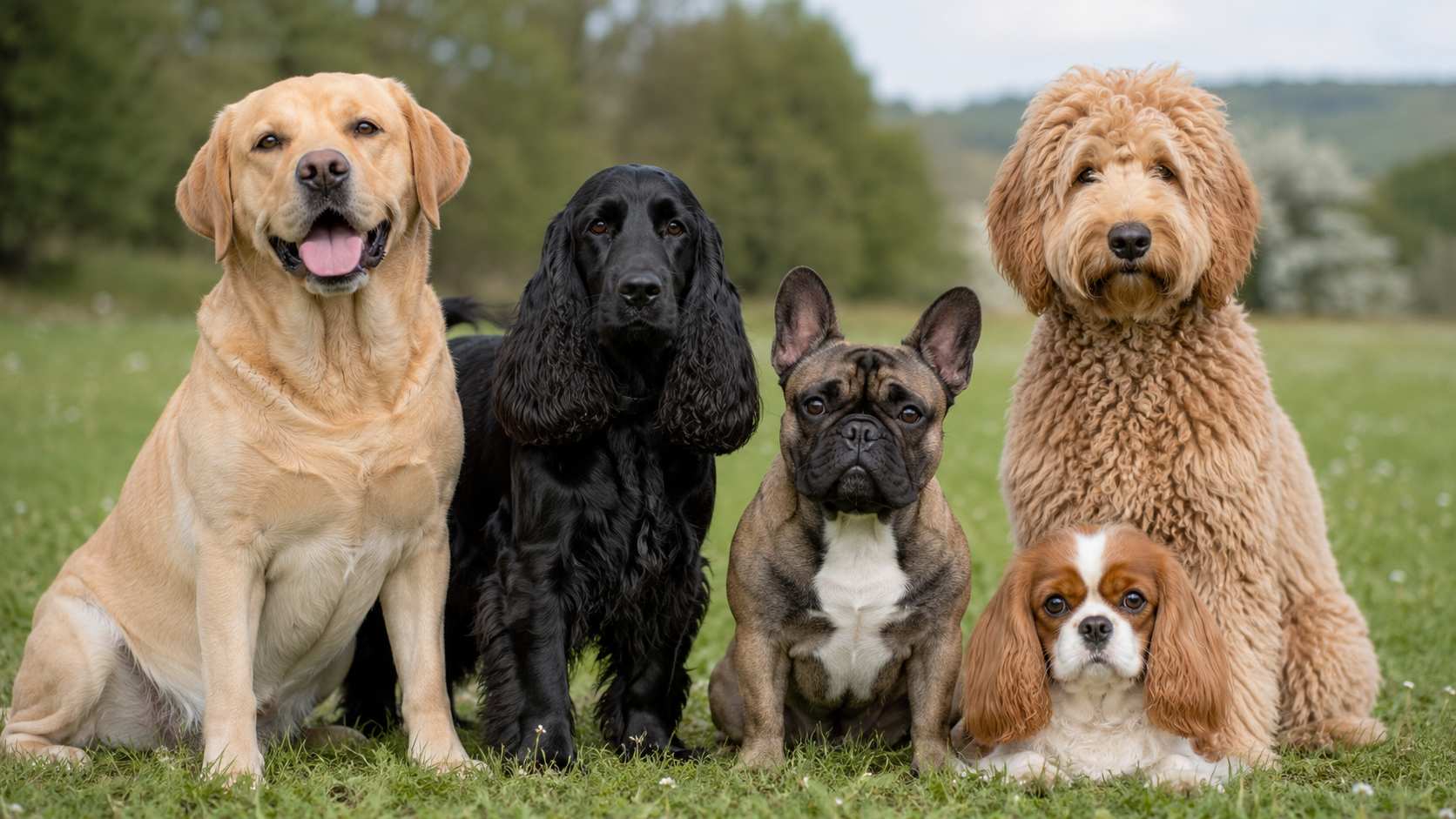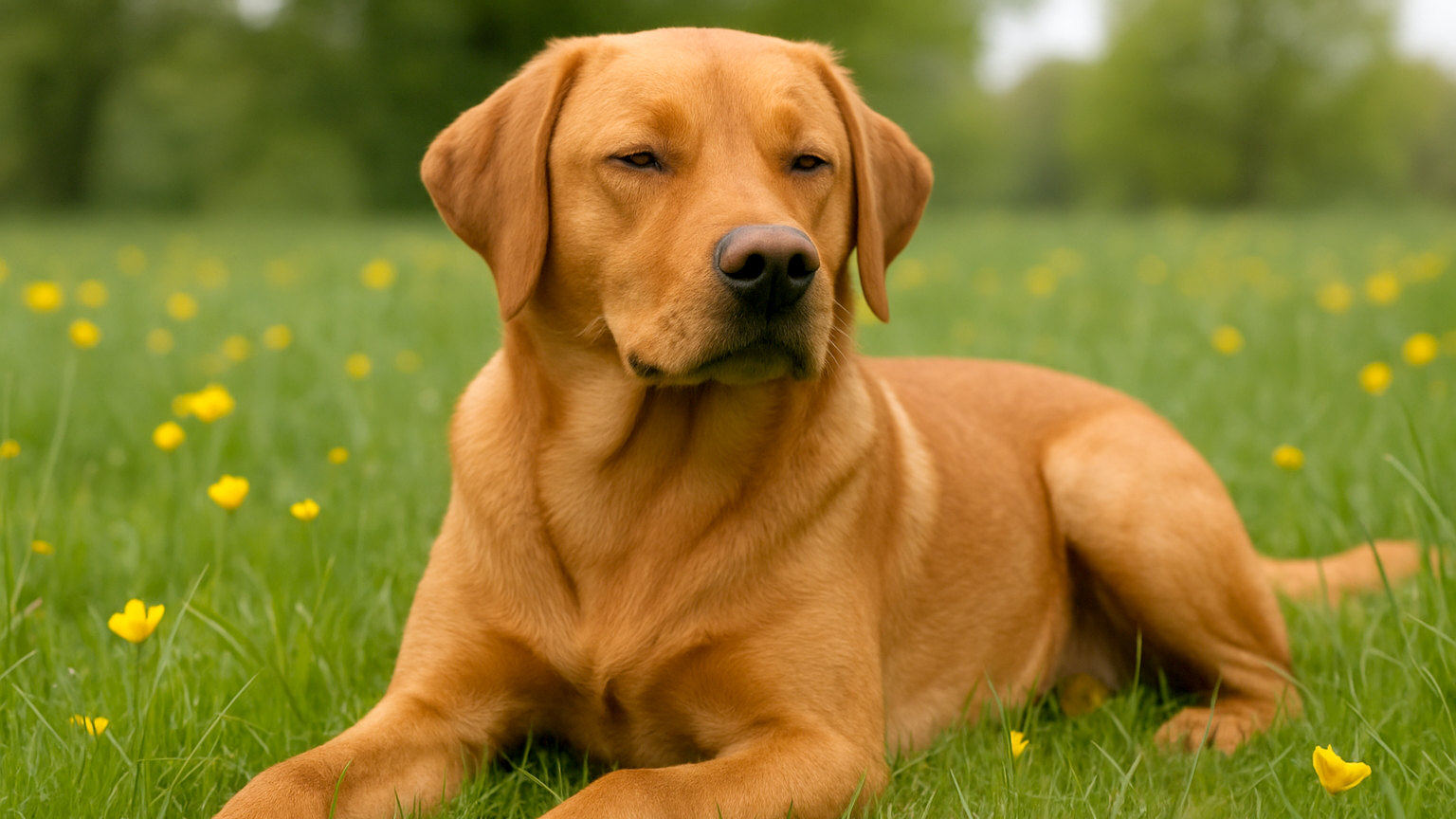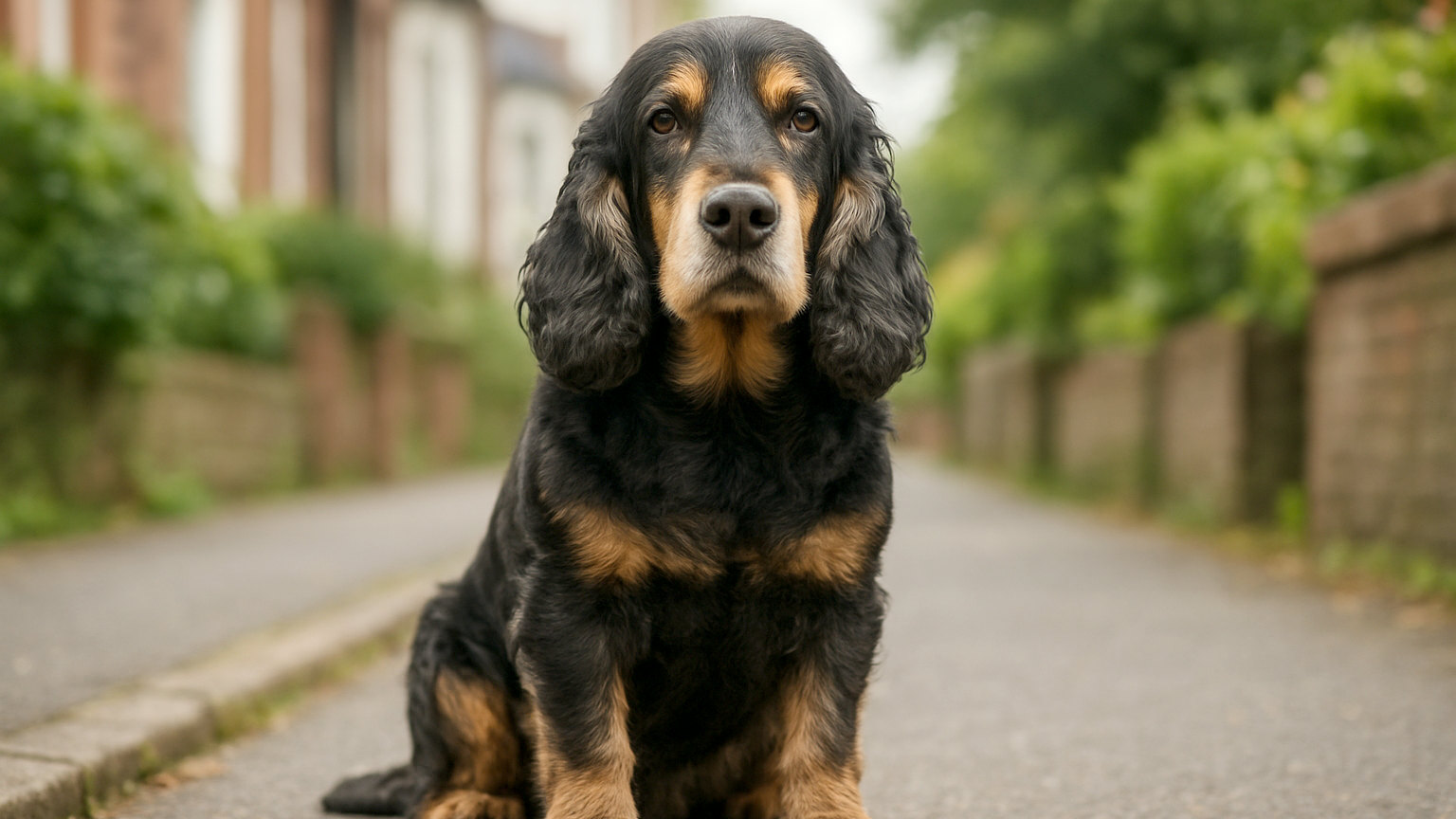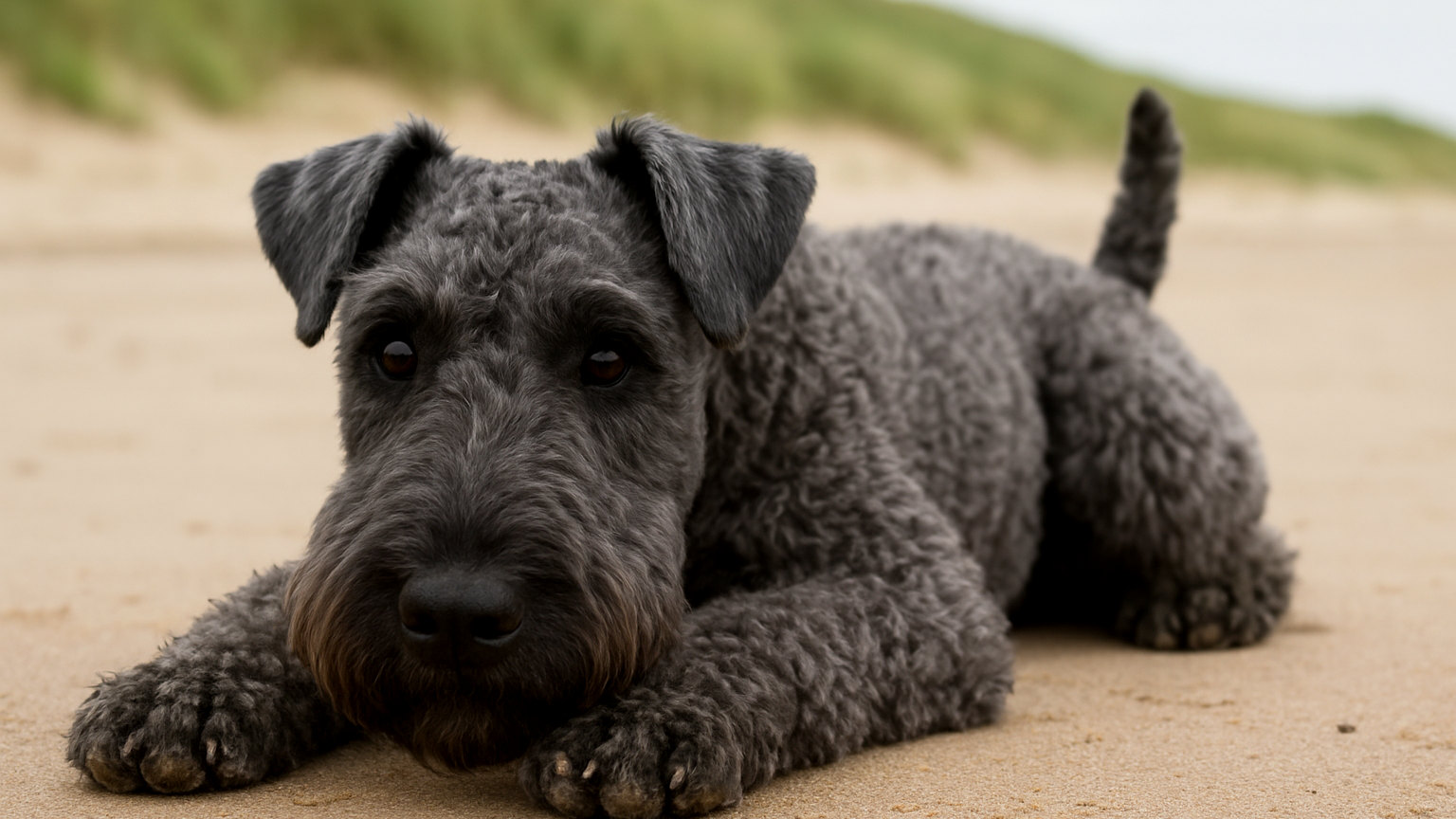
Shedding is one of the most common deal-breakers when people choose a dog, and several medium breeds shed very little. What is less often explained is that a coat which does not shed still grows continuously.
Which medium breeds shed least?
Standard and miniature Poodles are the benchmark. The curly coat traps loose hair rather than dropping it, and they shed almost nothing.
Portuguese Water Dogs, Lagotto Romagnolo, Soft Coated Wheaten Terriers and Bedlington Terriers all shed minimally. Standard Schnauzers and Miniature Schnauzers at the upper end of small have wiry coats that drop very little.
Among crossbreeds, Cockapoos, Labradoodles and Cavapoos frequently shed lightly, though this is not guaranteed. Coat type varies within a single litter, so a particular puppy may shed considerably more than its sibling.
Does low shedding mean fewer allergy problems?
Sometimes, but no dog is genuinely hypoallergenic. Reactions are usually to proteins in dander, saliva and urine rather than to hair, and every dog produces those.
A low-shedding coat holds dander in the coat rather than distributing it around a room, which reduces exposure for many people without eliminating the allergen. Anyone choosing on this basis should spend extended time with the specific dog more than once before committing.
What does a non-shedding coat cost?
More time and money than a shedding one. Hair that would otherwise fall out stays in the coat and mats, and matted fur is painful rather than untidy.
Expect brushing several times a week, and daily for curly coats. Professional grooming every six to ten weeks is standard, and the annual cost for a medium curly-coated dog frequently exceeds what the same owner spends on food.
A neglected coat has to be clipped off rather than brushed out, because working through tight matting hurts. Groomers see this constantly and it is entirely avoidable.
Which areas mat first?
Behind and under the ears, in the armpits, on the belly, around the collar and between the back legs. These are friction points and need specific attention rather than a brush over the back.
Use a slicker brush and a metal comb rather than a soft bristle brush, which glides over the surface without reaching the layer where mats form. Comb through to the skin and check the friction points every time.
Are there easier alternatives?
If the real goal is minimal work rather than minimal hair, a short smooth coat beats both. Whippets, Staffordshire Bull Terriers, Beagles and smooth-coated Bulldogs all shed but need almost no grooming.
Whippets in particular shed lightly, need virtually no coat care and have little doggy odour, which makes them a strong choice for anyone whose real objection is effort rather than hair.
Which shedding breeds are hardest?
Double-coated breeds that blow their coat seasonally. Border Collies, Shetland Sheepdogs and Bearded Collies all drop enormous quantities twice a year and need daily brushing through a moult.
Never shave a double coat to reduce shedding. The undercoat insulates against heat as well as cold, and clipping it can damage regrowth permanently. Brushing out the dead undercoat is the correct approach.
Whatever the coat, introduce grooming as a calm routine from the first week. A dog that tolerates handling is cheaper and easier to maintain for life.
How do you reduce shedding in a coated breed?
Brushing is the only method that genuinely works, because you are removing hair before it lands on the furniture rather than after. Frequency matters more than the length of each session.
Diet plays a smaller part than marketing suggests, though a poor coat can reflect poor nutrition or an underlying skin problem. Excessive shedding that comes with itching, bald patches or scurf is a veterinary matter rather than a grooming one.
Regular bathing helps loosen dead undercoat before a moult, provided the coat is dried and brushed through properly afterwards.
Whichever coat you choose, start grooming in the first week and keep sessions short and calm. A dog that accepts handling everywhere is cheaper to maintain and far less stressful for everyone involved.