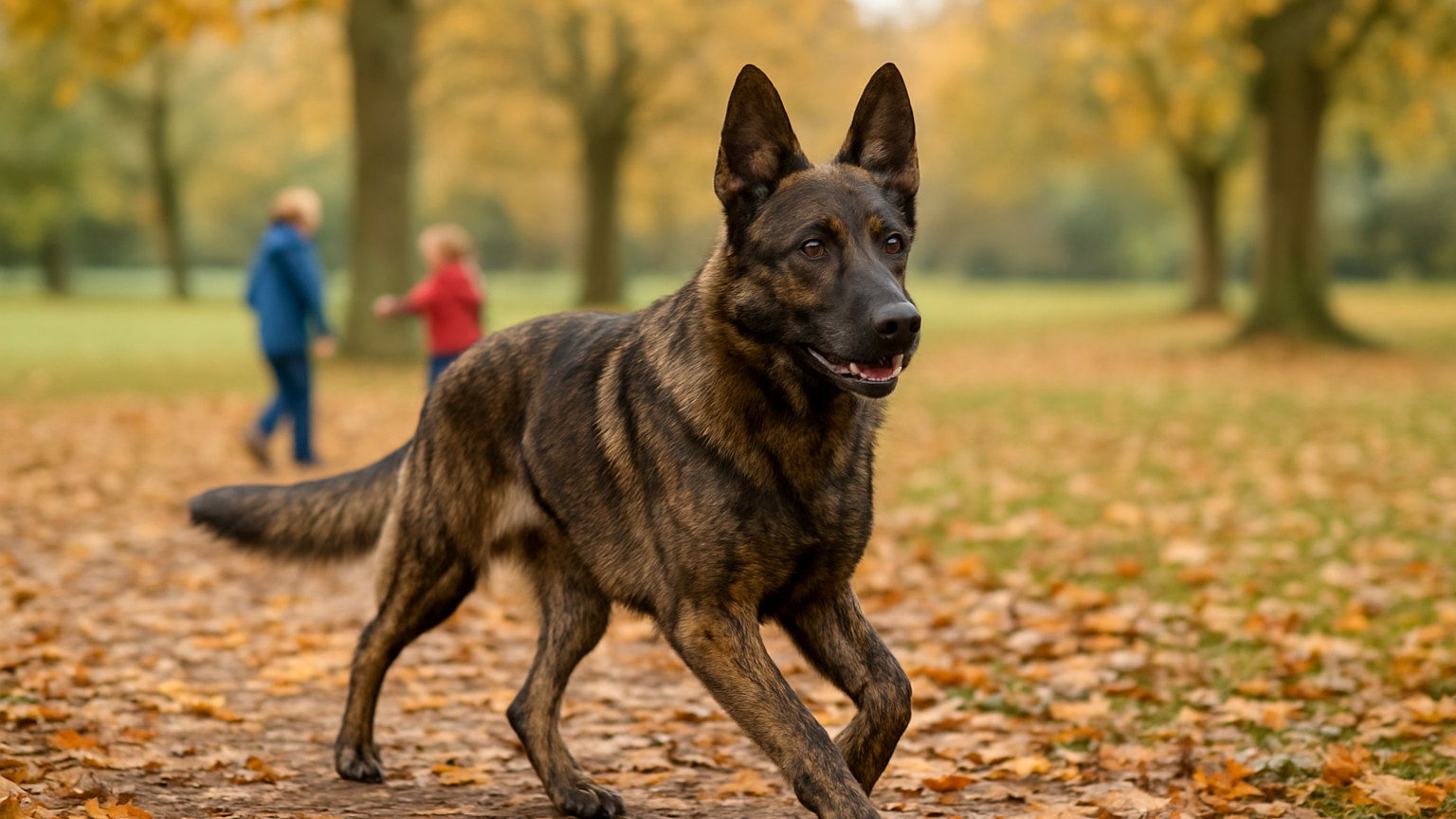
The German Shepherd has been a fixture in British homes for a century, and opinion about the breed as a family dog is unusually divided. Both positions have merit, and the difference between them is almost entirely down to how the dog is raised.
What is the temperament actually like?
German Shepherds were bred to herd and later to work with police and military handlers. That selection produced a dog that is intelligent, confident, highly trainable and strongly bonded to its household. They are typically devoted to their own family and naturally watchful of strangers.
That watchfulness is the crux. A well-socialised Shepherd is discerning: alert to something genuinely unusual and relaxed about the postman. A poorly socialised one treats every visitor, delivery and passing dog as a threat, and a large, powerful, reactive dog is a serious problem in a family home.
How important is early socialisation?
More than for most breeds. The critical window closes at around sixteen weeks, and what happens in it shapes how the adult dog interprets the world. A Shepherd puppy needs calm, positive exposure to visitors, traffic, other dogs, children, handling, and household noise during that period.
This has to continue through adolescence. Many Shepherds become more suspicious between eight and eighteen months, and owners who stop socialising once the puppy classes finish often find the dog they have at two is not the one they had at six months.
Are they good with children?
Frequently very good, with two caveats. They are large and powerful, so an enthusiastic adolescent can knock a small child over without any bad intent. And the herding heritage means some Shepherds chase and nip at running children, which is instinct rather than aggression but needs redirecting early.
Teach children to leave the dog alone when it is on its bed, eating or asleep, and give the dog a place it can retreat to. Supervise properly rather than relying on the dog's tolerance.
How much exercise and training do they need?
Around two hours a day for an adult, plus daily mental work. Shepherds thrive with a job, and obedience, tracking, scent work and protection sports all suit them. A Shepherd without an outlet frequently invents one, usually involving barking, digging or patrolling.
Training should be reward-based and consistent. These are sensitive dogs despite their appearance, and harsh handling produces defensiveness rather than reliability.
What health problems affect the breed?
Hip and elbow dysplasia are the well-known concerns, and both parents should be scored. Degenerative myelopathy, a progressive spinal cord disease, has a DNA test. The breed is also prone to bloat, exocrine pancreatic insufficiency and certain skin and digestive problems.
Avoid dogs bred with a severely sloping back and heavily angled hind legs, which has been a controversial show trend and is associated with mobility problems. Look for a level topline and sound movement.
Who suits the breed?
Experienced, active owners who enjoy training and will keep socialising for the first two years. They shed heavily year-round, need space, and cost a fair amount to feed and insure. For a household prepared for that, they are among the most rewarding dogs available.
Should you choose a working or show line?
Working-line German Shepherds are bred for drive, stamina and sharpness, and are frequently too much dog for a pet home. They need serious daily work and clear handling, and they are the source of many rehoming cases where owners expected a family companion.
Show lines are generally softer and lower in drive, though conformation varies and some show breeding has produced exaggerated rear angulation associated with mobility problems. Look for a dog that stands and moves soundly, with a level back, whichever line it comes from.
Whichever line you choose, budget for training. A German Shepherd taken through structured classes and kept socialised into adulthood is a genuinely superb family dog. One that has not been is a large, powerful animal making its own decisions about who counts as a threat.