Few subjects in the dog world generate as much heat as flat-faced breeds. Pugs, French Bulldogs, Bulldogs, Boxers, Shih Tzus and Boston Terriers all fall into this group, and understanding the argument helps you make a better decision either way.
What does brachycephalic mean?
It describes a skull that has been shortened front to back, producing the flat face these breeds are known for. The complication is that while the bone has been shortened by selective breeding, the soft tissue inside has not reduced proportionally.
The result is the same quantity of tissue packed into a smaller space. Nostrils may be narrowed, the soft palate can be too long for the airway, and the windpipe is sometimes narrowed. Collectively this is brachycephalic obstructive airway syndrome.
What problems does this cause?
Breathing difficulty is the central one. Snoring, snorting, noisy breathing and tiring quickly are common and are frequently described as breed traits, when they are more accurately signs of obstruction. Many affected dogs need surgery to widen the nostrils and shorten the palate.
Dogs cool themselves primarily by panting, so a compromised airway makes heat regulation inefficient. Flat-faced breeds overheat far more readily and are over-represented in heatstroke cases every summer.
The shortened skull also affects the eyes, which sit in shallower sockets and are more exposed to injury and ulceration. Skin folds trap moisture and become infected. Crowded teeth in a shortened jaw cause dental disease. Many of these breeds also have high caesarean rates because puppies' heads are large relative to the birth canal.
Why is this controversial rather than settled?
Because the breeds themselves are genuinely lovely. Pugs are affectionate, comic and adaptable, and owners rightly resent the implication that they are cruel for having one. The criticism is aimed at breeding for exaggerated features, not at the dogs or the people who love them.
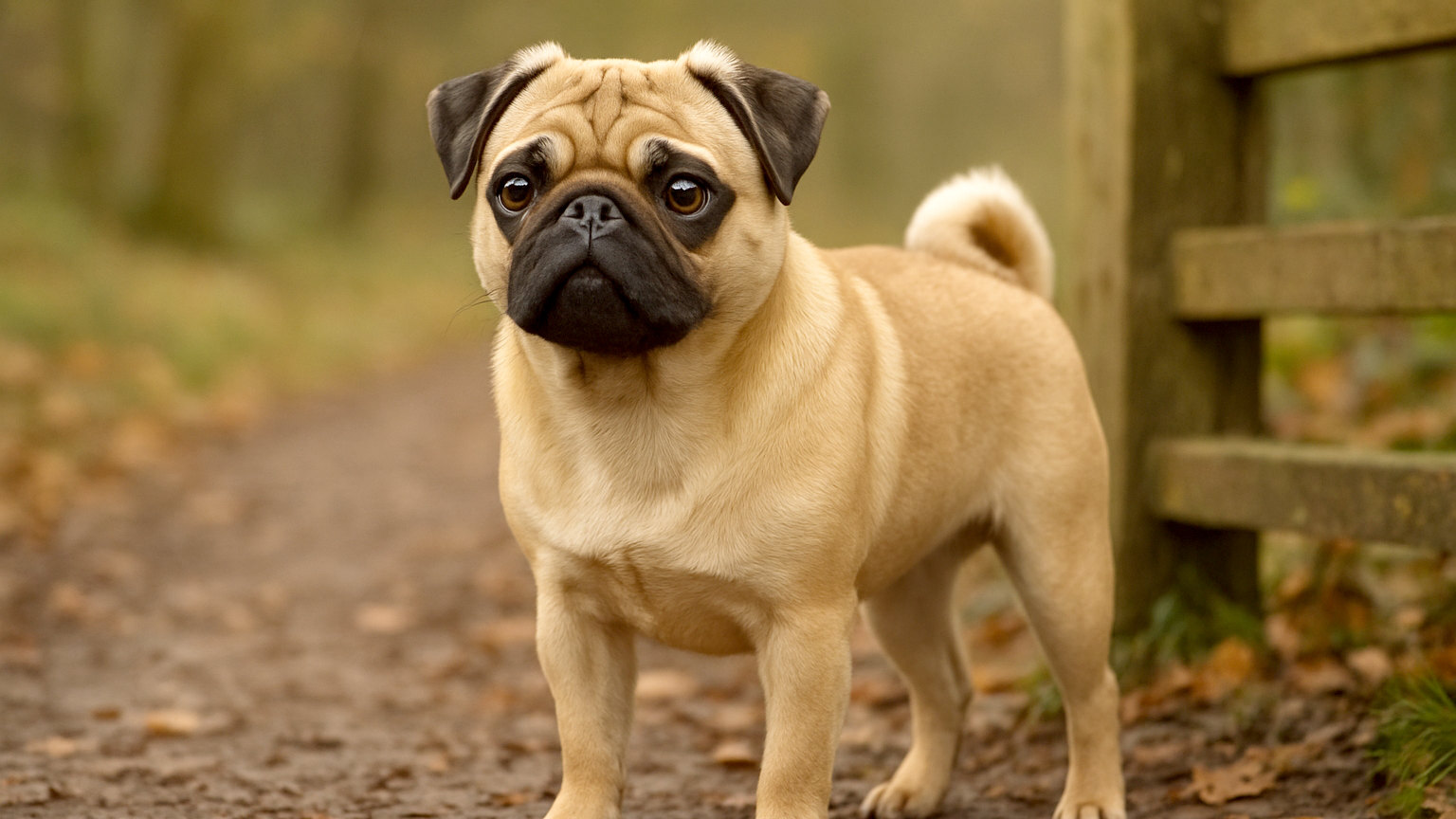
There is also a spectrum. Not every flat-faced dog struggles, and severity varies considerably with how extreme the individual's conformation is. A Pug with visibly open nostrils and some muzzle length is in a different position from one bred for the flattest possible face.
What has changed recently?
Veterinary bodies and welfare organisations have campaigned for moderation, and registrations of some flat-faced breeds have fallen after years of rapid growth. Breed standards have been revised to discourage extremes, and some judges now penalise dogs with breathing noise in the ring.
A Respiratory Function Grading Scheme exists for several breeds, assessing breathing under mild exercise and grading the dog. It is one of the more useful tools available to a buyer.
What should you look for if you want one?
Prioritise moderation. Look for visible, open nostrils, some definable muzzle rather than a completely flat face, and a dog that breathes quietly at rest. Ask for the parents' respiratory grading, and ask whether either parent has had airway surgery.
Avoid breeders advertising extreme features or rare colours, which frequently come with additional health problems. Consider rescue, where an adult dog's breathing is already visible.
Insure early and comprehensively, keep the dog lean, avoid exercise in warm weather, and use a harness rather than a collar to reduce pressure on the airway.
Are flat-faced breeds being banned?
Not in the UK. There is no ban and none has been proposed, though veterinary bodies have called for breeding to move away from extreme features and some campaigns have asked advertisers to stop using flat-faced dogs in marketing.
Some European countries have introduced restrictions on breeding dogs with very short muzzles, and the broad direction of travel across Europe is towards tighter regulation of exaggerated conformation. Anyone buying a puppy now should assume scrutiny will increase rather than decrease.
The practical implication for a buyer is straightforward: choosing a moderately built dog from tested parents protects you from both the health costs and any future regulatory change.
None of this makes a Pug a bad dog or its owner a bad person. It makes conformation a question worth asking carefully before buying, and one the breed name alone cannot answer on your behalf.