A dog offers company, routine and a reason to get outside every day, all of which matter more as people get older. Choosing well means thinking about the next ten years rather than only the first few months.
Which breeds tend to suit?
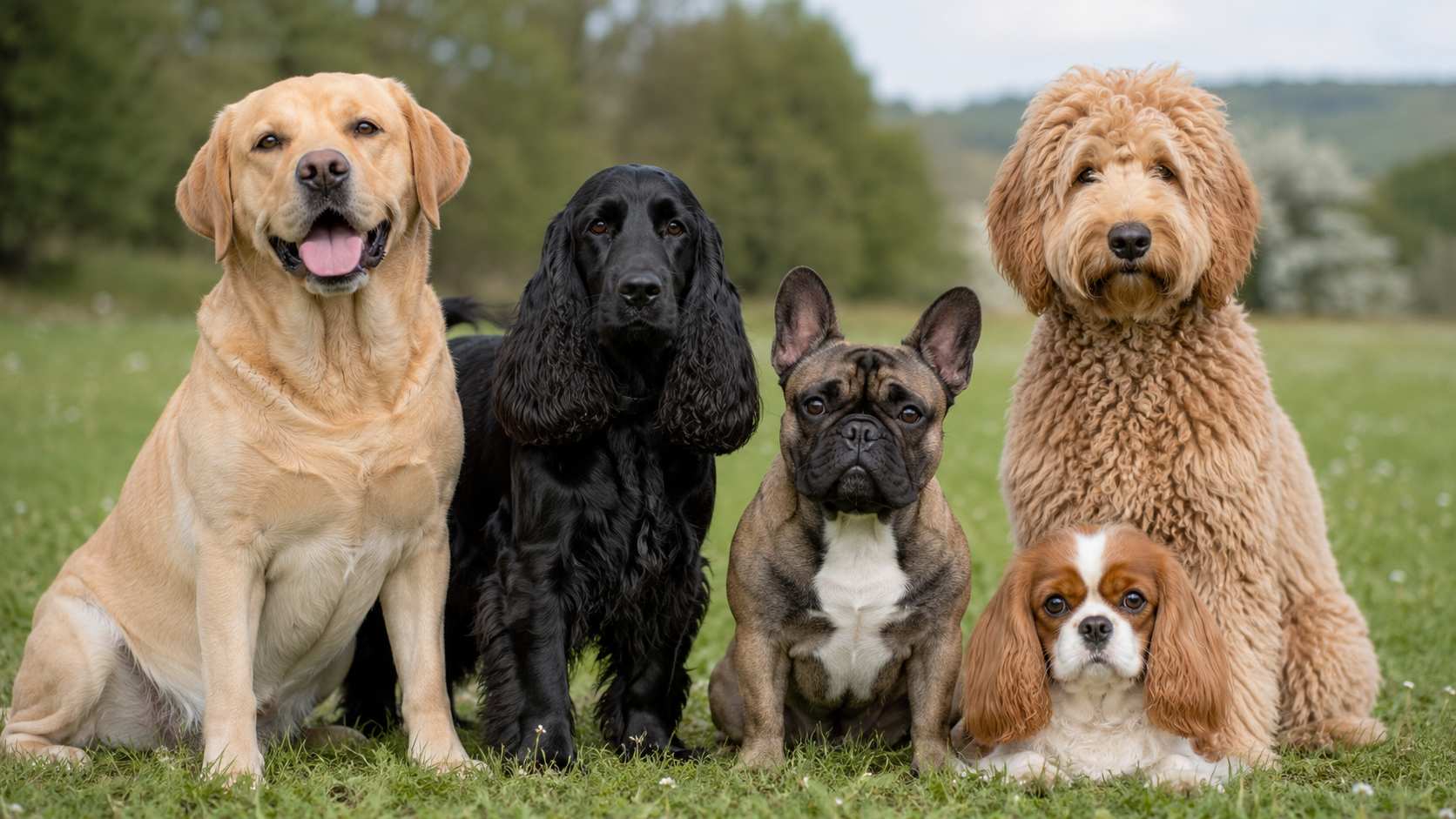
Cavalier King Charles Spaniels are frequently recommended: small, affectionate, calm and happy with moderate walks. The breed's heart and neurological problems are a real consideration, so research the lines and insure early.
Bichon Frise, Havanese and Maltese are gentle, sociable and adaptable, though all need regular grooming. Shih Tzus are calm and undemanding in exercise terms with the same coat caveat.
Miniature Poodles are worth considering for anyone who enjoys training, being bright, low shedding and eager to please. Greyhounds are an unexpected but excellent option: quiet, gentle, low energy indoors and usually available as settled adults from rescue.
What matters more than breed?
Strength on the lead is the first thing. A small dog that pulls hard can still unbalance someone, and a fall matters far more at seventy than at thirty. A dog already trained to walk on a loose lead is worth a great deal, as is a well-fitted harness.
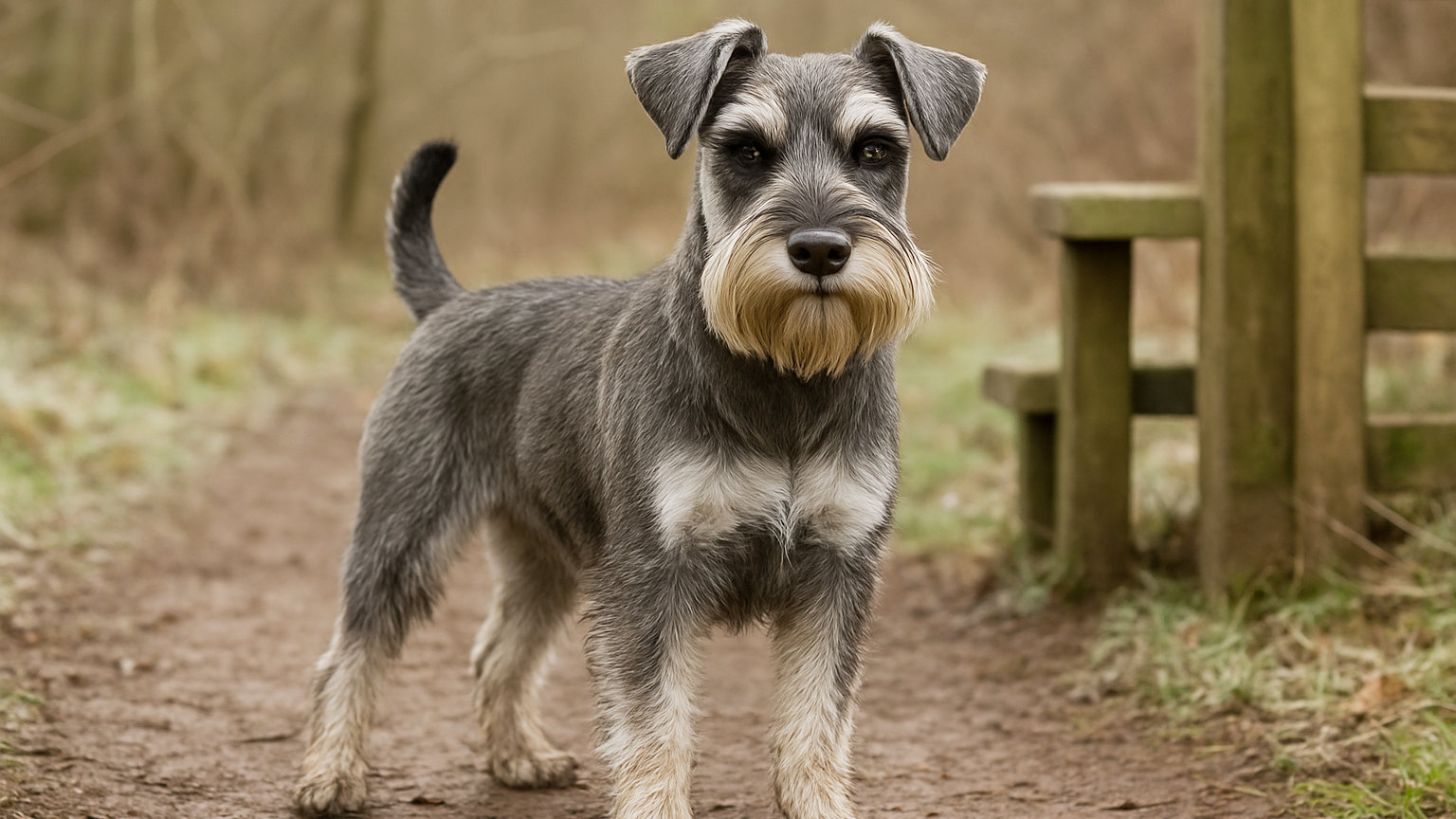
Energy level is the second. A busy terrier needing an hour of activity plus mental work is a poor match for someone wanting two gentle walks a day. Match the dog to the walking you will actually do in winter.
Grooming is the third, and it is frequently overlooked. Brushing a long-coated dog several times a week requires dexterity and shoulder mobility, and trips to a groomer require transport.
Why is an adult dog usually better than a puppy?
Because almost everything difficult about dog ownership is concentrated in the first year. Puppies need feeding several times a day, toilet training with night-time trips outside, constant supervision, and they bite, chew and have enormous bursts of energy.
An adult from rescue is typically toilet trained, past the destructive stage and settled in temperament. Crucially, its size, coat, energy and behaviour are already visible rather than predicted.
Rescue centres are experienced at matching dogs to quieter homes and will tell you honestly which of their dogs suit a calm household. Several charities run schemes specifically pairing older dogs with older owners.
What practical arrangements should be in place?
Plan for the times you cannot walk the dog. Illness, a hospital stay or a period of reduced mobility will happen, and knowing in advance who will step in removes a great deal of worry.
Some charities offer volunteer dog walking and temporary fostering for owners in hospital. Arranging this before it is needed is far easier than in a crisis.
Think about who would take the dog permanently if necessary. A written arrangement with a family member, or a charity scheme that guarantees rehoming, gives real peace of mind.
What about costs and vet trips?
Budget for insurance, which rises with the dog's age, plus routine care and grooming. Consider how you will get to the vet, since transport becomes a genuine issue without a car.
Choosing a small breed with fewer known health problems reduces the frequency of appointments. Keeping the dog lean and looking after its teeth prevents a considerable share of the trips that do arise.
What about a smaller commitment than a dog?
It is worth considering honestly. Fostering for a rescue charity gives you the company of a dog without a permanent commitment, and expenses including food and vet care are usually covered by the charity.
Several organisations also run schemes matching volunteers with owners who need help walking their dogs, which provides the daily routine and company without ownership.
For someone unsure whether the next decade will allow full-time care, these are genuine options rather than consolation prizes, and rescue centres are always short of foster homes for older, calmer dogs.
Whichever route you choose, take your time. The dogs that work out best for older owners are almost always the ones matched carefully by people who knew both the dog and the household, rather than chosen quickly from a photograph.