Cushing's disease, or hyperadrenocorticism, is an excess of the hormone cortisol. It develops slowly and the changes it causes are easily attributed to getting older.
What causes it?
In the great majority of cases, a small benign tumour of the pituitary gland at the base of the brain, which drives the adrenal glands to overproduce cortisol.
In a minority, a tumour of an adrenal gland itself produces cortisol directly.
A third form is caused by steroid medication given for other conditions, which produces the same effects and resolves when the steroids are gradually withdrawn under veterinary supervision.
What are the signs?
Increased thirst and urination, frequently the first thing owners notice, sometimes with accidents in a previously clean dog.
A marked increase in appetite, often with food stealing and scavenging in a dog that never did before. A pot-bellied appearance caused by weakened abdominal muscles and fat redistribution.
Symmetrical hair loss on the flanks and body, usually without itching, and skin that becomes thin and slow to heal. Excessive panting. Muscle weakness and lethargy.
Recurrent skin and urinary infections are common, since cortisol suppresses the immune response.
Which dogs get it?
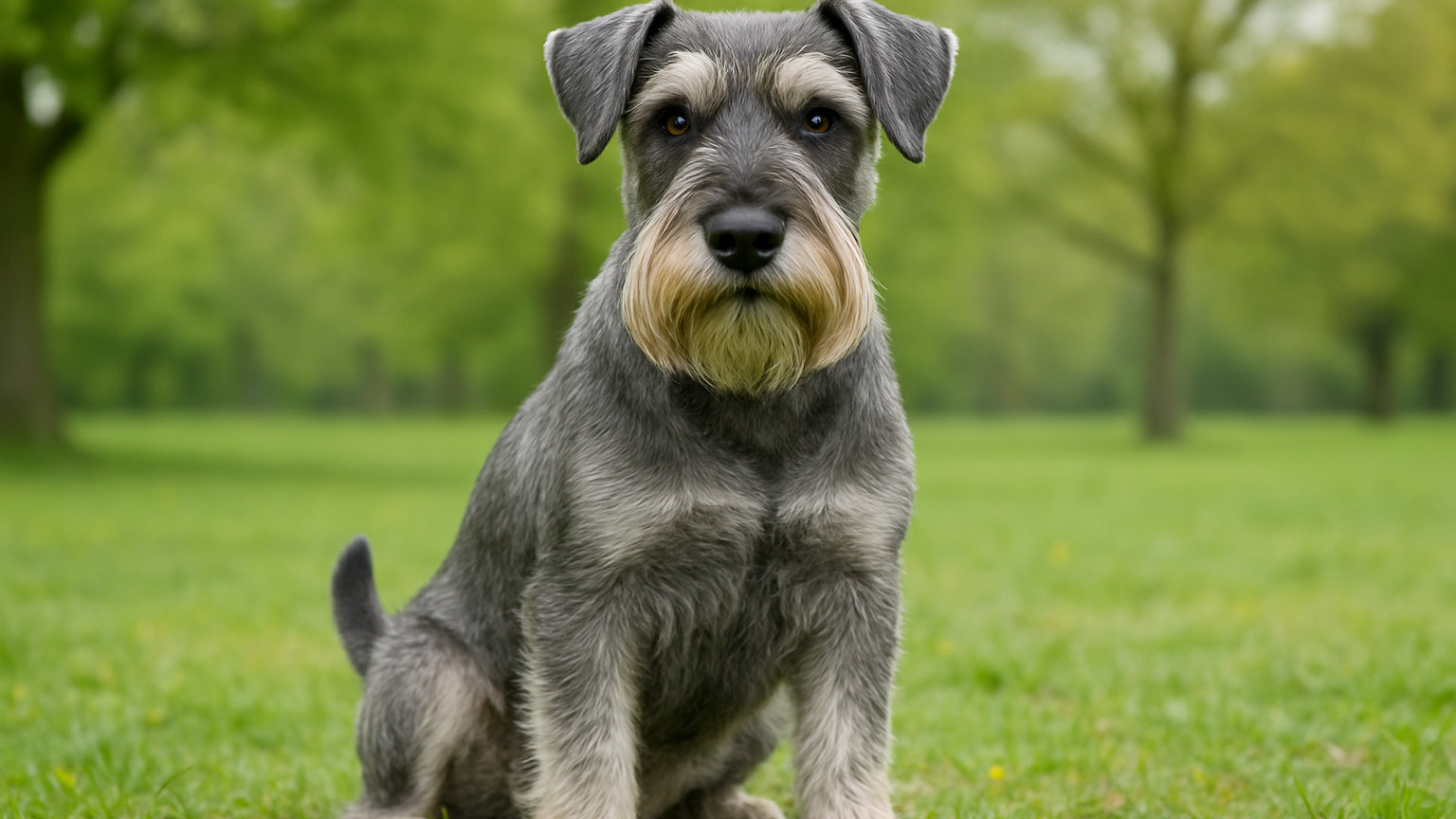
Typically middle-aged to older dogs, most often over six. Small breeds are over-represented, including Poodles, Dachshunds, Yorkshire Terriers and Miniature Schnauzers, though larger breeds are affected too.
How is it diagnosed?
Not straightforwardly, which surprises owners. Routine blood tests often show suggestive changes such as raised liver enzymes, but these are not diagnostic.
Specific dynamic tests are needed, involving blood samples taken before and after an injection, over several hours. More than one test is sometimes required.
Ultrasound of the adrenal glands helps distinguish the pituitary form from the adrenal form, which matters because treatment differs.
Importantly, these tests are unreliable in a dog that is unwell for another reason, so other conditions are usually ruled out first.
How is it treated?
Most commonly with a daily medication that reduces cortisol production, which controls the condition rather than curing it.
Careful monitoring is essential, with blood tests to check the dose, initially frequently and then a few times a year. Too much medication causes cortisol to fall too low, which is dangerous.
Adrenal tumours may be treated surgically in suitable cases. Pituitary tumours are occasionally treated with radiotherapy at referral centres.
What is the outlook?
Generally good with treatment. Many dogs live comfortably for years, and the thirst, appetite and coat changes usually improve substantially within a few months.
Untreated, it increases the risk of diabetes, high blood pressure, blood clots, infections and pancreatitis.
When should you ask about it?
If an older dog is drinking noticeably more, eating ravenously, losing hair symmetrically, panting excessively or developing a pot belly.
Measure water intake over a couple of days before the appointment, since a figure is far more useful than an impression.
What should owners monitor?
Water intake, measured properly rather than estimated, since a falling figure is one of the clearest signs treatment is working.
Appetite, energy, coat regrowth and abdominal shape. Keep a simple record, as improvement is gradual and easy to miss day to day.
Watch for signs of cortisol falling too low, including vomiting, diarrhoea, weakness, refusing food and collapse. These need immediate veterinary attention and the medication stopping until advised.
How long does treatment continue?
For life in most cases, with regular monitoring. This is a condition that is controlled rather than cured, and stopping medication allows cortisol levels to rise again.
Costs include the medication itself plus periodic blood testing, which is worth budgeting for as an ongoing expense.
Where the cause is steroid medication given for another condition, the situation is different: the steroids are reduced gradually under veterinary supervision and the signs usually resolve. Never stop steroid medication abruptly.
Cushing's is slow, insidious and easily mistaken for old age. If several of these changes are present together in an older dog, it is worth asking about specifically rather than waiting for it to be raised.