This is one of the few symptoms where the distinction between urgent and routine is absolute, and it comes down to whether urine is actually being produced.
When is it an emergency?
When the dog strains repeatedly and produces nothing, or only a few drops. This suggests an obstruction, and it is a genuine emergency.
A blocked bladder cannot empty, pressure builds back to the kidneys, toxins accumulate in the blood and the bladder can rupture. Dogs can die within twenty-four to forty-eight hours.
Male dogs are far more at risk because the urethra is longer and narrower, and stones lodge more easily.
Signs include repeated posturing, crying out, a tense painful abdomen, restlessness, vomiting and lethargy. Ring a vet immediately.
What if urine is being produced?
Still worth an appointment but less immediately dangerous. Frequent small amounts, straining, urgency and accidents in a house-trained dog usually indicate cystitis or a urinary tract infection.
Blood in the urine is common with these and is not itself an emergency provided the dog is otherwise well and passing urine normally.
Book within a day or two, since infections are uncomfortable and can ascend to the kidneys if untreated.
What causes it?
Urinary tract infections, which are more common in bitches. Bladder stones, which cause irritation and can obstruct.
Crystals in the urine, often related to diet and urine concentration. Prostate problems in older entire male dogs, causing straining to both urinate and defecate.
Bladder inflammation, tumours in older dogs, and occasionally injury or neurological problems affecting bladder function.
How do you tell it from constipation?
Owners frequently confuse the two, since the posture looks similar. Watch closely and note whether the dog is squatting or lifting a leg, and whether anything is produced.
Straining to pass faeces is usually accompanied by other digestive signs. Straining to urinate typically involves repeated posturing over a short period.
If you cannot tell, describe exactly what you are seeing rather than interpreting it, and treat producing nothing as urgent either way.
How do you collect a urine sample?
It is genuinely useful and saves time at the appointment. Use a clean shallow container, such as a plastic tray or a soup ladle taped to a cane, and slide it under the dog mid-flow.
First thing in the morning gives the most concentrated and informative sample. Transfer it into a clean sealed pot and keep it refrigerated if you cannot get it there within an hour or two.
Do not use a sample from the floor or a puddle, as contamination makes it unreliable. Practices will supply a sterile pot on request.
What should you watch for afterwards?
Whether the dog is urinating normally, how often, and whether blood clears. Recurrent infections need investigating rather than repeatedly treating, since stones or an underlying condition may be driving them.
How can you reduce the risk?
Ensure constant access to fresh water, since dilute urine reduces crystal formation. Increasing wet food raises fluid intake usefully.
Allow frequent toilet opportunities rather than long periods holding on. Follow any prescribed therapeutic diet precisely, since these work by altering urine chemistry and lapses undo the benefit.
Are some dogs more at risk?
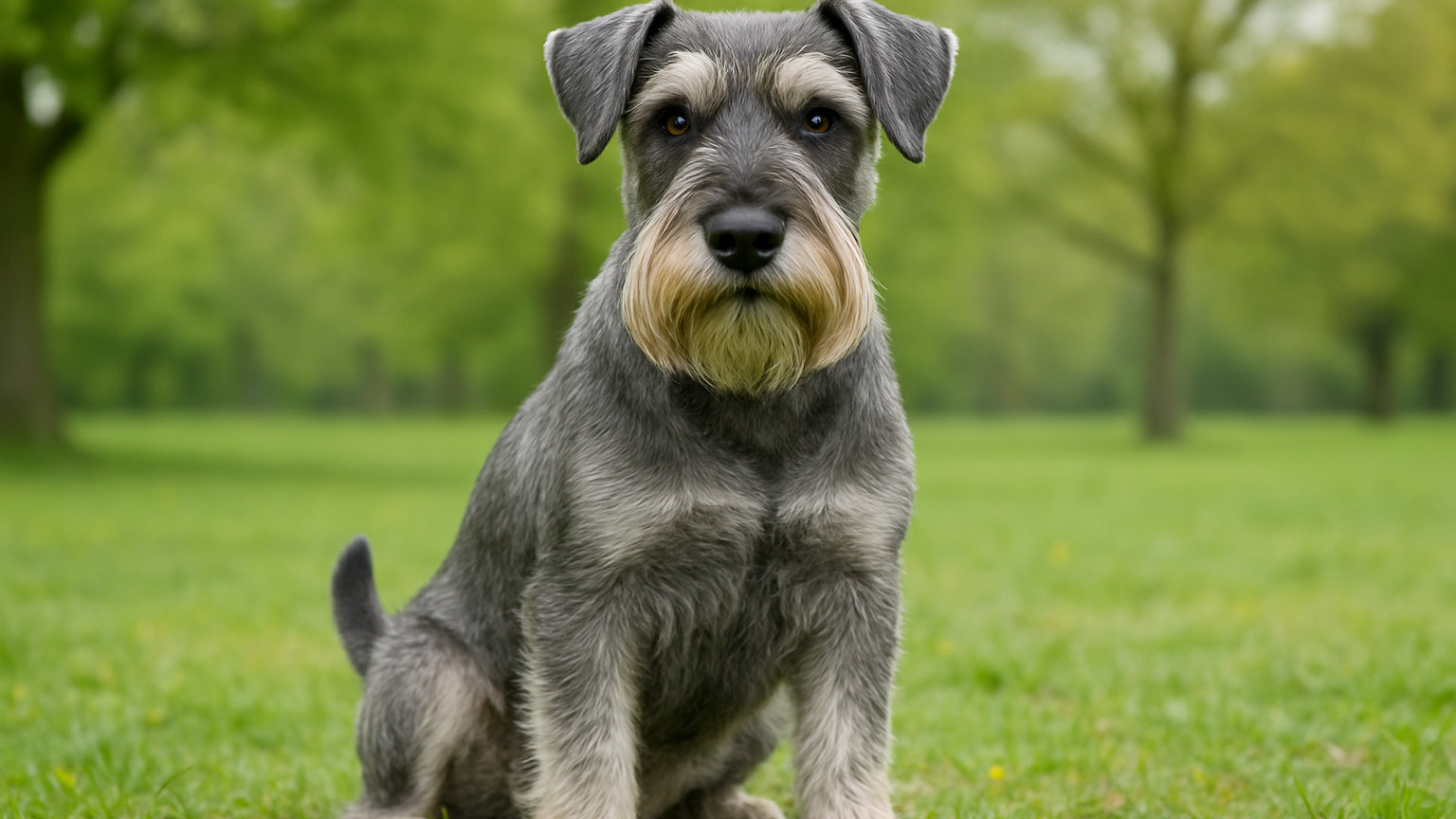
Male dogs considerably more than females for obstruction, because of the narrower urethra. Some breeds are predisposed to particular stone types, including Dalmatians, Bulldogs, Miniature Schnauzers and Yorkshire Terriers.
Older entire males are prone to prostate enlargement, which causes straining. Dogs that have had stones once frequently form them again.
If your dog has a history of urinary problems, keep the practice number to hand and treat any straining as urgent rather than waiting to see.
What about accidents in the house?
A house-trained dog urinating indoors is giving you information rather than misbehaving, and it is one of the most commonly misread signs.
Infections, bladder stones, kidney disease, diabetes and, in older dogs, cognitive decline all cause it. Some spayed bitches develop urinary incontinence, which leaks while the dog is asleep and is very treatable.
Never punish it. Get the dog checked first, since the great majority of sudden house soiling in an adult dog has a medical explanation.