
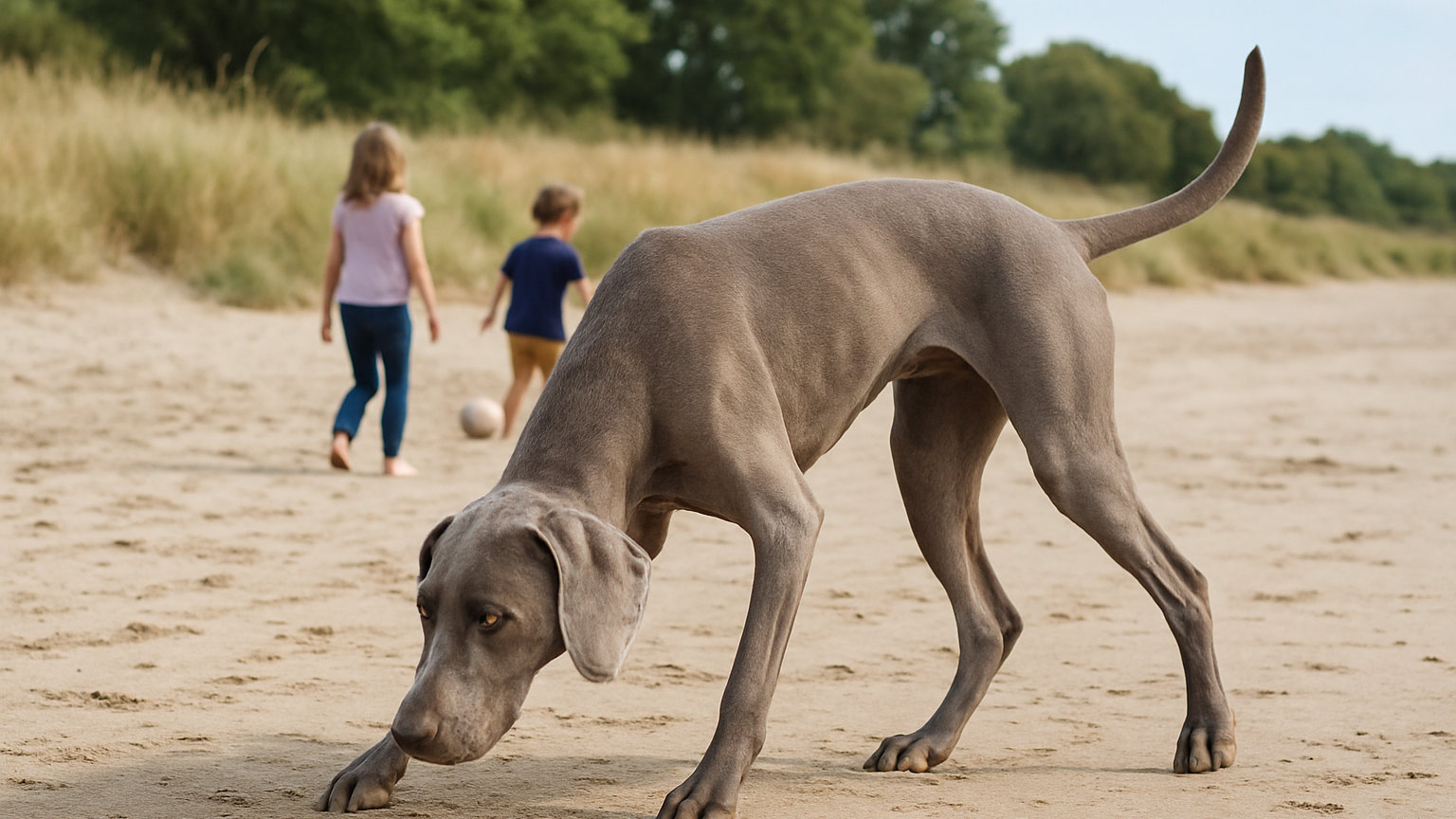
Growing up with a dog is widely assumed to be good for children. The evidence is broadly positive and the outcome depends heavily on adult supervision.
What are the reported benefits?
Studies have associated dog ownership in childhood with higher physical activity, since families with dogs walk more.
Emotional benefits are frequently reported: children describe dogs as confidants, and dogs offer uncomplicated companionship at ages when friendships are turbulent.
Some research suggests responsibility for animal care supports the development of empathy, though the effect depends on children being genuinely involved rather than nominally responsible.
There is also evidence linking early exposure to dogs with a lower incidence of certain allergies and asthma, though findings vary.
How strong is the evidence?
Reasonable rather than conclusive. Much of it is observational, and families who choose to keep dogs differ from those who do not in ways that are hard to separate out.
The honest position is that dogs are frequently good for children, in the right circumstances, rather than that they automatically are.
What are the risks?
Bites, principally, and children are the group most affected. Most bites to children come from a dog the child knows, usually in the home rather than from a strange dog in the street.
Injuries to children are more likely to involve the face, because children are shorter and approach faces directly.
Most of these incidents are preventable, and the prevention is adult supervision and management rather than anything the child or dog does.
What determines the outcome?
Whether adults supervise actively rather than being present. Whether the dog has somewhere it is genuinely never disturbed.
Whether children are taught rules and those rules are enforced consistently. Whether the household recognises canine body language.
Whether the dog was chosen sensibly for the household rather than for appearance.
Who actually does the work?
Adults. This is worth being honest about before getting a dog for the children.
Children lose interest, and the walks, feeding, cleaning and veterinary appointments become an adult responsibility within months. Households that assume otherwise are frequently the ones that give dogs up.
What about the dog's experience?
Less discussed and equally important. Busy family homes are demanding for dogs: noise, unpredictable movement, disturbed rest and constant handling.
A dog in a family needs an undisturbed place to sleep, genuine downtime, and adults who protect it from children rather than only protecting children from it.
What is the fair conclusion?
Dogs and children go together well in households prepared to manage it properly, and badly in households that assume it will simply work.
What should families do differently?
Treat management as permanent rather than a phase. Stair gates, a retreat the dog can always reach, and rules that apply to adults as well as children.
Learn canine body language as a household, since the signals that precede problems are quiet and easy to miss.
Book a veterinary check whenever a previously tolerant dog becomes less patient, since pain is a frequent and overlooked cause.
Does it depend on the child's age?
Considerably. The benefits are most apparent in older children who can take genuine part in walks and training, and the risks are highest in the under-fives.
That does not mean families with toddlers should not have dogs. It means the management required differs enormously between a household with a three-year-old and one with a ten-year-old.
What is the honest summary?
A well-managed household with a suitable dog gives children a genuinely valuable relationship. A household that assumes it will work without effort creates a risk to the child and a poor life for the dog.
Framed properly, the question is not whether dogs are good for children but whether your household can give a dog what it needs while keeping children safe. Where the answer is yes, the relationship is genuinely valuable to both.
What about allergies and hygiene?
Worth considering practically. Some children develop allergies to dogs, and existing asthma can be aggravated, though early exposure has also been associated with lower rates in some studies.
Basic hygiene handles most of the rest: handwashing after handling the dog and before eating, prompt clearing of faeces, and current worming, since roundworm can infect people and children are most at risk.


