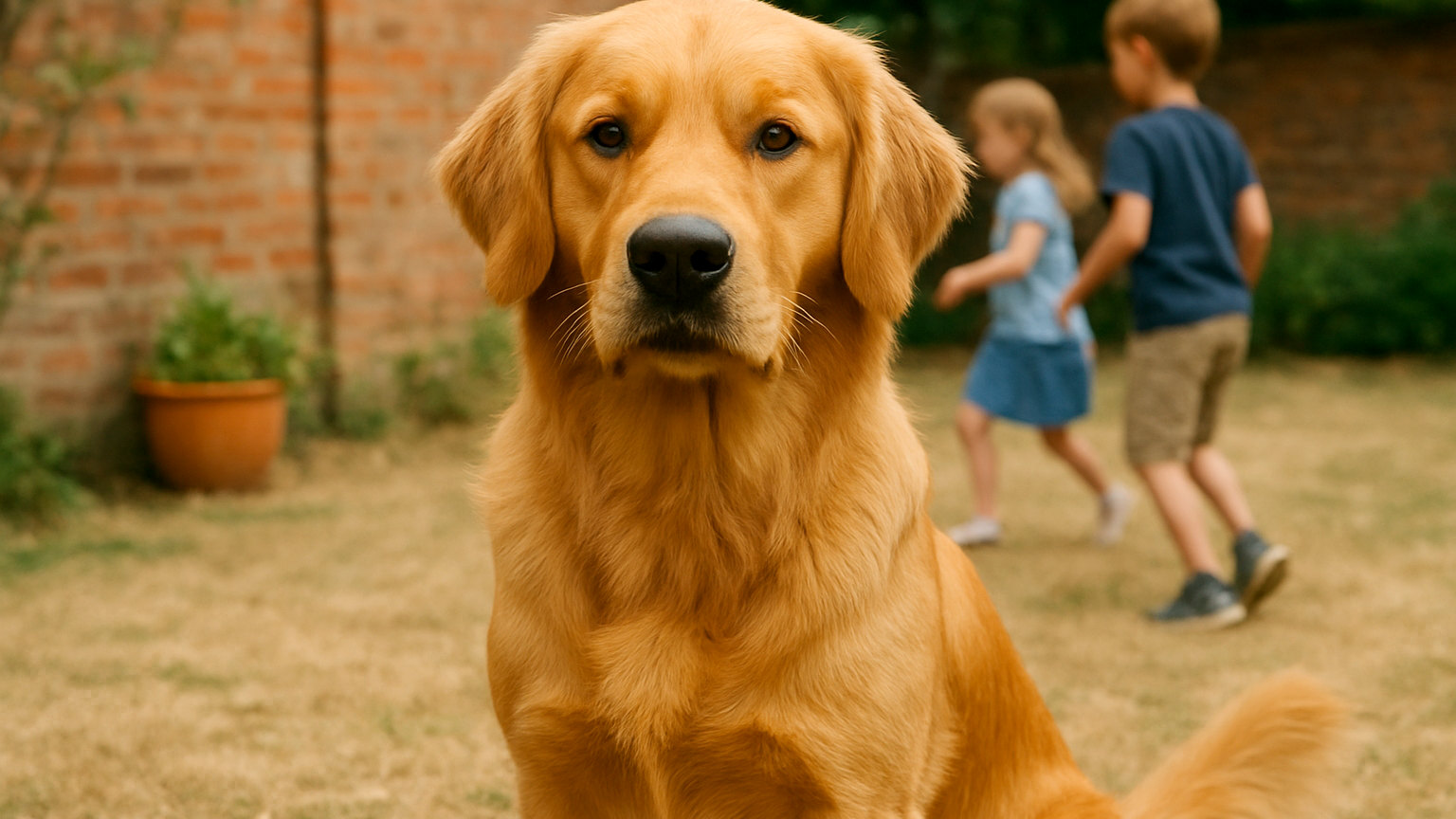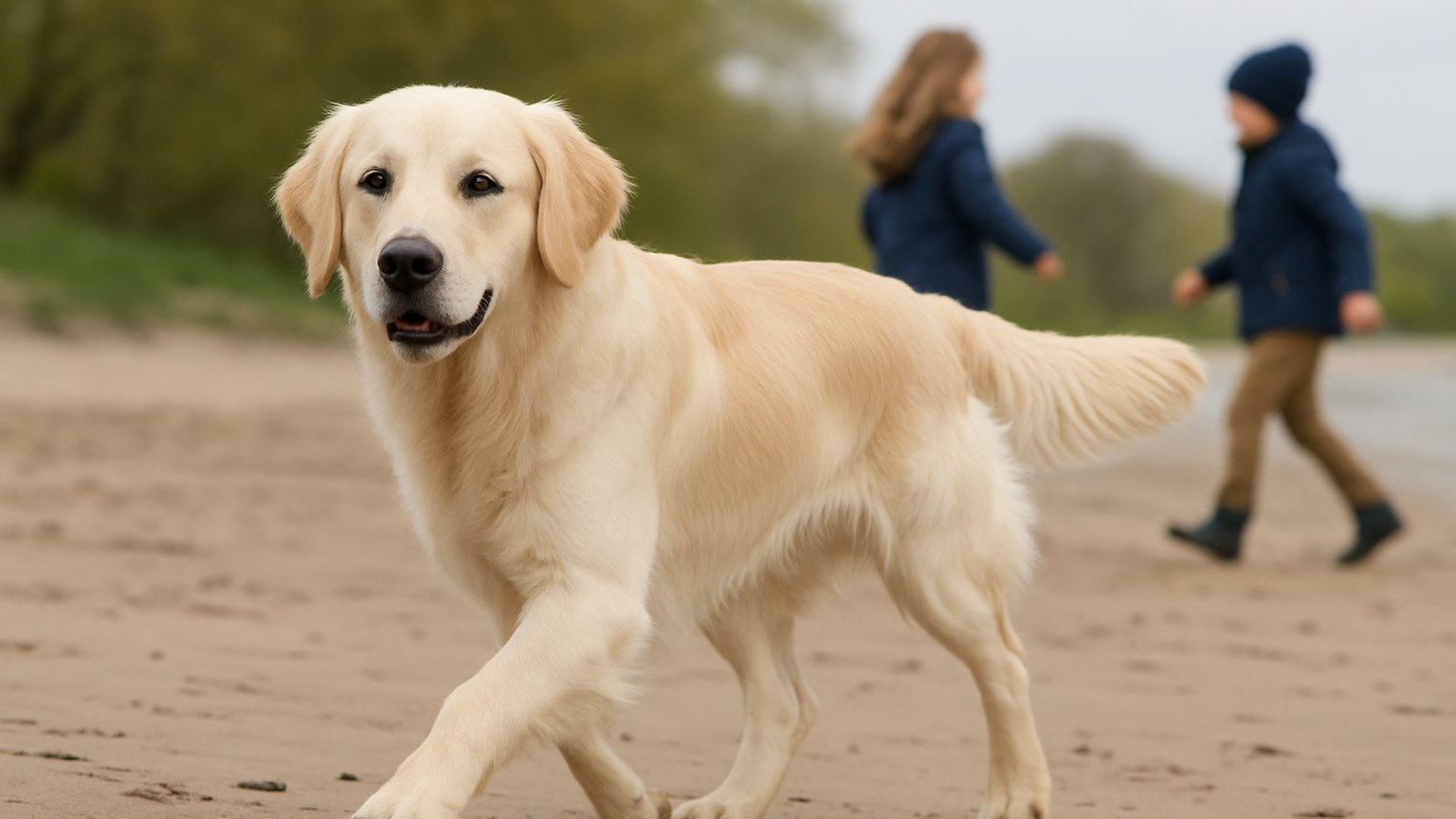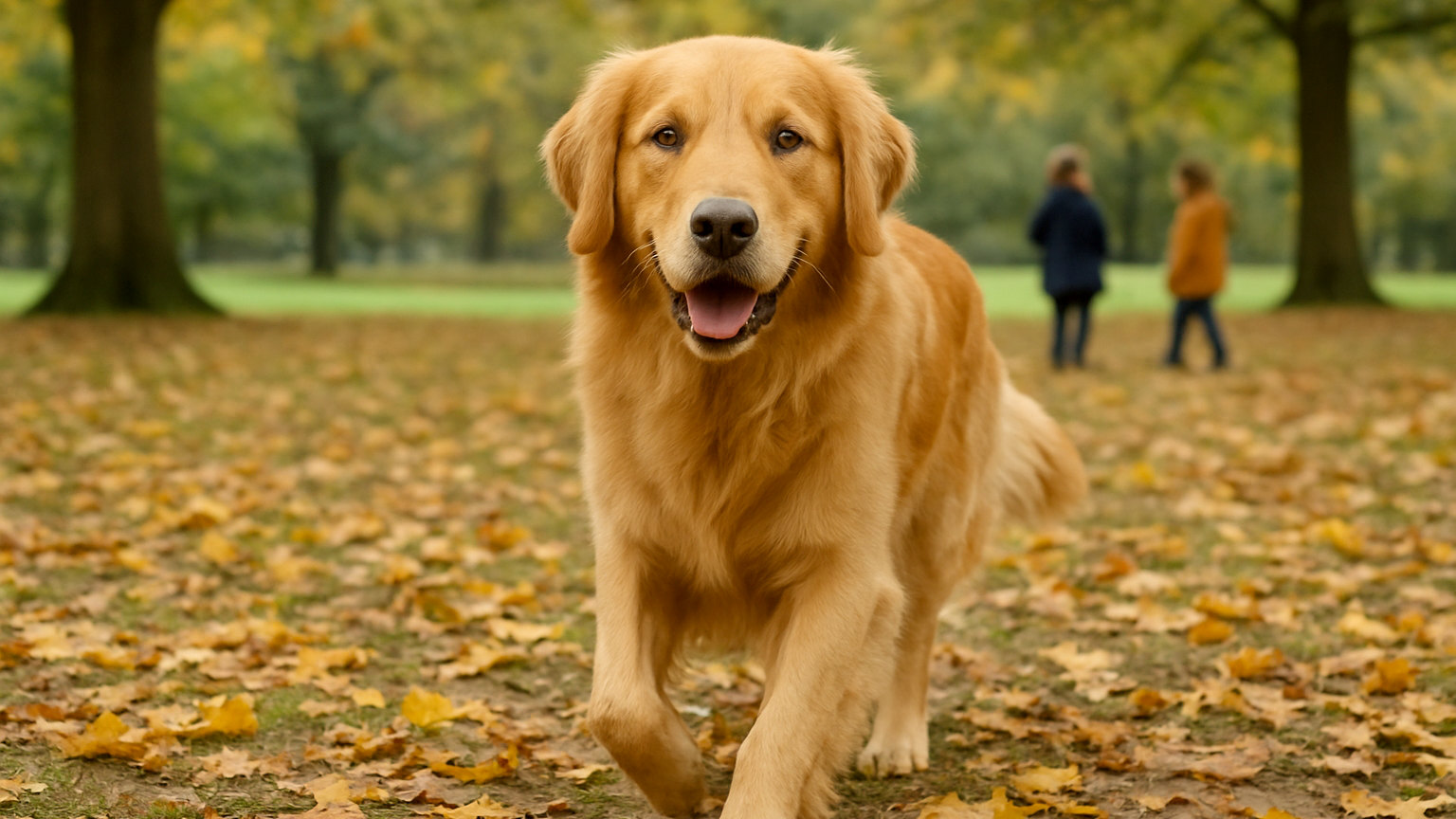
Fear of dogs is common in children and usually resolves with patient handling. It reliably worsens when adults try to hurry it.
Where does it come from?
Sometimes a specific incident: being jumped on, knocked over, chased or barked at. Even a friendly bouncy dog can frighten a small child badly.
Frequently no incident at all. Dogs are fast, loud and unpredictable at a child's height, and wariness is a reasonable response.
Children also pick up fear from adults. A parent who tenses when a dog approaches teaches that dogs are a threat.
Why is forcing contact harmful?
Because it confirms the fear. A child made to stroke a dog while frightened learns that being frightened does not stop things happening.
It also removes their control, which is precisely what makes the situation frightening.
Phrases like he won't hurt you, said while moving a child towards a dog, are the most common version of this and they do not help.
What works instead?
Distance and choice. Let the child observe dogs from a distance they are comfortable with, with no expectation of getting closer.
Watch dogs from a park bench, from a car window, or across a road. Let the child say when they want to move nearer.
Progress at their pace over weeks or months. Going backwards a step when they are anxious is part of the process rather than a setback.
What steps work well?
Books, videos and toy dogs first, which are entirely safe and let a child engage with the idea.
Then watching a real dog at a distance, then a calm, small, older dog on a lead in the same room, then in the same space with the child free to move away.
Then, only if the child asks, stroking a dog on the shoulder while an adult holds it, for a couple of seconds.
Let the child end each interaction. Being able to stop is what builds confidence.
Which dogs help?
Calm, older, small to medium dogs that are used to children and unlikely to jump up or move quickly.
Not puppies, despite the instinct. Puppies are bouncy, mouthy and unpredictable, which is exactly what frightens children.
What should adults model?
Calm behaviour around dogs, asking owners before stroking, and moving away when a dog is unsettled.
Avoid dismissing the fear, which is real to the child, or making a fuss of it, which reinforces it.
What if the family has a dog?
Use gates so the child has spaces where the dog cannot come, which restores their sense of control.
Involve them in safe, distant activities: choosing food, filling the water bowl, throwing a treat from across the room.
When should you seek help?
If the fear is severe, is limiting daily life, or is not improving over months, speak to your GP, since childhood phobias respond well to appropriate support.
What about a fear that develops suddenly?
Usually traceable to an incident, which the child may not have mentioned. Ask gently what happened rather than assuming.
A specific frightening event responds well to gradual, controlled positive experiences, and the sooner it is addressed the easier it is.
Does having a dog help?
Sometimes, and it can equally entrench the fear if the child feels trapped with it. Never get a dog specifically to cure a child's fear.
Where a family already has a dog, gates and clear boundaries that give the child control usually help more than encouraging contact.
What can you do practically?
Cross the road together calmly rather than making a show of avoiding dogs, which teaches that dogs are dangerous.
Talk about what the dog is doing in neutral terms, which gives the child a way to understand rather than only to fear.
How long does it take?
Weeks to months, and sometimes longer. Progress is rarely steady, and a setback after a frightening encounter is normal rather than a failure.
Let the child set the pace throughout, since the sense of control is what does the work.