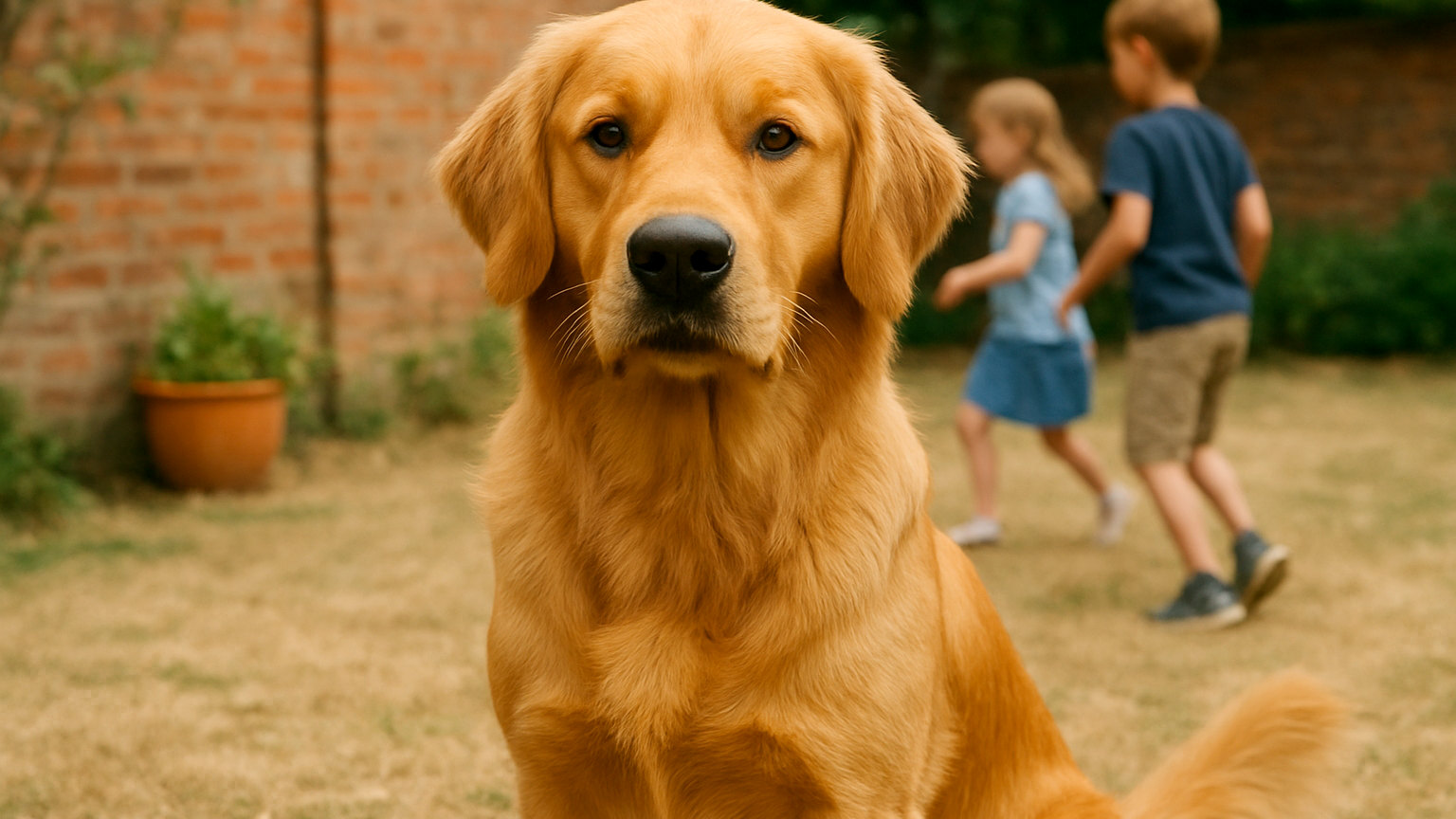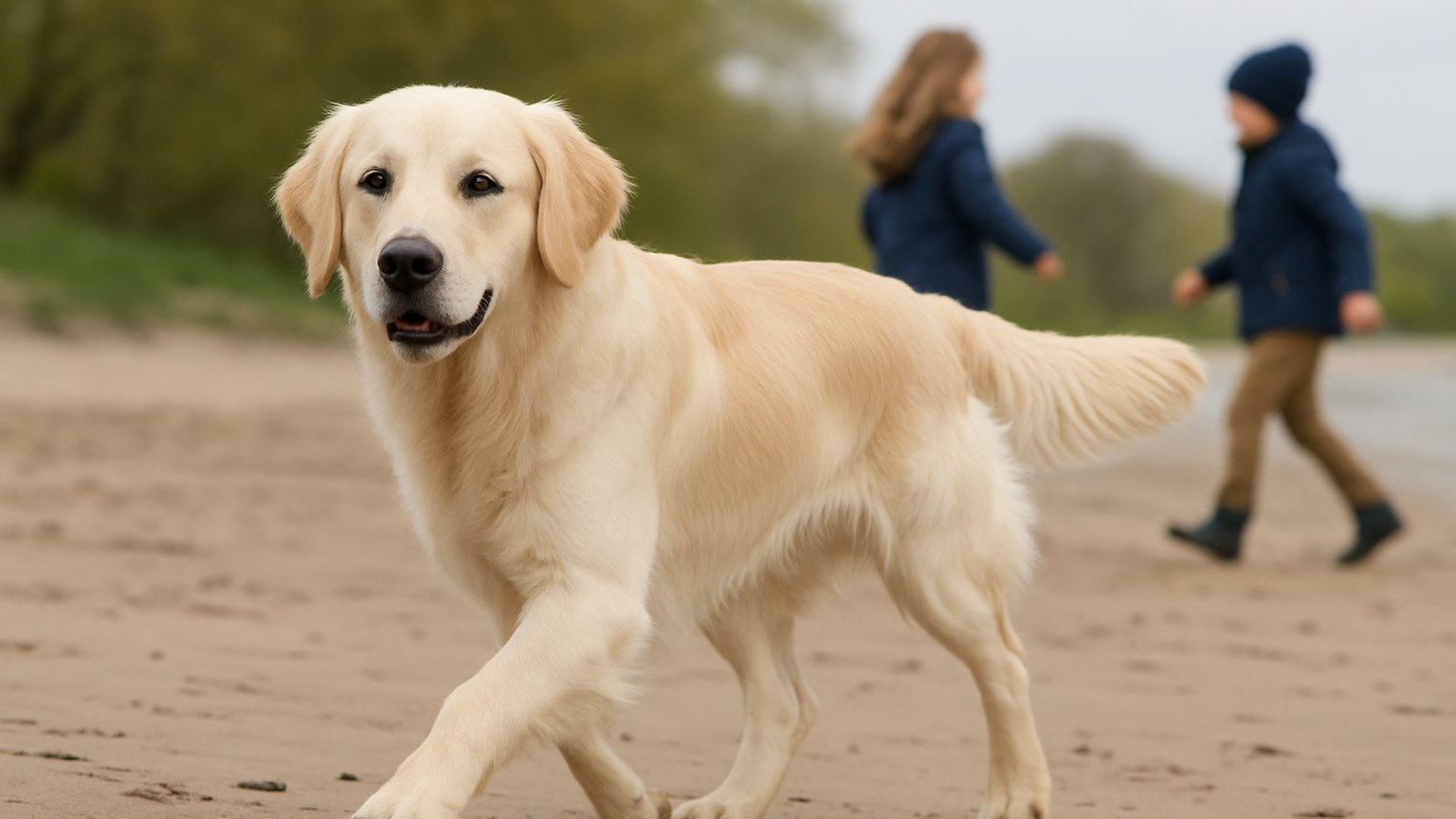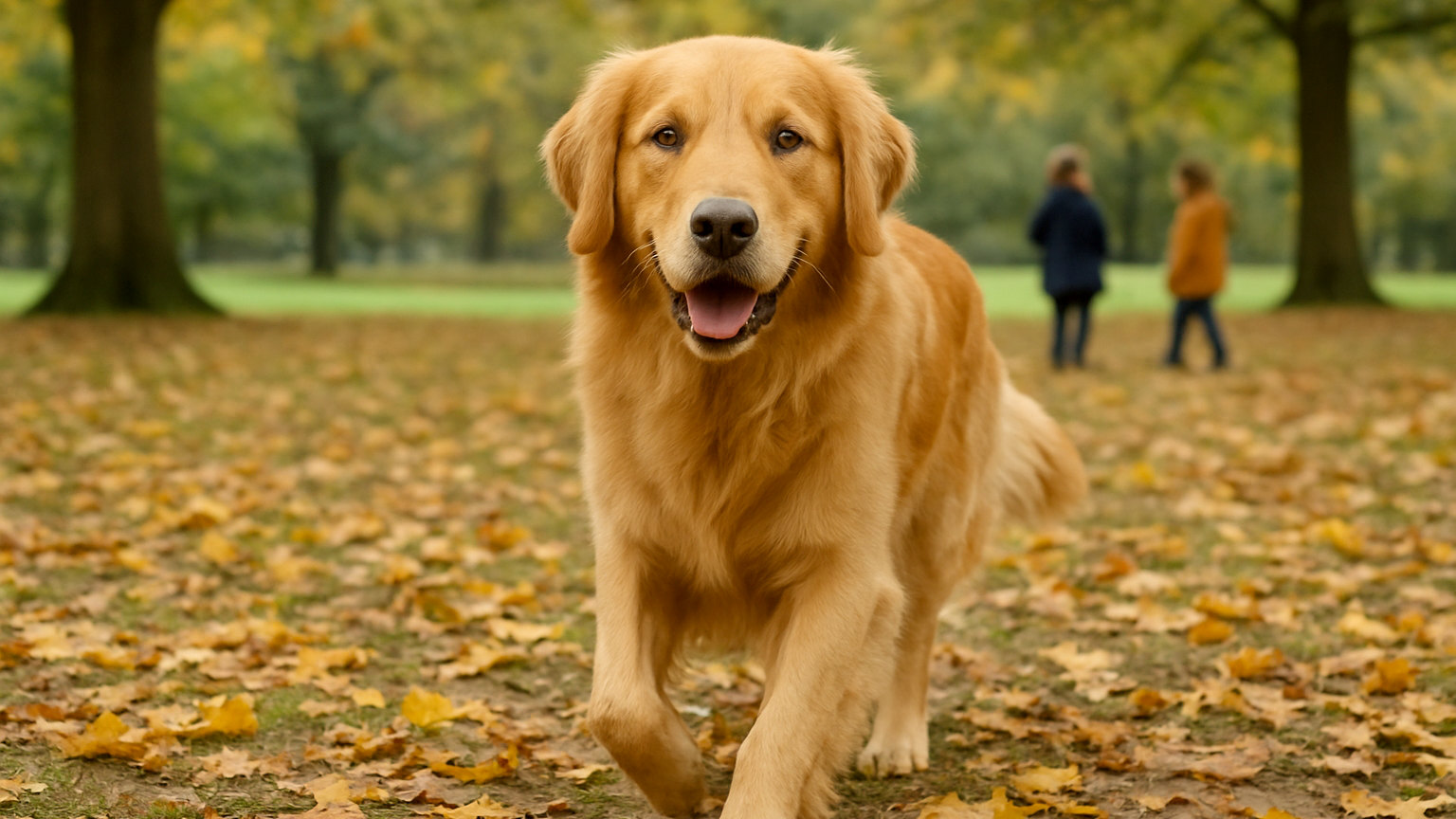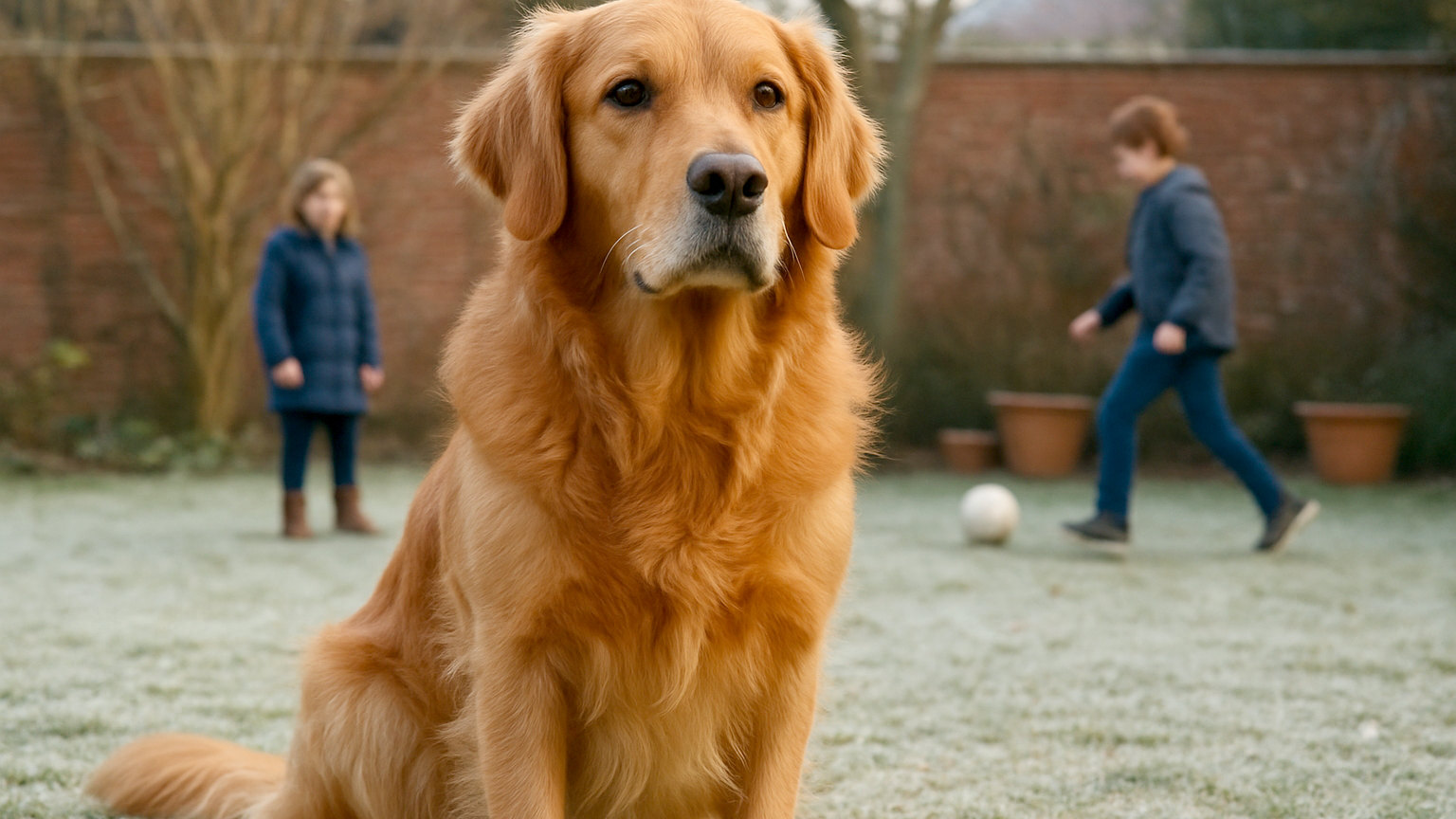
These rules are not about spoiling children's fun. They exist because the situations they prevent are the ones in which children are bitten.
What are the core rules?
Leave the dog alone when it is eating, chewing, sleeping or in its bed. These are the four most common contexts for bites in the home.
Never hug, lie on, sit on or climb on a dog. Hugging in particular is misread by nearly every dog as restraint rather than affection.
Never take anything from a dog. If the dog has something it should not, tell an adult.
If the dog walks away, let it go. Walking away is a dog declining politely, and following it removes its only option.
Never disturb a dog behind a gate or in a crate.
What should children learn about approaching?
Let the dog come to them rather than approaching it. Stand still, arms down, and let the dog decide.
Stroke the chest or shoulder rather than the top of the head, which most dogs find uncomfortable.
Never approach a dog from behind or while it is facing away.
Always ask the owner before touching an unfamiliar dog, and accept no as an answer without argument.
What behaviour should children avoid?
Running and squealing around a dog, which triggers chase responses in many breeds. Screaming, which raises arousal.
Pulling ears, tails or fur, or poking at faces. Waking a sleeping dog.
Rough games including wrestling and tug with a dog, which teach the dog that hands and clothing are toys.
Putting their face near a dog's face, which is how most facial bites happen.
How do you teach them by age?
Under three, rules are ineffective and the answer is physical separation and constant supervision rather than instruction.
Three to five, teach two or three simple rules and repeat them constantly, while still supervising everything.
Five to eight, children can learn the full list and understand why, though they still need supervision.
Older children can learn body language and take genuine responsibility, and they still should not be relied on to supervise younger siblings with a dog.
How do you make rules stick?
Model them yourself, since children copy what adults do rather than what they say. If you disturb the sleeping dog, the rules mean nothing.
Explain the reason rather than only the rule. Children follow rules they understand.
Be consistent across all adults, and apply them to visiting children and relatives too.
What should children be taught to do?
Tell an adult if the dog growls, rather than keeping it secret for fear the dog will be in trouble. This is important and worth stating explicitly.
Stand still and fold their arms if a dog jumps up or is too boisterous, rather than running.
What should you do when rules are broken?
Intervene calmly and move the child rather than telling the dog off, since the dog has usually done nothing wrong.
Restate the rule and the reason briefly. Repetition is what makes rules stick with children rather than severity.
How do you involve children positively?
Training, which is the best answer. A child who has taught the dog something has a relationship based on communication rather than only handling.
Give them the job of throwing treats, filling the water bowl, or choosing the walk route, all of which involve the dog without physical contact.
What is the most important rule?
Leave the dog alone when it is resting, eating or in its bed. If a household teaches only one rule, that is the one, since those situations account for a large share of incidents.
How do you teach rules to very young children?
By repetition and physical management rather than explanation. Under three, the rules are for the adults to enforce.
Use simple consistent phrases and redirect rather than expecting understanding.
These rules protect the dog as much as the child. A dog whose signals are respected rarely needs to escalate, and a child who learns to read them carries that for life.