
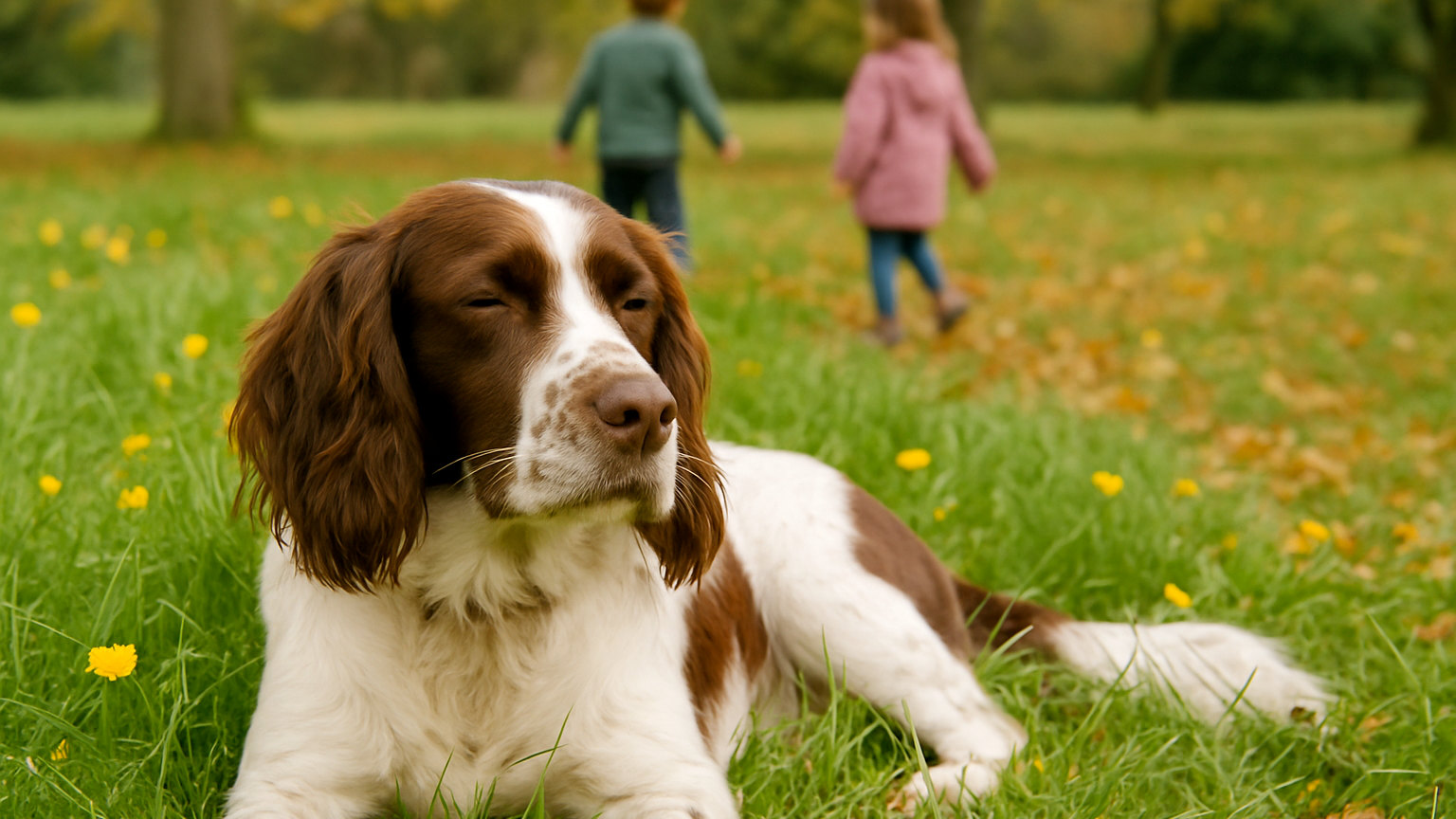
Walking the dog is frequently offered as a way for children to take responsibility. There are genuine safety and legal reasons to be cautious.
What is the main safety concern?
Physical control. A child cannot hold a dog that lunges, chases or bolts, and the outcomes range from a lost dog to a child dragged into a road.
The mismatch matters more than the child's age. A ten-year-old with a small placid dog is a different proposition from a ten-year-old with a Labrador.
Even a well-trained dog may react to a cat, a cyclist or another dog appearing suddenly.
What is the legal position?
The owner remains legally responsible for the dog regardless of who is holding the lead. If the dog is dangerously out of control, that is the owner's liability.
There is no minimum age in law for walking a dog, though some public space protection orders and insurance policies specify conditions worth checking.
Check your third-party liability cover, since some policies have requirements about who is in charge of the dog.
What age is realistic?
Under about eight, a child should not hold the lead in public except alongside an adult holding a second lead.
From eight to eleven, holding the lead with an adult present and in control is reasonable for a suitably sized dog.
From around twelve, some children can walk a small, well-trained dog independently in a quiet area, depending entirely on the child and the dog.
Walking alone near roads, or with a large or reactive dog, is not appropriate at any of these ages.
How do you do it safely?
Two leads: the child holds one and an adult holds a second attached to a different point, so the adult retains control.
A harness rather than a collar, which gives better control and prevents neck injury if the dog pulls.
A fixed lead rather than an extending one, which children find difficult to manage and which causes injuries.
Never tie the lead around a child's wrist or waist. A dog that bolts will pull them over.
Which dogs are suitable?
Small to medium, calm, well-trained, non-reactive dogs with reliable lead manners.
Not dogs that pull, that are reactive to other dogs or people, that have high prey drive, or that are significantly heavier than the child can manage.
What should children learn first?
What to do if the dog pulls: stop, do not chase, and call an adult. What to do if another dog approaches.
Never to let go and never to wrap the lead around a hand. Road safety with a dog, which differs from road safety alone.
How to pick up after the dog, which is a legal requirement and part of the responsibility.
What is a better way to involve children?
Walking alongside rather than holding the lead. Carrying the treats and doing the rewarding, which is genuinely useful and safe.
Taking part in training sessions at home, where they can build a real relationship with the dog without the risk.
What about scooters and bikes?
A child on wheels holding a lead is a poor combination, since neither the dog nor the child can stop quickly and falls are common.
Keep the lead with an adult when children are on wheels, however short the journey.
What is the practical compromise?
Children hold a second lead alongside an adult holding the primary one, which gives them genuine involvement with no risk.
Most children are entirely satisfied with this, and it lets them build up to independence gradually as they and the dog develop.
What should you check?
Your third-party liability insurance, and whether it has any conditions about who is in control of the dog.
Local public space protection orders, which vary by council and sometimes specify requirements about dogs being under proper control.
What about picking up?
A legal requirement and part of walking a dog. Older children should learn it, with handwashing afterwards.
Carry bags on every walk, since failing to pick up carries fixed penalty notices in most areas.


