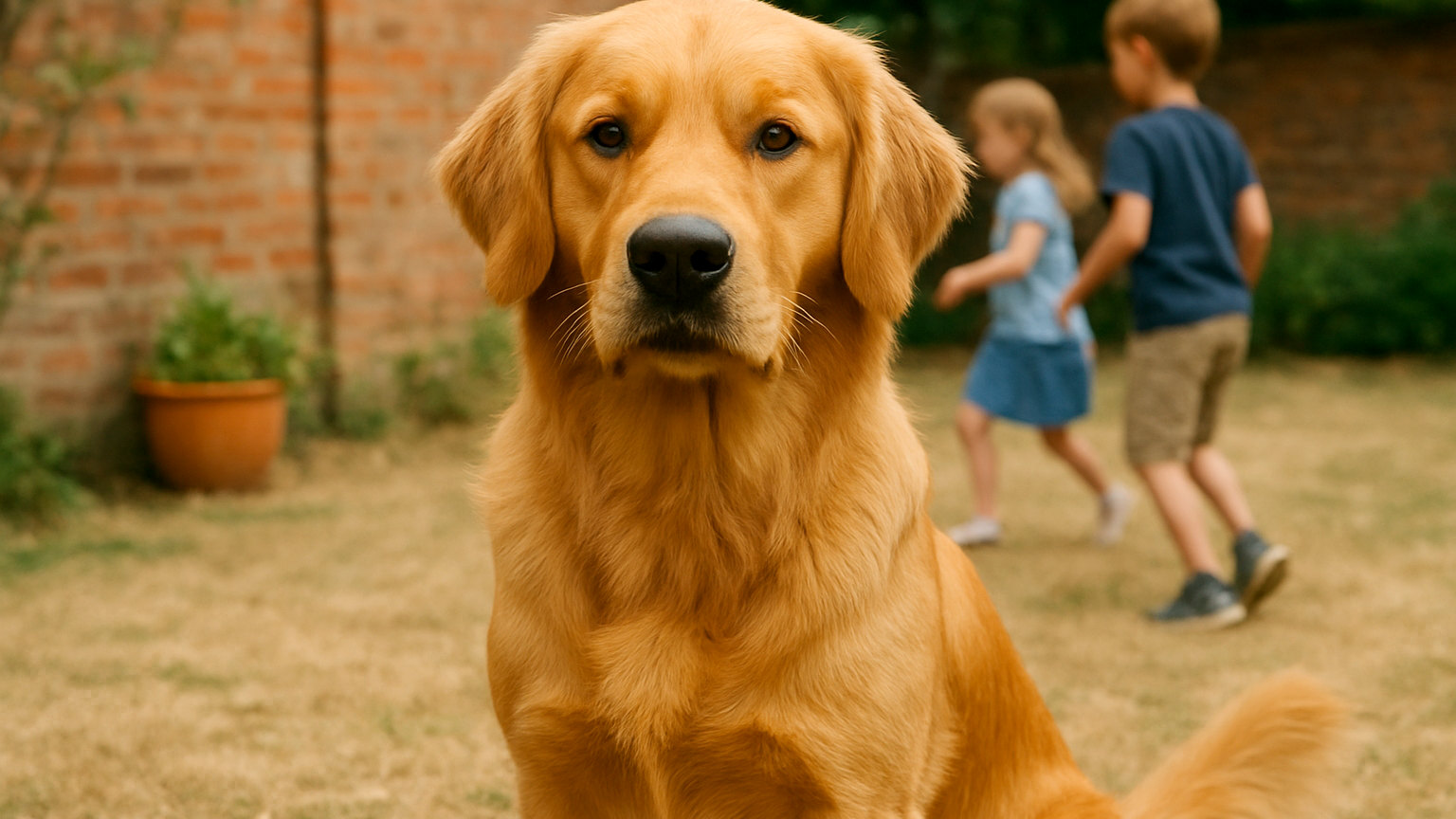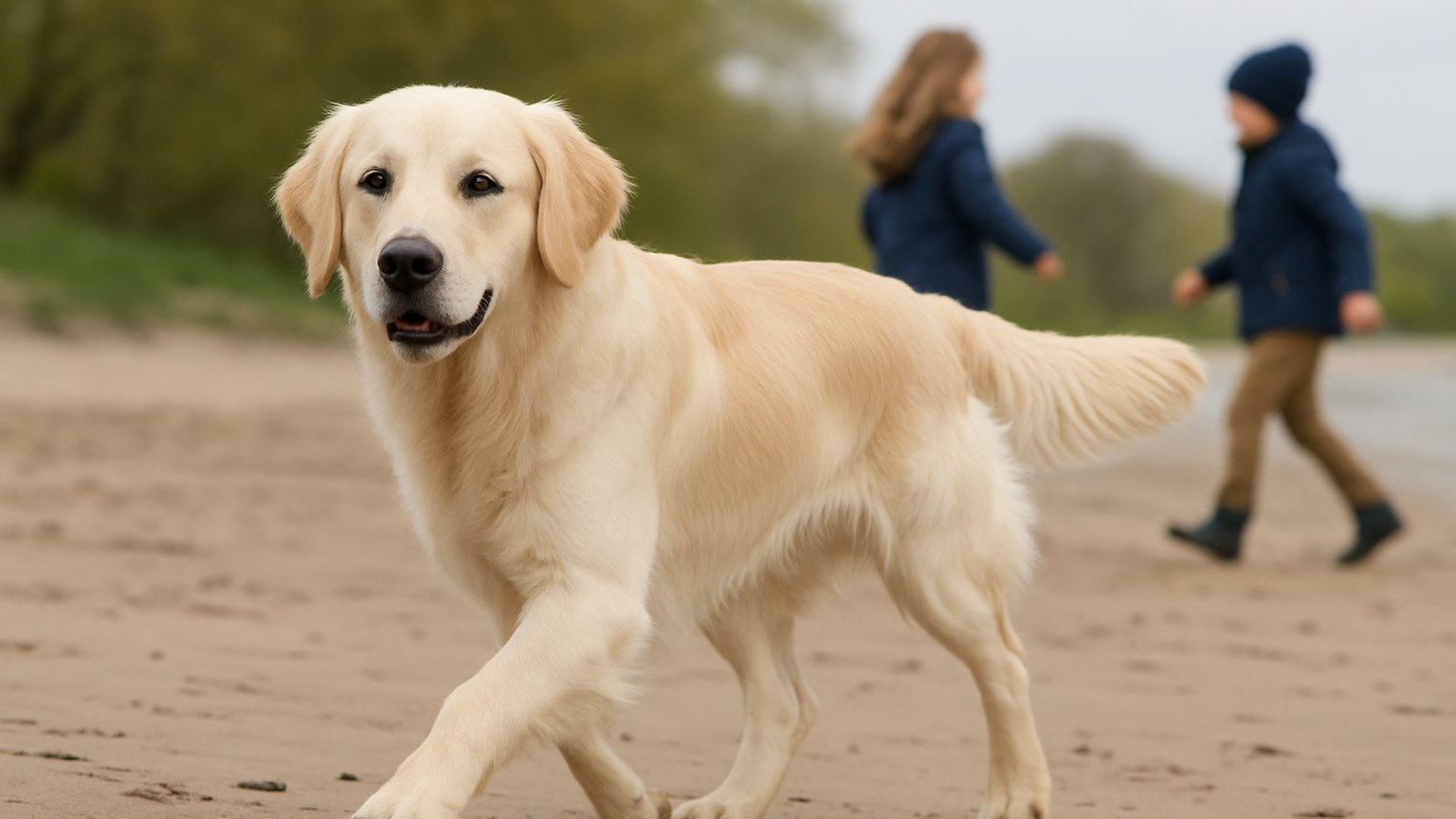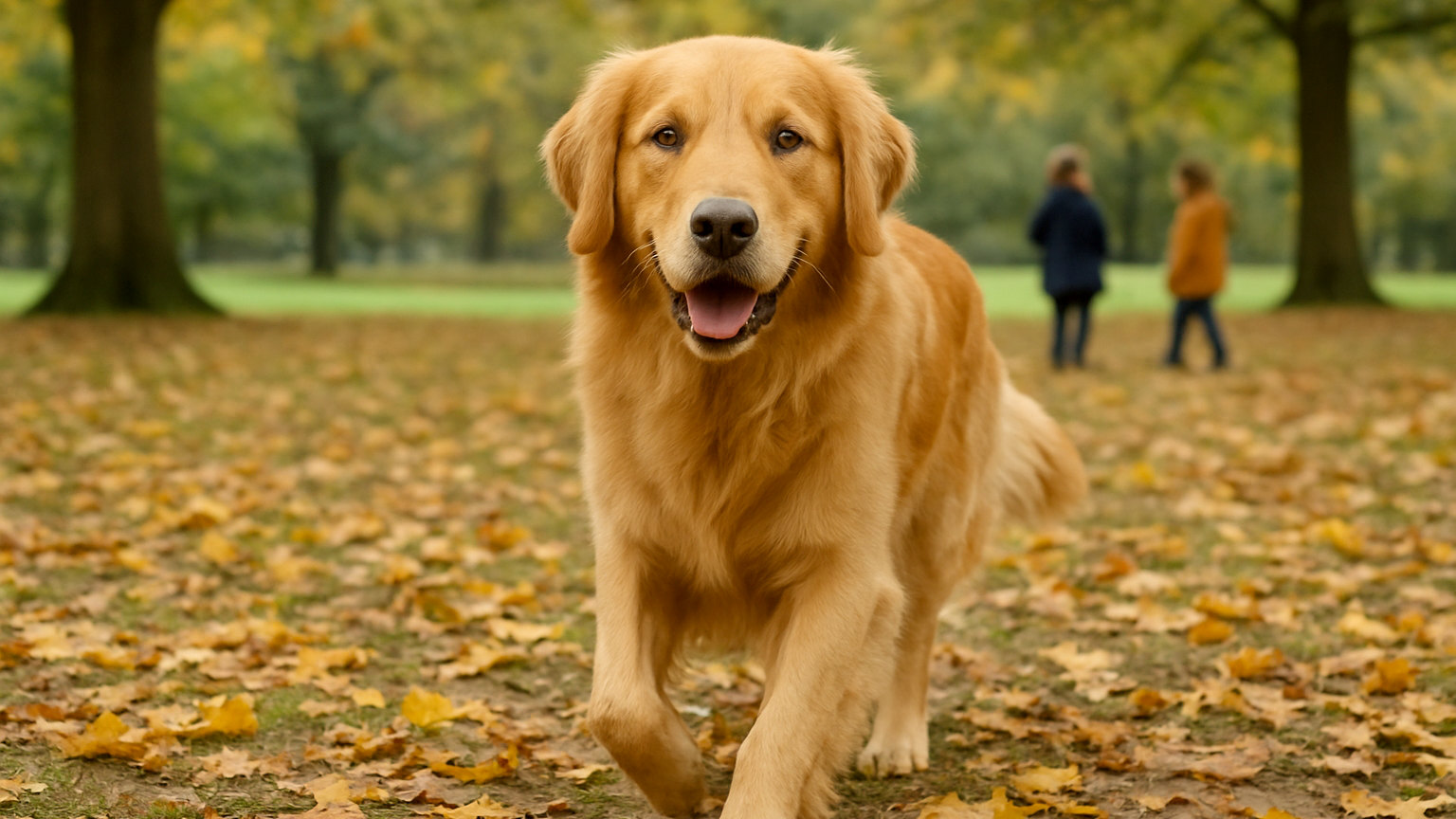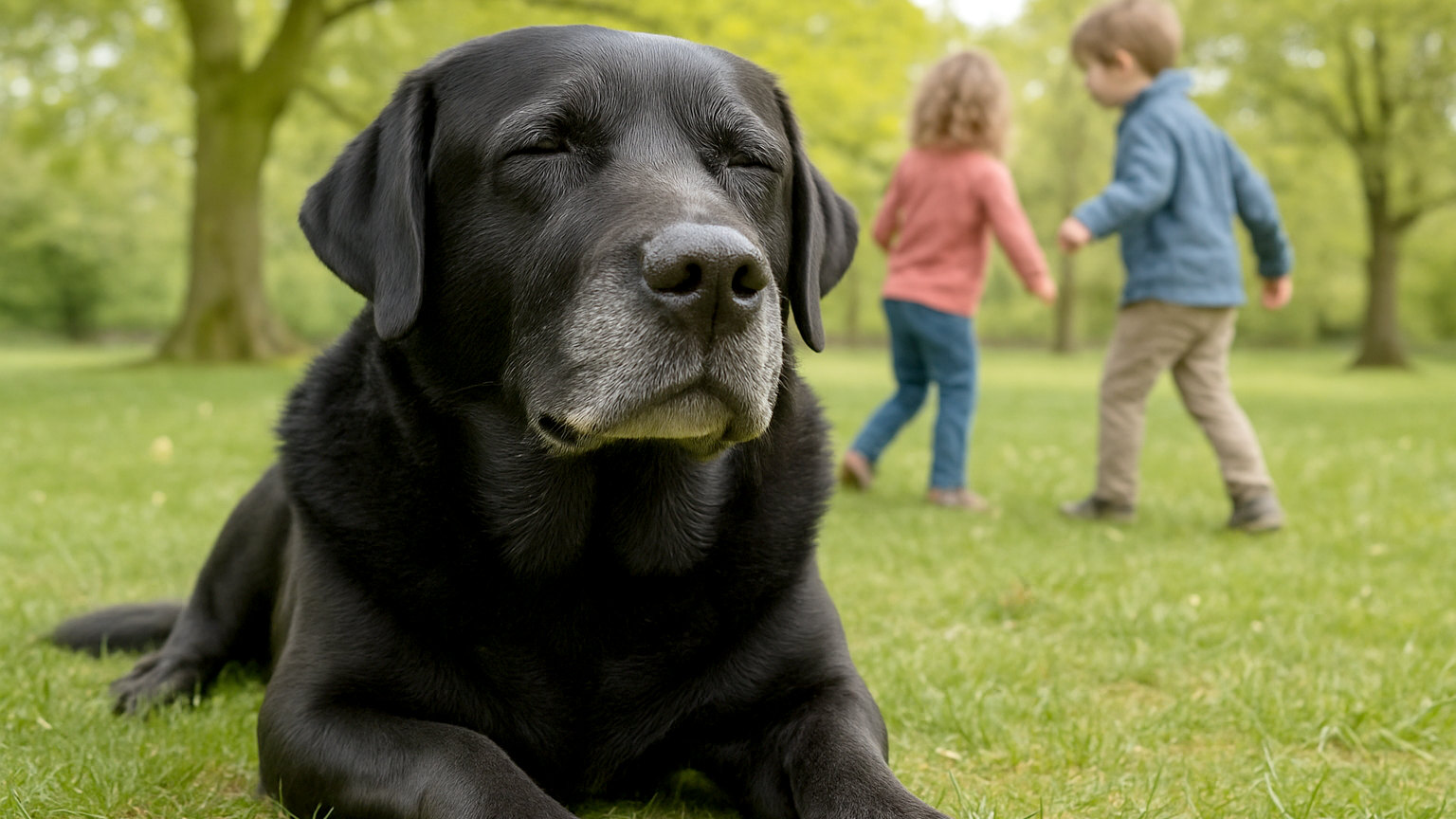
Children are naturally drawn to dogs and tend to approach fast, from the front, with hands out. Each of those is worth changing.
What is the core principle?
The dog decides. Rather than teaching a child how to approach a dog, teach them to stand still and let the dog approach them.
A dog that chooses to come over is comfortable. A dog that is approached has had no say, which is where problems begin.
What should children do with unfamiliar dogs?
Ask the owner first, every time, and wait for an answer. Teach them that no is a normal answer and not rude.
Many owners have good reasons: the dog is nervous, in training, unwell, elderly or reactive. Accepting the answer without argument is part of the lesson.
Never approach a dog that is alone, tied up outside a shop, in a car, or behind a gate or fence.
How should the approach go if permitted?
Stand still, side on rather than facing the dog, with arms down and hands at their sides.
Let the dog come and sniff. There is no need to hold out a hand, which is traditional advice and puts fingers at face height.
If the dog approaches and stays, stroke the chest, shoulder or side of the neck rather than the top of the head.
Stroke for a few seconds, then stop, and see whether the dog asks for more. If it moves away, that is the end of it.
What should children never do?
Run towards a dog, or run away from one. Squeal or scream. Put their face near the dog's face.
Reach over the top of a dog's head, hug it, or lean on it.
Approach from behind, or approach a dog that is eating, sleeping or has a toy.
What if a dog runs up to them?
Teach them to stand still, be a tree: feet planted, arms folded, looking down at their feet and staying quiet.
Running triggers chase responses in many dogs and is the most common way a friendly approach becomes frightening.
Practise this at home so it becomes automatic rather than something they have to remember in the moment.
How do you practise?
Role play with a toy dog for younger children. Practise standing still and folding arms.
Rehearse asking an owner, including what to say and what to do if the answer is no.
Model it yourself. Children watch what adults do around dogs far more than they listen to instructions.
What should adults do?
Intervene before a child reaches an unfamiliar dog rather than afterwards. Ask on the child's behalf when they are small.
Do not assume a wagging tail means a dog wants to be approached, since wagging indicates arousal rather than friendliness.
What about dogs in public places?
Teach children that a dog on a lead is working or being managed, and that a dog wearing a yellow lead or harness marking usually needs space.
Assistance dogs should never be approached, distracted or spoken to while working.
What should adults do?
Ask on the child's behalf when they are small, and demonstrate the whole sequence so they see it done properly.
Be willing to say no to other people's children approaching your dog, which is your responsibility rather than rudeness.
What about your own dog?
The same principles apply at home. Children should let the family dog come to them rather than approaching it where it is resting.
Familiarity makes children less careful rather than more, which is why most incidents involve a dog the child knows well.
What should you teach about dogs behind fences?
Never to approach or put fingers through a fence or gate, since a dog behind a barrier is frequently more territorial and cannot move away.
The same applies to dogs in cars, which are confined and frequently protective of the space.
How do you handle other people's expectations?
Some owners will encourage a child to hug or kiss their dog. It is entirely reasonable to decline politely and move your child away.
You are not being unfriendly, and the owner's confidence in their dog is not a reason to accept a risk on your child's behalf.