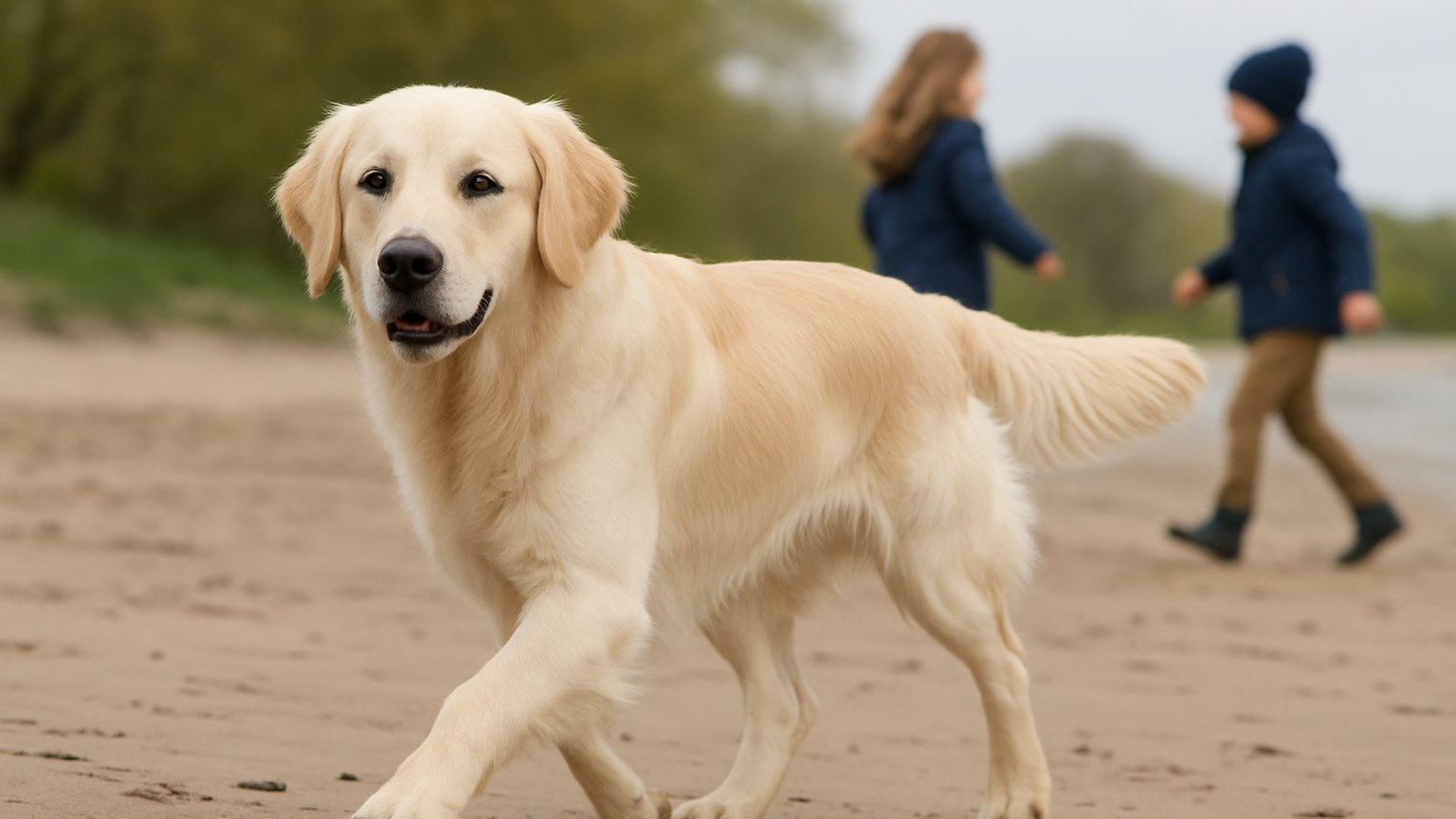
Puppy fraud rose sharply during periods of high demand and remains common. The tactics are consistent, which makes them recognisable.
What does the typical scam look like?
An advert with appealing photographs, a price slightly below the market rate, and a seller who responds quickly and warmly.
A reason why you cannot visit: illness, distance, isolation, or the puppies being at a different location. A request for a deposit to hold the puppy.
After payment, further charges appear: transport, insurance, a special crate, vaccination fees. Then contact stops.
In many cases the puppy never existed at all.
How do you check the photographs?
Run a reverse image search, which takes seconds and frequently reveals the same photograph on multiple adverts or lifted from a breeder's website abroad.
Ask for a photograph of the puppy with something specific and current, such as today's newspaper or a written note with your name on it. Scammers cannot produce this.
Should you insist on a video call?
Yes, as a minimum before any money changes hands, though it is not a substitute for visiting in person.
Ask to see the puppy with its mother, the room they are in, and the seller. Ask them to pick the puppy up and show specific things you request live.
Refusal, technical excuses or a pre-recorded clip are all decisive.
What payment methods are safe?
Bank transfer offers almost no protection and is the method scammers request most. Once sent, recovery is unlikely.
Paying by credit card offers protection for purchases above a threshold, and some payment services offer buyer protection, though sellers frequently ask you to use the friends and family option specifically to remove it.
Never pay by gift voucher, cryptocurrency or money transfer service. Never pay anything before seeing the puppy in person.
What other signs should you watch for?
Prices noticeably below the going rate for the breed, which is the hook.
Poor written English inconsistent with the claimed location, or messages that seem copied. Reluctance to speak on the phone.
Emotional pressure: another buyer is interested, the puppy needs a home urgently, the family is moving abroad.
Offers to deliver, which is both a scam indicator and a legal problem, since you must see the puppy at its place of birth.
What should you do before paying anything?
Visit in person, see the mother with the litter, and check the microchip number matches the paperwork.
Search the seller's phone number and email address online, since scammers reuse them and complaints frequently appear.
Ask for the name of their veterinary practice and ring it independently rather than using a number they provide.
What if you have been scammed?
Report it to Action Fraud, contact your bank immediately, and report the advert to the platform.
Keep all messages and payment records. Recovery is often unsuccessful, and reporting contributes to cases being built against repeat offenders.
What about legitimate distance sellers?
There are none, in the sense that matters. Whatever the circumstances, you should see the puppy at the place it was born with its mother present.
Good breeders will happily do video calls in advance and will still expect you to visit. Anyone who suggests visiting is unnecessary is either breaking the law or running a scam.
What is the simplest safeguard?
Never send money before visiting, and never accept a reason why visiting is impossible. Applied consistently, that single rule prevents nearly every version of this fraud.
Where should you look instead?
Breed club listings, the Kennel Club Assured Breeder Scheme, and rescue organisations, all of which involve identifiable people and premises.
General classified sites are where most fraud occurs, and while legitimate breeders occasionally use them, the ratio is poor.
What should you do if you suspect fraud?
Stop communicating, do not send further money, and report it to Action Fraud and to the platform the advert appeared on.
Contact your bank immediately, since there is occasionally a window in which a transfer can be recalled.