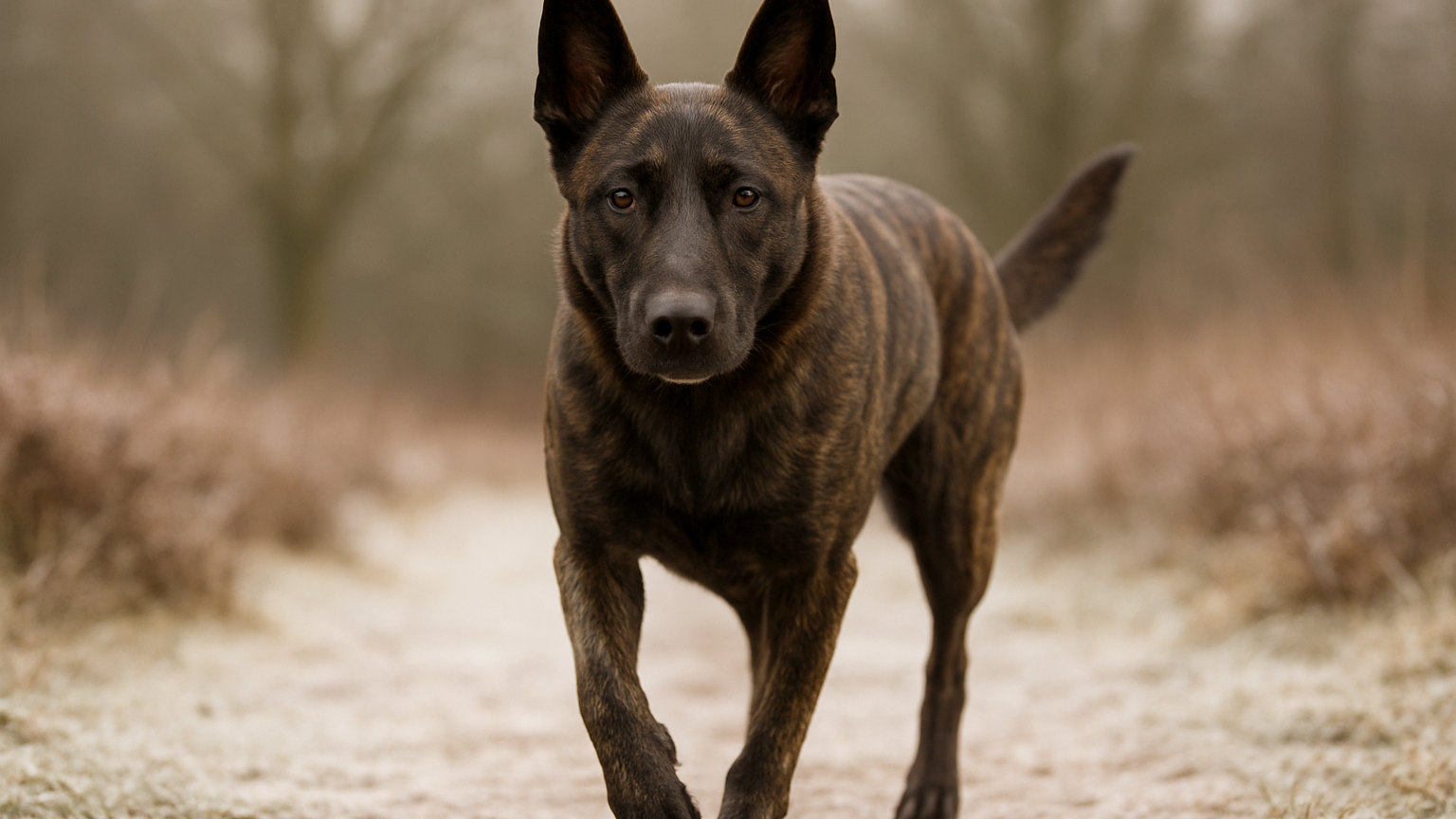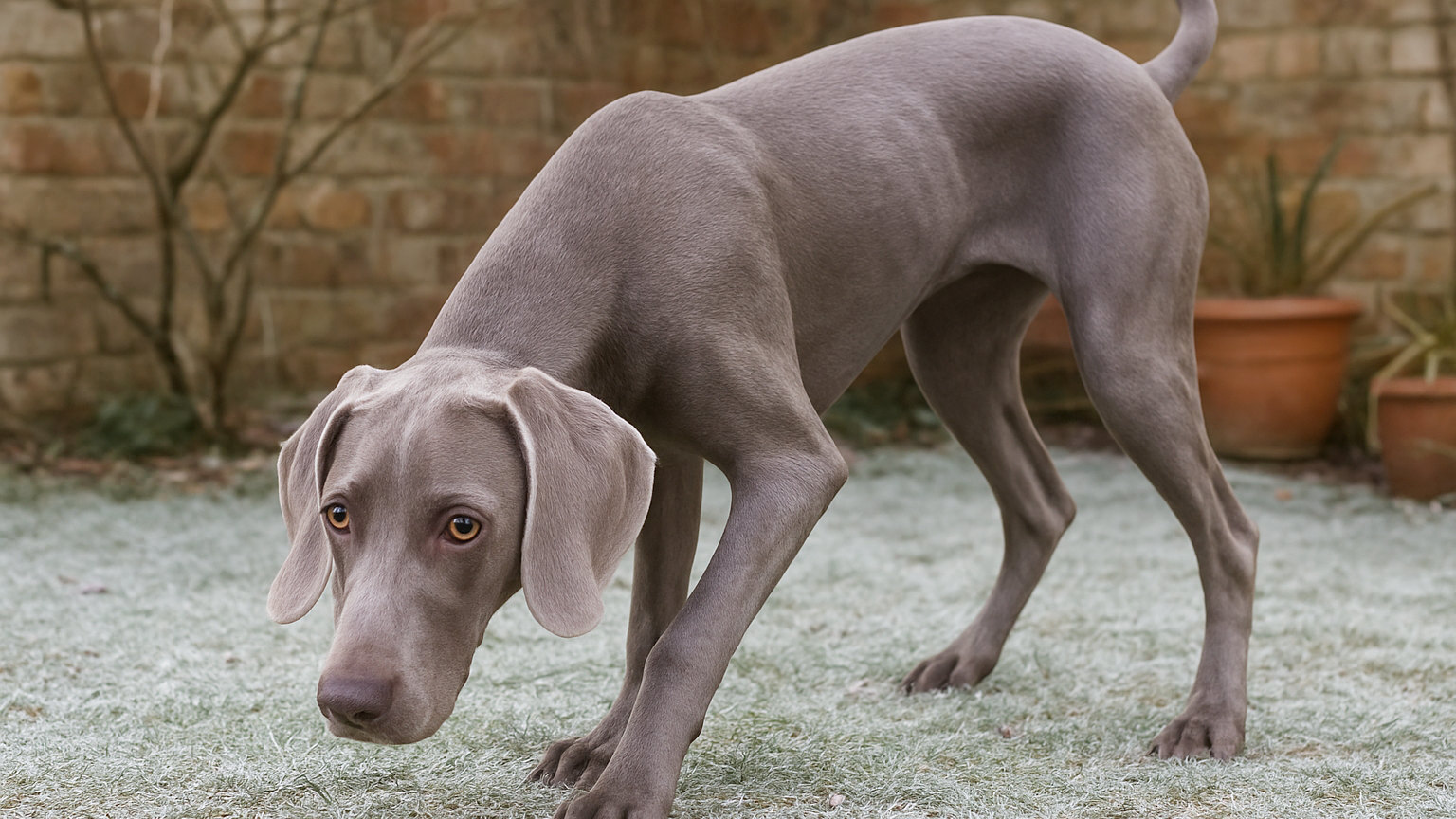
Breed differences in barking are real and substantial. They reflect what each type was originally bred to do, and no amount of training entirely removes them.
Which breeds tend to bark most?
Terriers, almost universally. They were bred to work independently, locate quarry underground and indicate its position vocally, so barking is close to a job description.
Small companion breeds including Chihuahuas, Pomeranians, Miniature Schnauzers and Yorkshire Terriers are frequently vocal, partly through breeding as alert dogs and partly because barking is a small dog's main deterrent.
Herding breeds such as Shetland Sheepdogs, Collies and Corgis use voice as part of moving stock, and many are reactive to movement generally.
Guarding breeds bark to warn, though many are less frequent barkers than terriers, using a deeper bark less often.
Scent hounds including Beagles and Bassets bay rather than bark, and that carries remarkably far.
Which breeds tend to be quieter?
Sighthounds, notably Greyhounds and Whippets, are among the quietest and are frequently recommended for flats for that reason.
Several giant breeds including Newfoundlands, Bernese Mountain Dogs and Saint Bernards bark relatively rarely, though when they do it is loud.
Bulldogs, Pugs and several other flat-faced breeds are typically low barkers, making other noises instead.
The Basenji is famous for not barking at all, though it produces a distinctive yodel that some find equally noticeable.
How much does breed actually determine?
It sets a tendency rather than an outcome. Individual variation within a breed is considerable, and upbringing, environment and training all matter.
A quiet-breed dog left alone all day with a view of a busy street will bark. A terrier with adequate exercise, mental work and a blocked window may be perfectly reasonable.
What breed determines is the starting point and how much effort management requires.
Why does this matter when choosing a dog?
Because it is one of the most common mismatches. People choose a breed on appearance, then find the noise incompatible with a flat, a terraced house or working from home.
Noise complaints are a recognised reason dogs are given up to rescue, which makes this worth thinking about honestly beforehand.
If you live somewhere with thin walls or close neighbours, weight this heavily in the decision.
Can a vocal breed be quiet?
It can be considerably quieter than its default with good management: blocked views, adequate stimulation, an alternative behaviour and not being left alone for long periods.
What is unrealistic is expecting a Sheltie to become a Greyhound. Accepting the breed's nature and managing around it produces better results than fighting it.
What about crossbreeds?
Expect a mix of tendencies, weighted unpredictably. A cross involving a terrier or a herding breed is likely to be vocal.
Meeting the parents where possible, and asking a rescue about what they have observed, is more informative than reasoning from the breed labels.
What about mixed households?
In a multi-dog home, one vocal dog frequently teaches the others. Barking is contagious, and a quiet breed living with a terrier often becomes noisier.
Address the instigator first, since reducing the trigger barking usually quietens the rest without separate work.
Does size relate to barking?
Small dogs are widely believed to bark more, and there is some truth in it, though the reasons are debatable.
Part of it is breeding, since many small breeds were developed as alert dogs or terriers. Part is that small dogs are frequently under-exercised and under-trained because their behaviour is easier to tolerate.
A barking Chihuahua is picked up; a barking German Shepherd is trained. That difference in owner response shapes the outcome as much as the genetics do.
Should you avoid vocal breeds entirely?
Not necessarily, and plenty of terriers live quietly in flats with owners who understand what they took on.
What matters is going in with realistic expectations and a plan for management, rather than discovering the tendency afterwards and hoping training will remove it.