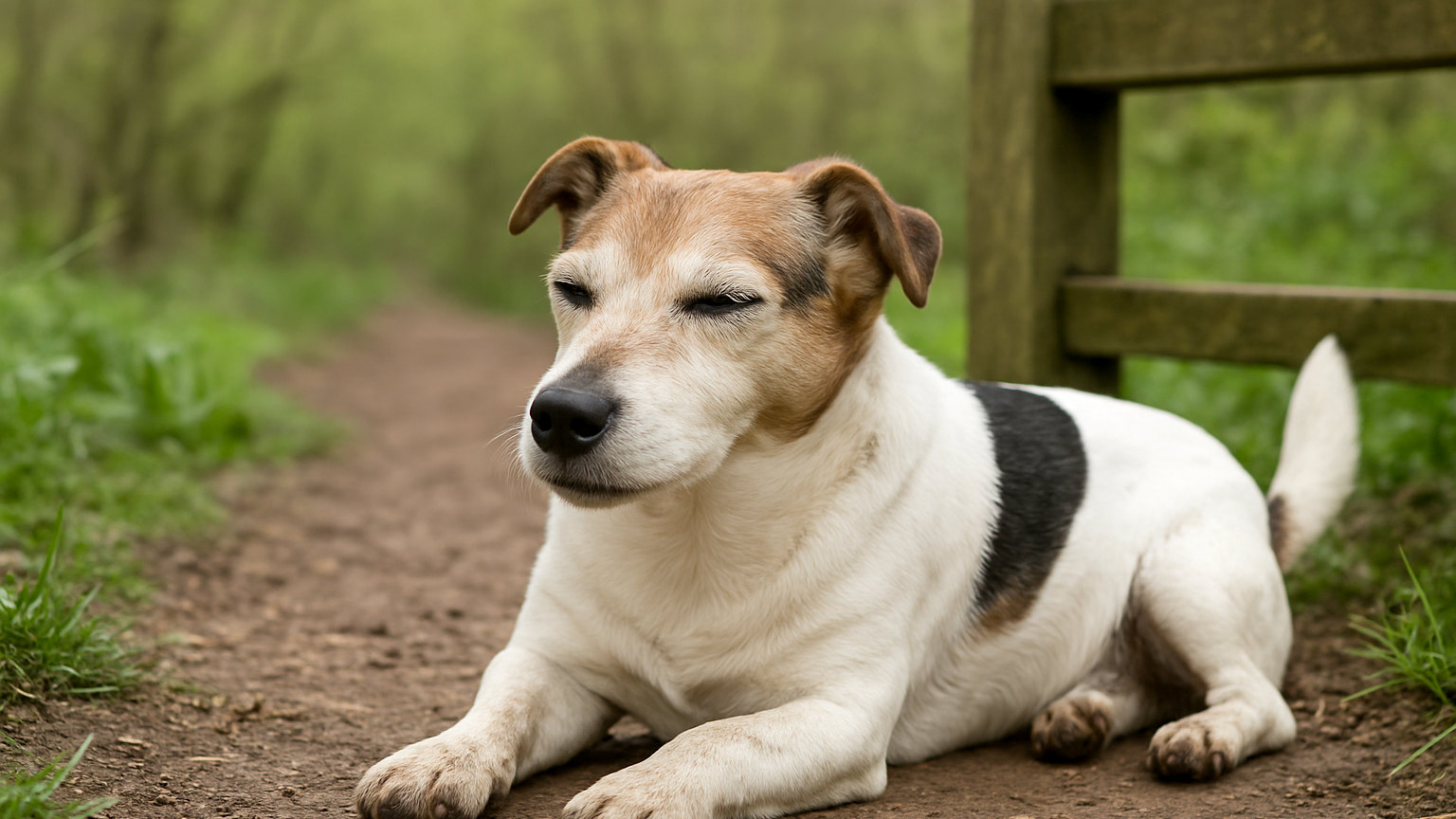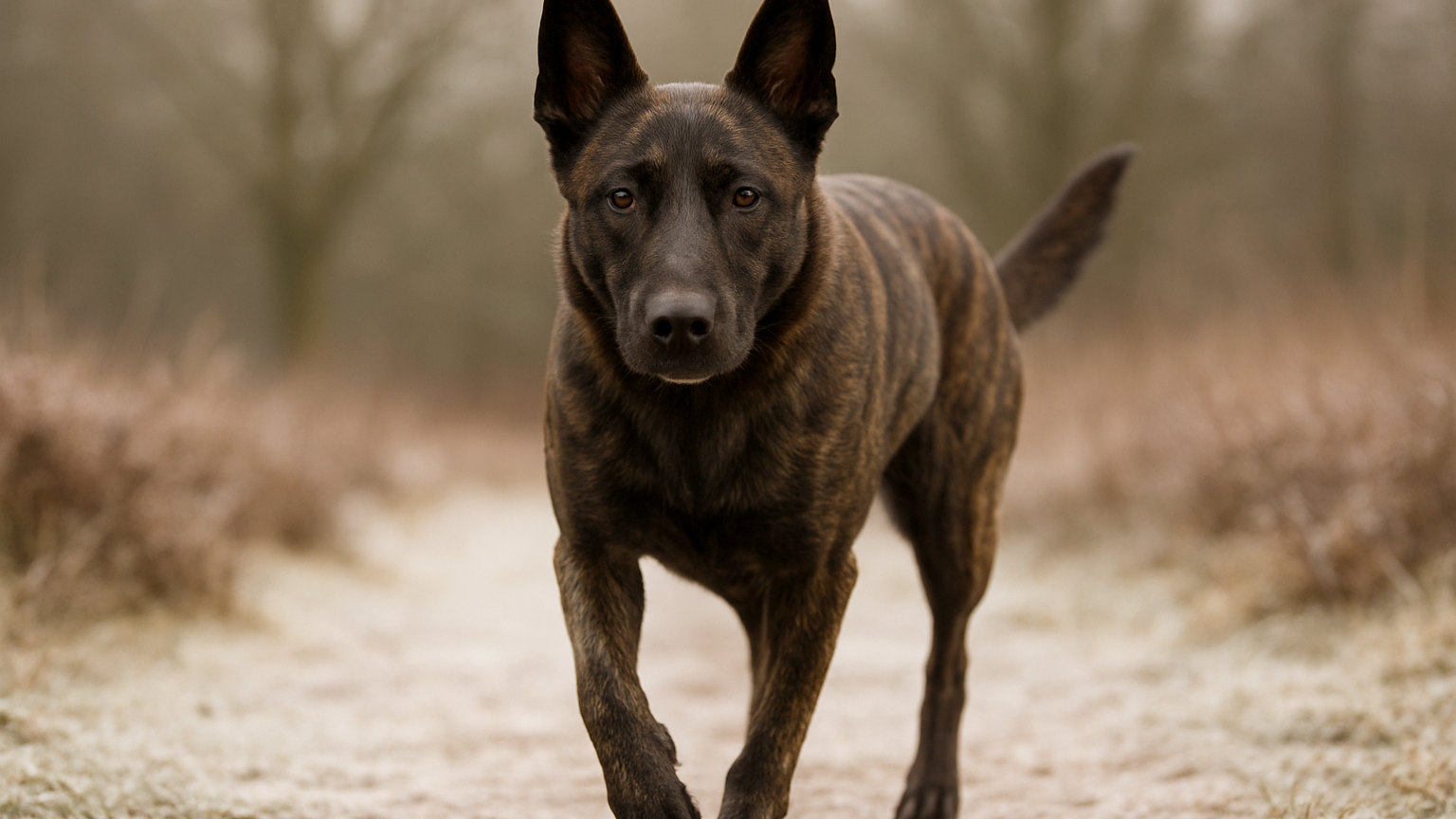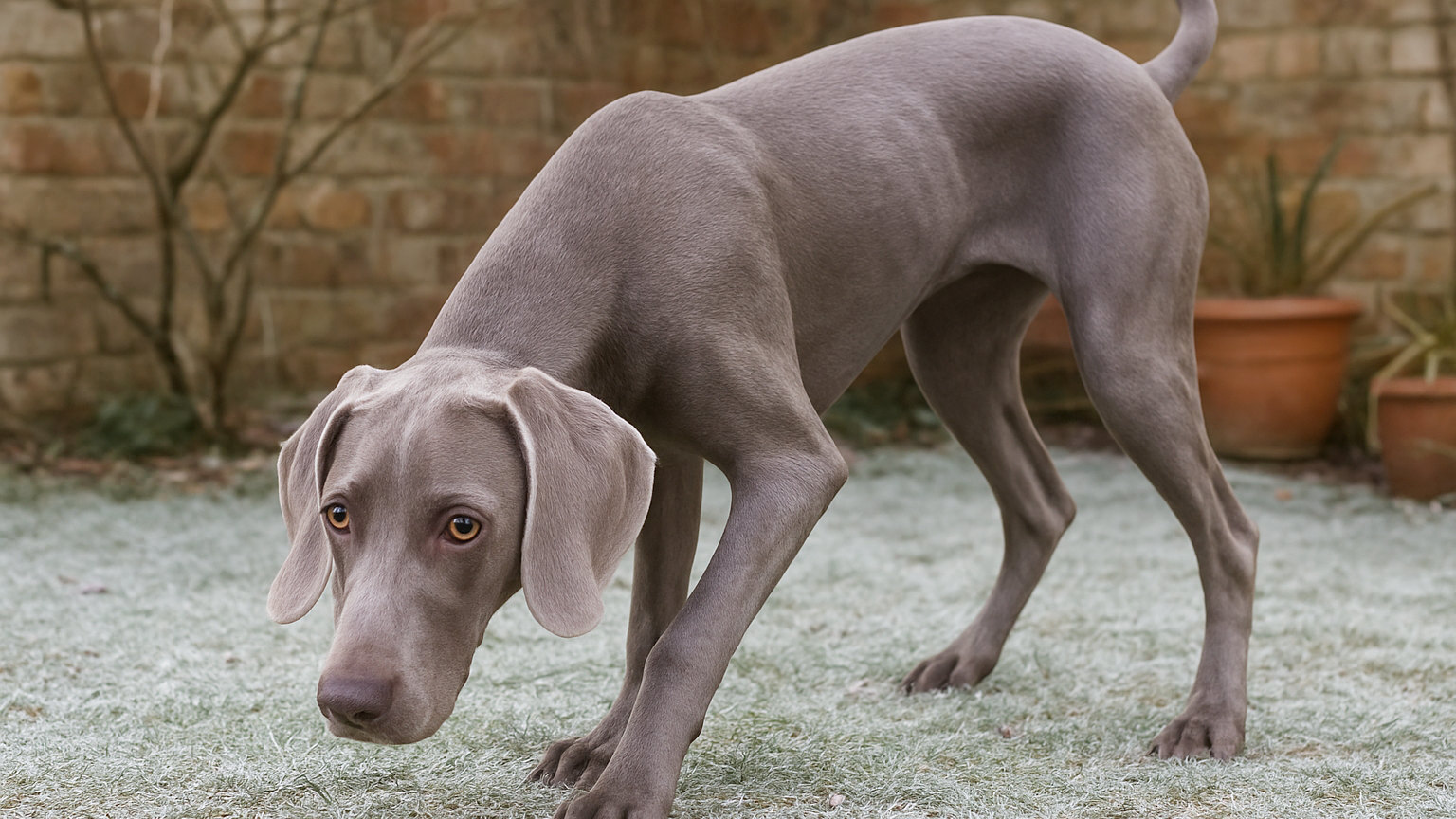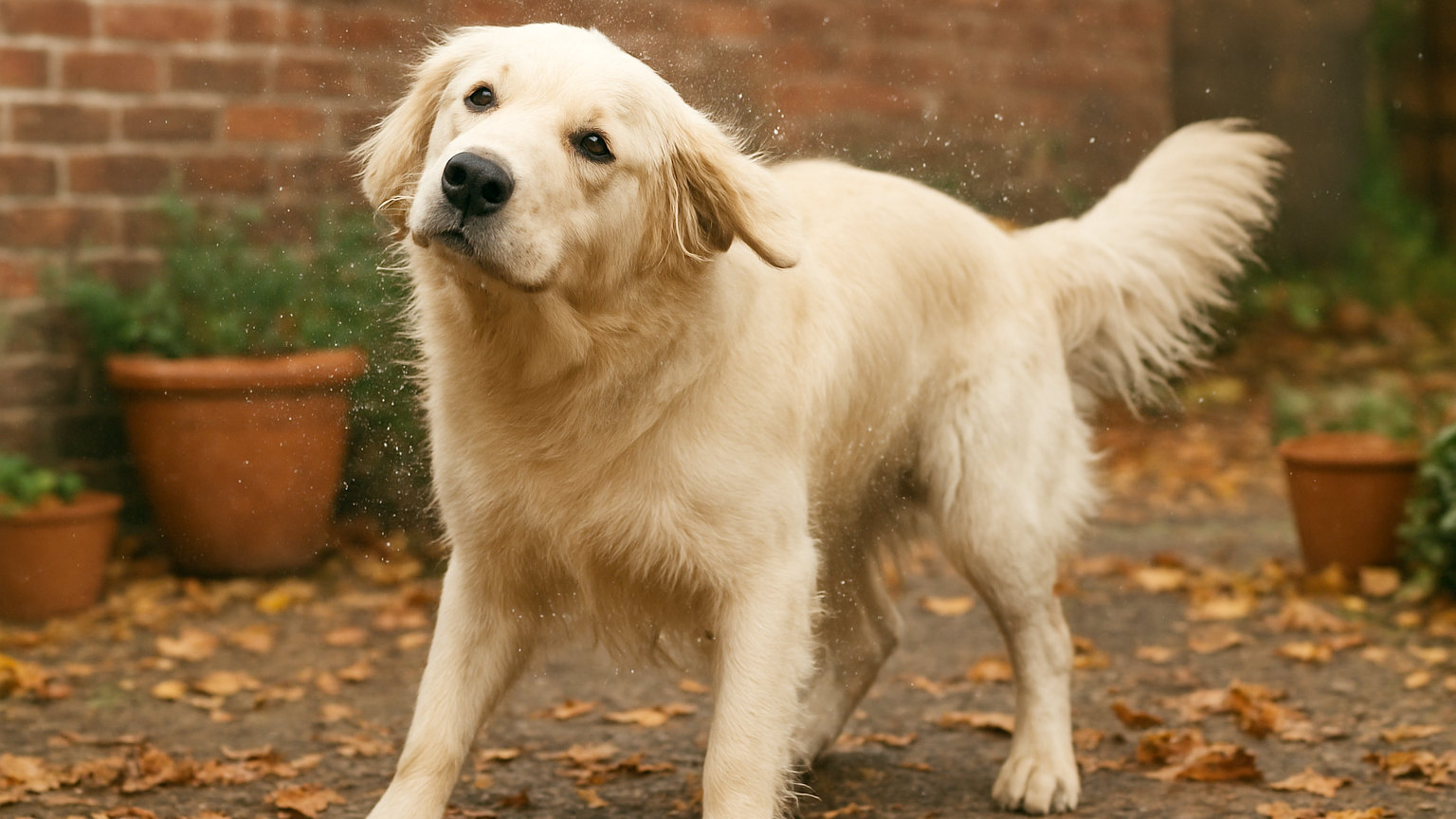
Toilet training an adult dog is generally quicker than training a puppy, since bladder control is already developed. What varies is what the dog has learned previously.
Why might a trained dog have accidents?
Because house training is partly location-specific. A dog that was reliable in its previous home does not automatically understand the arrangements in yours.
It may not know which door leads outside, how to signal, or that the garden is available. Stress from the move also affects bladder control genuinely.
Assume nothing and start as though the dog were untrained, which usually takes a fortnight or so rather than months.
What about dogs from kennels?
Dogs kept in kennels for extended periods may have learned to toilet where they sleep, since they had no alternative.
That is a harder habit to shift than simple lack of training, and it takes longer. The approach is the same, with more patience and more supervision.
Crate training may be less effective for these dogs, since the usual reluctance to soil a sleeping area has been eroded.
What is the approach?
The same as for a puppy, applied to an adult. Take the dog out frequently, initially every couple of hours and at all the key moments: on waking, after meals, after excitement and last thing at night.
Reward immediately and outside, at the spot, with something genuinely good. Supervise or confine when you cannot watch.
Clean any accidents with an enzymatic cleaner, since the dog will return to spots it can smell.
How long should it take?
Two to four weeks for most adult dogs, and considerably faster for one that was previously trained and simply needs to learn the new house.
Dogs with long kennel histories or from poor breeding environments take longer, sometimes a couple of months.
Could it be marking rather than toileting?
Worth distinguishing, since the approach differs. Marking involves small amounts, usually on vertical surfaces, often shortly after arriving somewhere new or when another dog has visited.
It is territorial rather than a lapse in training, and it is more common in entire males though bitches do it too.
Supervision, cleaning thoroughly, and reducing stress all help. Neutering reduces it in many dogs, though an established habit may persist.
Could it be medical?
Always worth ruling out early with an adult dog, particularly one whose history is unknown.
Urinary infections, bladder stones, kidney disease and diabetes all cause accidents. Spayed bitches sometimes develop urinary incontinence, which leaks while the dog is asleep and is very treatable.
A vet check in the first weeks is sensible anyway with a new rescue dog.
What about anxiety?
A dog that toilets only when left alone, alongside destruction, vocalising or drooling, is showing separation-related distress rather than a house training problem.
That needs addressing on its own terms, since more toilet trips will not resolve it. Never punish it, which increases anxiety and makes everything worse.
How do you set the house up?
Restrict access initially rather than giving the dog the run of the house. One or two rooms, with easily cleaned flooring where possible, until the routine is established.
Use baby gates rather than closing the dog away entirely, so it can still see and hear you while being supervised.
What about the settling period?
Expect the first fortnight to be harder than the weeks that follow. A rough pattern many rescues describe is three days to decompress, three weeks to start showing real personality and three months to feel settled.
Accidents during the first days frequently reflect stress rather than lack of training and often resolve on their own as the dog settles.
What if the dog was never house trained at all?
Common with dogs from commercial breeding establishments or long-term kennel situations, and it takes longer than retraining a dog that simply needs to learn a new home.
Treat it exactly as you would a puppy, with the advantage that bladder control is already developed. Expect four to eight weeks rather than two.
Be patient with dogs that were forced to soil where they slept, since the natural reluctance most dogs have has been eroded.