The idea that dry food keeps teeth clean is one of the most widely repeated beliefs in dog ownership. It is largely untrue, though there is a meaningful exception worth knowing about.
Why does ordinary kibble not clean teeth?
Because most kibble shatters on first contact rather than being chewed through. The tooth passes straight through with minimal contact and no scraping action.
Even where there is contact, it happens on the tips of the teeth rather than along the gum line, which is where periodontal disease begins.
Many dogs also swallow kibble with almost no chewing at all, particularly larger breeds eating quickly.
What makes dental diets different?
Two things. The kibble is considerably larger, forcing the dog to bite into it rather than swallowing it whole, and it is engineered with a fibre matrix that holds together as the tooth sinks in.
That means the tooth passes through the kibble while it remains intact, wiping the surface down towards the gum line rather than shattering away from it.
Some also include compounds that bind calcium in saliva, reducing the rate at which plaque mineralises into tartar.
These diets have measurable evidence behind them, and those carrying the Veterinary Oral Health Council seal have demonstrated it in trials.
Does wet food make teeth worse?
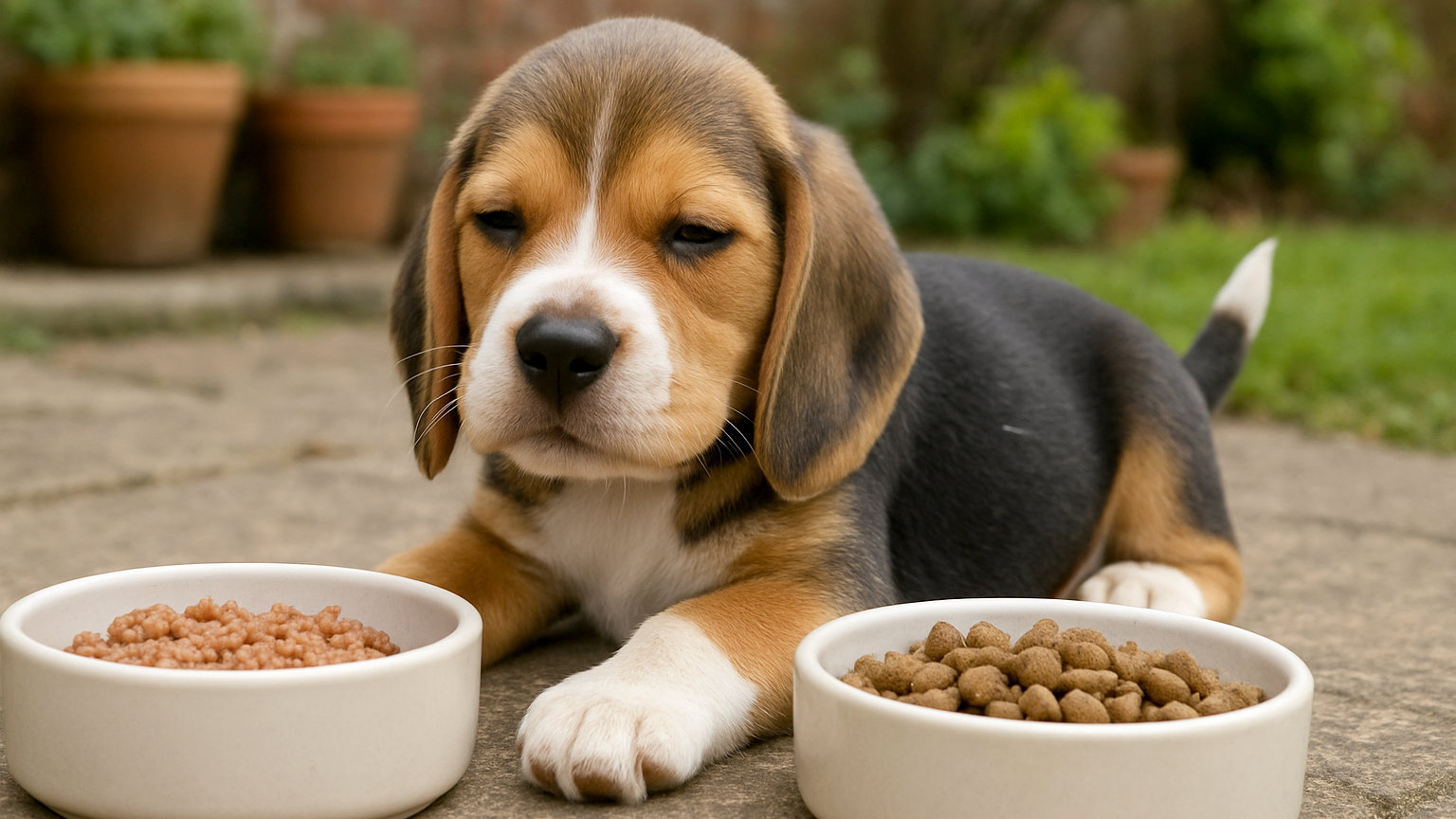
Not as directly as often claimed. Wet food provides no mechanical cleaning at all, but neither does ordinary kibble in any meaningful sense, so the difference between them is smaller than assumed.
Wet food does have advantages elsewhere, particularly hydration and palatability for older dogs. Choosing it is not condemning a dog to dental disease provided teeth are brushed.
What about raw bones?
This is where the debate is sharpest. Raw feeding advocates point to visibly cleaner teeth, and chewing bones does provide genuine mechanical abrasion.
The counterweight is fracture risk. Weight-bearing bones from large animals are among the most common causes of slab fractures in the large upper premolars, and those need extraction or root canal treatment.
Other risks include obstruction, perforation from splinters and constipation. Cooked bones must never be given at all, as they splinter readily.
If you use bones, choose softer raw ones appropriate to the dog's size, supervise closely and accept that some fracture risk remains.
Do water additives help?
Modestly. Products containing antibacterial agents can reduce plaque formation, and some carry the VOHC seal, which is the most reliable indicator available.
They are easy to use and reasonable as an addition. They do not remove existing tartar and are not a substitute for brushing.
Do chewing habits matter more than food?
Probably. A dog that regularly chews appropriate items gets more mechanical cleaning than one that never chews at all, regardless of what it eats.
The key is choosing chews with some give rather than hard objects that fracture teeth. If you cannot indent it with a thumbnail, it is too hard.
What is the practical conclusion?
Diet plays a supporting role at best. A dental diet or a VOHC-approved chew genuinely helps, but nothing you put in the bowl replaces disrupting plaque along the gum line daily.
Brush the teeth, use diet and chews as an addition, and have the mouth checked annually.
Does chewing on a bowl of dry food matter at all?
Marginally. Larger kibble that a dog has to bite into gives slightly more contact than small pieces swallowed whole, so feeding a size appropriate to the dog is worth doing.
Slowing eating down with a puzzle feeder or slow bowl increases chewing time, which has a modest benefit alongside its other advantages.
None of this changes the fundamental point. If your dental strategy consists of feeding dry food, the dog has no dental strategy.
Diet is a useful lever and a weak one. Choose a dental diet if it suits your dog, use sensible chews, and treat both as support for the toothbrush rather than a replacement for it.