Every dog develops plaque, but some are far more likely to develop serious disease. The pattern is consistent enough to be worth planning around if you own one of the higher-risk breeds.
Why are small breeds worst affected?
Because tooth size has not reduced in proportion to jaw size. A Chihuahua has the same forty-two adult teeth as a Great Dane, packed into a jaw a fraction of the length.
Crowded, overlapping and rotated teeth trap food and plaque in places the tongue cannot clean. Once tartar forms in those spaces it accumulates rapidly.
Small breeds also have proportionally larger tooth roots relative to jaw bone, so periodontal disease destroys a greater share of the supporting bone. Jaw fracture is a genuine risk in advanced disease in toy breeds.
Which small breeds are highest risk?
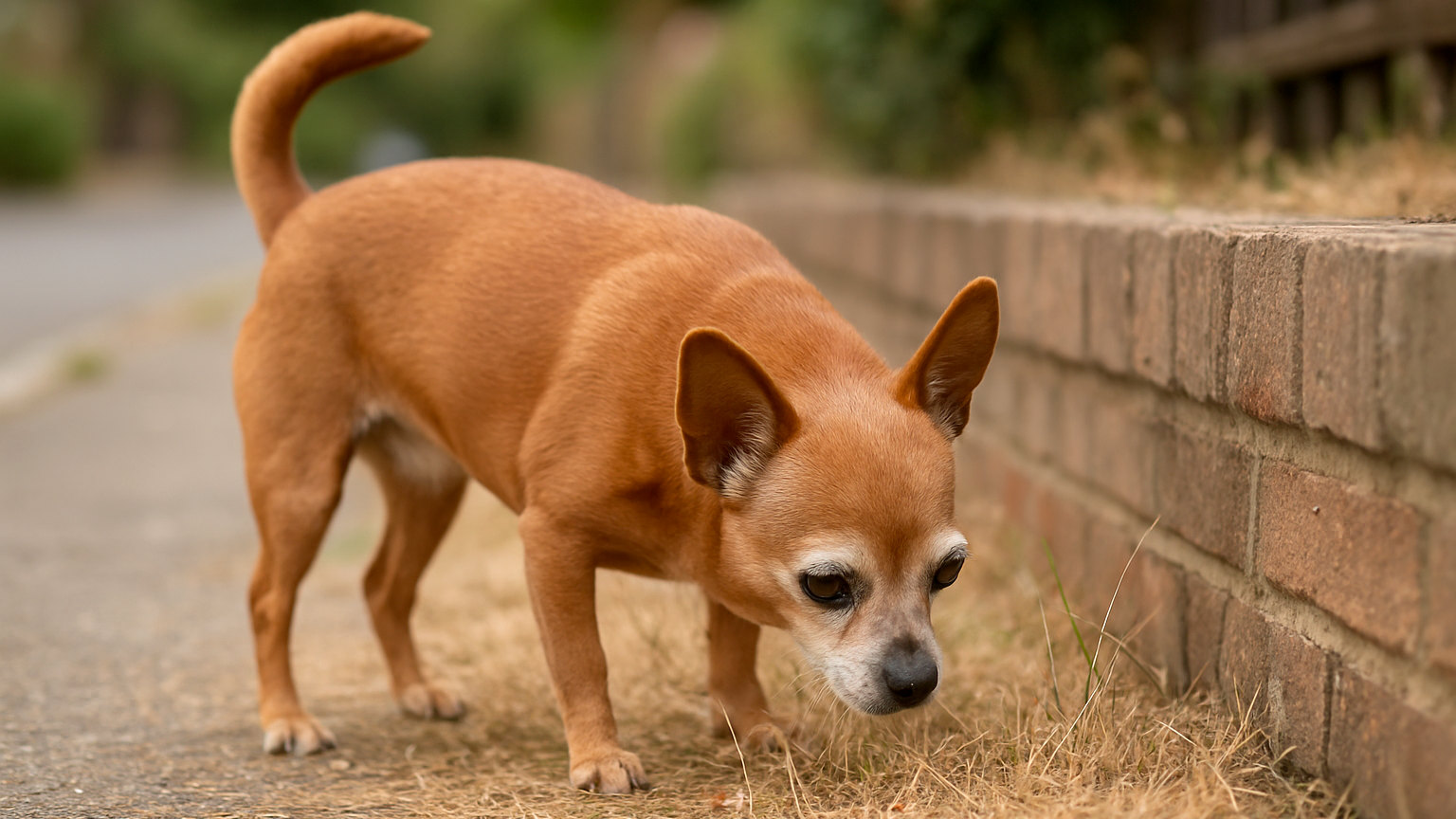
Yorkshire Terriers, Chihuahuas, Miniature and Toy Poodles, Maltese, Pomeranians, Dachshunds, Shih Tzus and Papillons all feature consistently.
Retained puppy teeth are also more common in these breeds, which creates crowding from the outset. Owners of toy breeds should expect dental care to be a lifelong routine rather than an occasional concern.
What about flat-faced breeds?
Also strongly affected. A shortened skull means teeth are crowded, rotated and frequently overlapping, and the bite is often abnormal.
Pugs, French Bulldogs, Bulldogs, Shih Tzus and Boston Terriers commonly have teeth in unusual positions, and some have teeth that never erupt properly and form cysts in the jaw.
Lips that do not close fully allow the mouth to dry, which alters the oral environment and encourages plaque.
Are there other predisposed breeds?
Greyhounds are notably prone, and severely so relative to their size. The reason is not fully established, but retired racing Greyhounds frequently arrive in rescue with significant dental disease and it is often the first thing addressed.
Whippets and Italian Greyhounds share the tendency. Some larger breeds are prone to fractured teeth rather than periodontal disease, particularly enthusiastic chewers such as Labradors and German Shepherds.
Does age matter?
Considerably. Disease is cumulative, so prevalence rises steadily with age, and most dogs over about three years old show some degree of change.
Older dogs also more often have other conditions that make anaesthetic planning more complex, which is an argument for addressing dental problems earlier rather than waiting.
Do other factors contribute?
Chewing habits matter. Dogs that chew hard objects fracture teeth, and dogs that chew nothing at all get no mechanical cleaning whatsoever.
Some individuals simply form tartar faster than others on identical routines, which appears to be partly genetic. Dogs with immune-mediated conditions and those on certain medications can also be more affected.
What should higher-risk dogs have?
Daily brushing from puppyhood, without exception. For a Yorkshire Terrier or a Chihuahua this is not optional if you want the dog to keep its teeth.
Veterinary dental checks at least annually and often twice yearly. Early professional cleaning rather than waiting for visible tartar, since intervening at gingivitis stage prevents irreversible bone loss.
Check insurance carefully too, since many policies exclude dental treatment or require documented annual checks for cover to apply.
What should owners of these breeds do differently?
Start brushing on day one and treat it as non-negotiable rather than something to attempt when convenient. For a toy breed, daily brushing is what determines whether the dog keeps its teeth into old age.
Ask the vet to check the mouth at every appointment rather than only at the annual booster, and act on early gingivitis rather than waiting for visible tartar.
Budget for dental work as a likely recurring cost rather than an unexpected one, and check what your insurance policy actually covers before you need it.
None of this means avoiding these breeds. It means going in knowing that dental care is part of the package, in the same way that grooming is part of owning a Poodle, and planning for it accordingly. Ask your vet at the next appointment which specific risks apply to your breed, since the answer differs considerably between a Yorkshire Terrier and a Labrador.