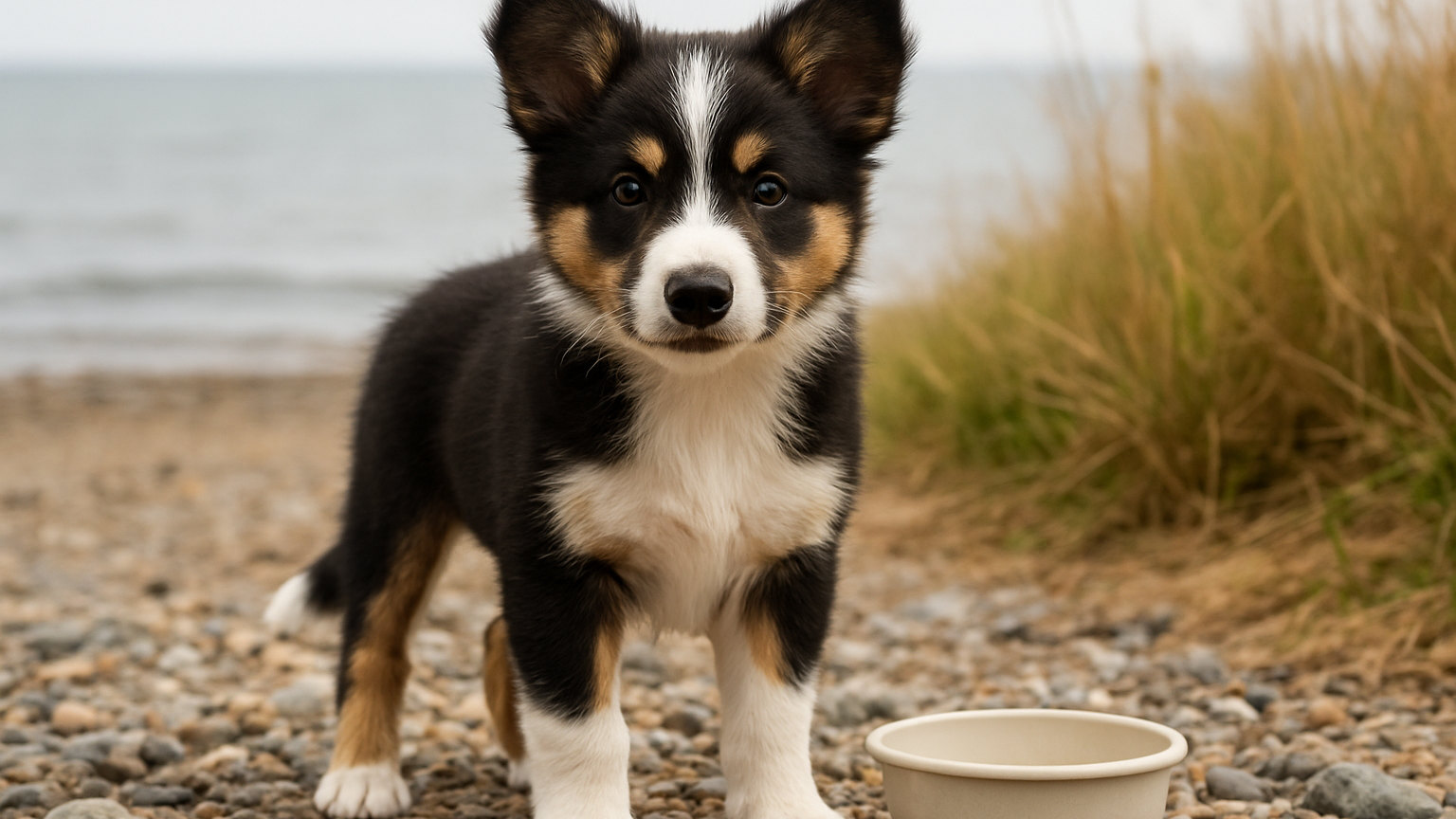
Most owners assume public space means dogs are welcome. In practice, local rules vary considerably and are enforced with fixed penalty notices, so knowing what applies locally is worth a few minutes.
What is a Public Spaces Protection Order?
A power councils use to control behaviour in specific areas, and dogs are one of the most common subjects. An order can require dogs to be on leads in a given area, exclude them entirely from places such as playgrounds or marked sports pitches, or limit how many dogs one person may walk.
Orders can also require owners to carry a means of picking up faeces, and to put a dog on a lead when directed by an authorised officer.
Breaching one is a criminal offence, usually dealt with by a fixed penalty notice. They vary by council, so rules can change when you cross a boundary.
Where do you find the rules?
On your council's website, which publishes the orders in force, and on signage at entrances to parks, beaches and open spaces.
Signage is the practical guide, and it is worth actually reading rather than assuming continuity with the last place you walked. Neighbouring authorities frequently differ.
What about beaches?
Many UK beaches restrict dogs seasonally, commonly from around May to September, either excluding them from marked sections or requiring leads.
Restrictions usually apply to the busiest stretches while quieter parts remain open all year. Dates and boundaries vary by council, so check before travelling.
Watch for other beach hazards too: dogs drinking seawater can become seriously unwell, and jellyfish, hooks and hot sand all cause problems.
What is access land?
Areas of mountain, moor, heath, down and registered common where the public has a right to roam beyond footpaths.
Dogs must be on a short lead of two metres or less between the start of March and the end of July, protecting ground-nesting birds, and at any time near livestock. Some access land excludes dogs altogether.
Public footpaths and bridleways across farmland are different: you have a right of way along the path, and dogs should be under close control and on a lead near livestock.
What about woodland and nature reserves?
Forestry land is generally accessible and dog friendly, though restrictions apply during forestry operations and in some wildlife areas.
Nature reserves frequently restrict dogs or require leads, particularly during breeding seasons. National Trust and similar properties vary site by site and publish their rules online.
What are the rules on fouling?
Failing to pick up is an offence in almost all public places and attracts a fixed penalty. Many orders also make it an offence to be without a means of picking up when asked by an officer, so carry bags visibly.
Take bagged waste with you rather than leaving it hanging on fences or in hedges. This applies in the countryside as much as in town, since dog faeces carry parasites that infect livestock.
What else applies everywhere?
A dog in a public place must wear a collar with the owner's name and address on it or on an attached tag, and must be microchipped with current registered details.
Owners are responsible for keeping a dog under control in all places, including private property. Dangerously out of control covers a dog that makes someone reasonably fear injury, which does not require a bite to have occurred.
What about private land and gardens?
A dog on private land without permission is trespassing, and the owner is responsible. This includes fields, golf courses, school grounds and railway land.
Dog control law applies on private property too, including your own home. A dog that is dangerously out of control in a house or garden, including towards a visitor, is covered by the same legislation as one in a park.
Check your garden fencing at the base as well as the height, since a dog that escapes and causes an accident on a road leaves you liable.