How Do You Adapt a Home for an Older Dog?
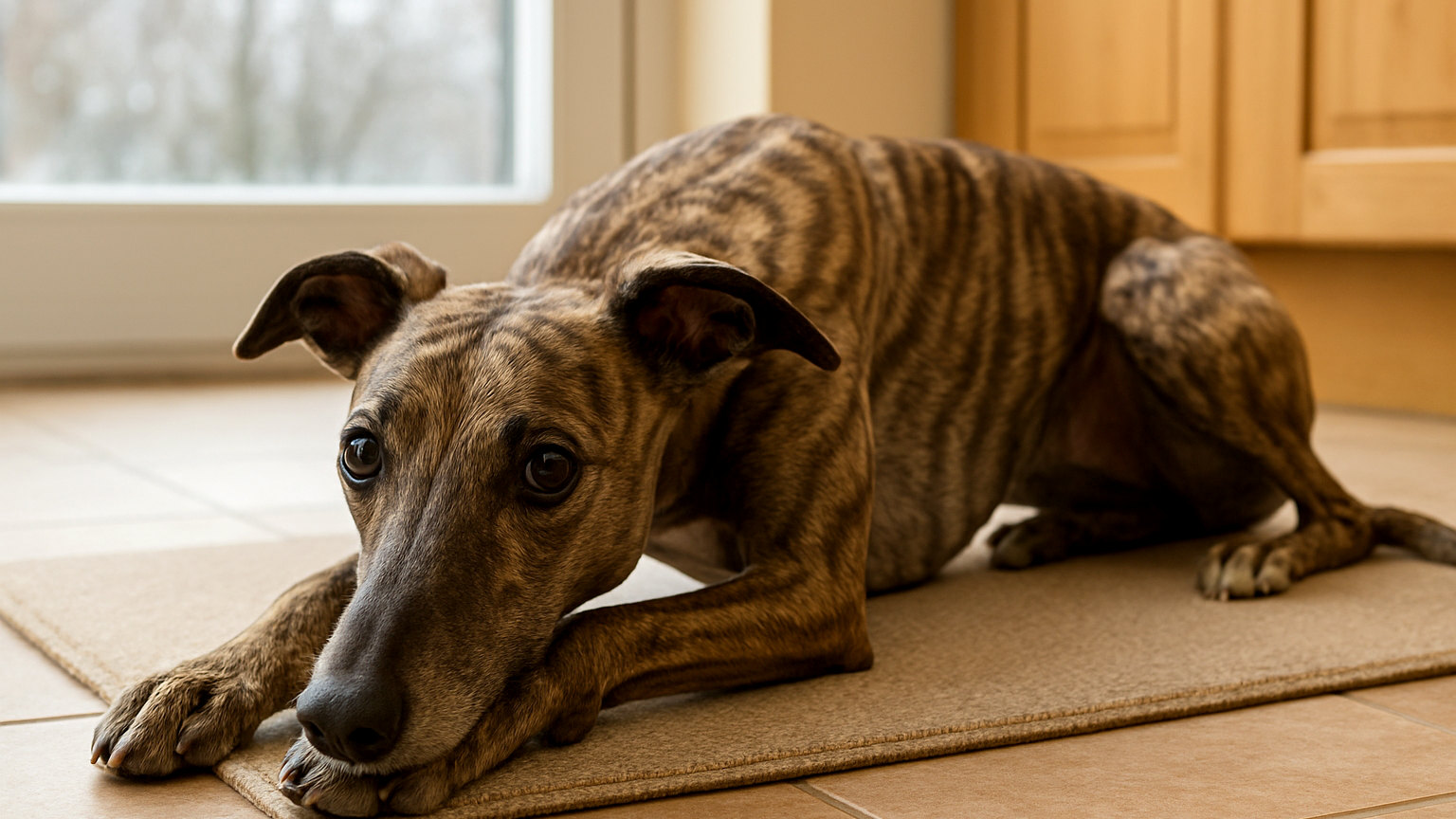
Slippery flooring is the single biggest hazard for an older dog, and fixing it costs less than most of the alternatives.
By Dog Guides Editorial
18 Apr 2026

The hardest part of a dog being unwell is that it cannot tell you where it hurts, so you are left reading behaviour, appetite and posture and guessing how worried to be. These guides explain what the common symptoms usually mean, which conditions are frequent at which ages, what the routine preventive care actually protects against, and the specific signs that mean an appointment today rather than keeping an eye on it. They are written to help you have a better conversation with your vet, not to replace one.
Slippery flooring is the single biggest hazard for an older dog, and fixing it costs less than most of the alternatives.
Mental work matters more as physical exercise reduces, and there is evidence it helps slow cognitive decline as well as filling the day.
Old age is not a diagnosis, and a great many changes owners attribute to it turn out to be treatable conditions.
Dogs rarely cry out with chronic pain. They become quieter, slower and less tolerant, which is why it is so often mistaken for age.
Age is not itself a reason to decline surgery, and declining a dental on age grounds frequently leaves a dog in chronic pain.
Quality of life is easier to judge on paper than from memory, which is why keeping a simple record matters so much.
There is rarely a single moment of certainty, which is why most owners find the decision so hard and why guilt is nearly universal.
Knowing what will happen removes a good deal of the fear, and the process itself is quick and peaceful.
Grief after losing a dog is real grief, and the sense that others expect you to move on quickly makes it harder rather than easier.