Can a Business Ask for Assistance Dog Proof?
A business can ask, and it cannot make proof a condition of entry, because no proof exists to require.
By Dog Guides Editorial
27 Jul 2026

The decisions made before a dog arrives, and in its first fortnight in the house, shape most of what follows. These guides cover finding a breeder who is not a dealer, what rescue centres are actually assessing you for, how to set the house up so the first night goes well, how to introduce a dog to children safely, and the legal duties that come with ownership in the UK. A dog is somewhere between ten and fifteen years and several thousand pounds, and it is worth being clear-eyed about that at the start.
A business can ask, and it cannot make proof a condition of entry, because no proof exists to require.
Choose the dog that fits your life rather than the one that most needs rescuing, because a failed adoption helps nobody.
Some behaviour histories are entirely manageable and some are not, and the difference lies in specifics rather than in the label.
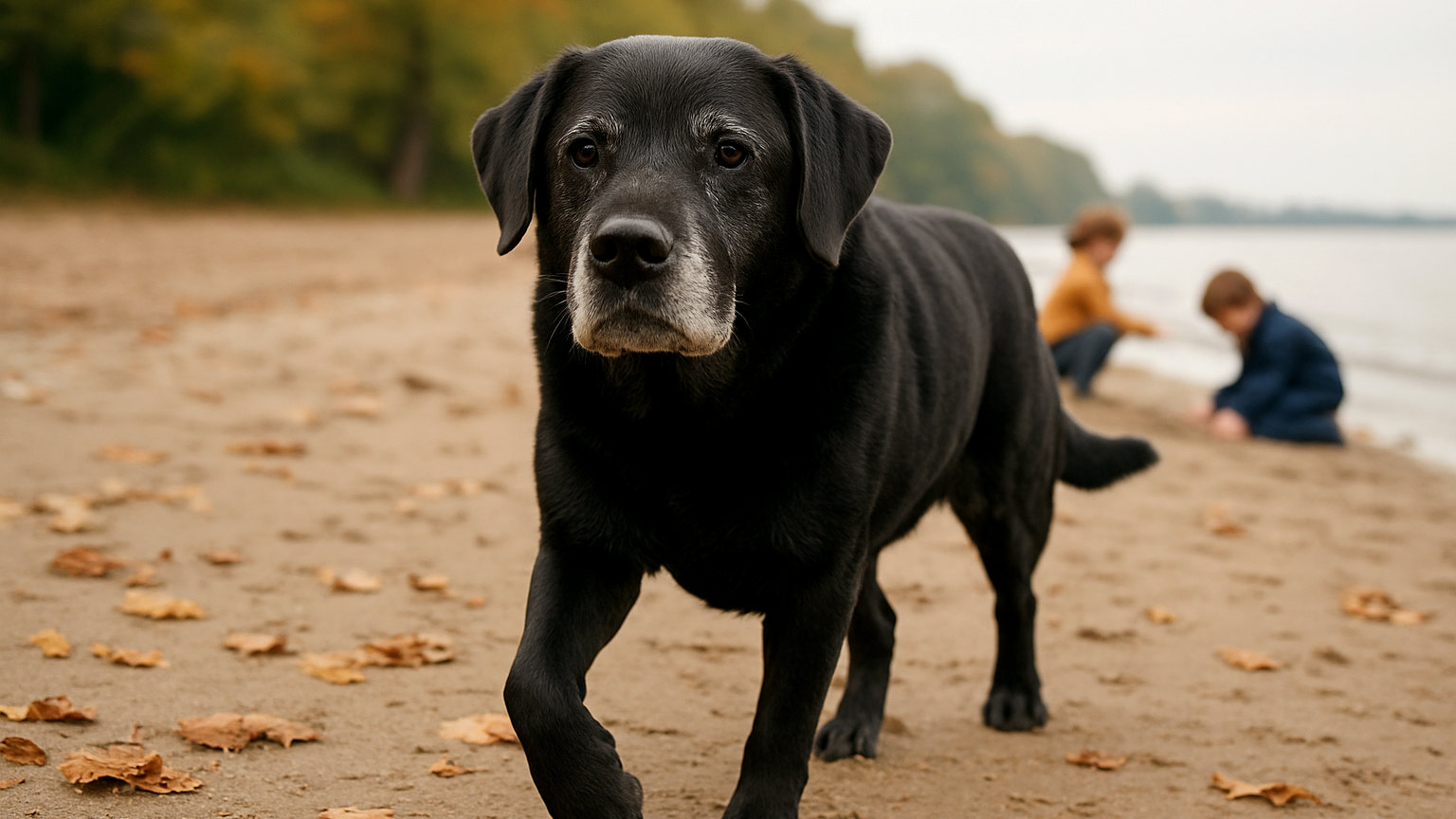
Older dogs come with known temperaments and settled habits, and they wait considerably longer in rescue than anything else.
A rough guide to settling: three days to decompress, three weeks to learn the routine, three months to feel at home.
The Equality Act requires service providers to make reasonable adjustments, and admitting an assistance dog is almost always one of them.
The adoption fee usually covers neutering, vaccination and microchipping, and is rarely more than a fraction of what the rescue spent.
Yes, provided you have written permission, which is the single thing rescues will ask for and the thing most applicants lack.
Overseas adoption saves individual dogs and brings real disease and behavioural risks that adopters are frequently not told about.
The most valued task is anchoring, where the dog is attached to the child and can slow or stop them running into danger.
Fostering gives a dog a home while it waits, costs are usually covered by the rescue, and it is the single most useful thing volunteers do.
Contact the rescue early rather than at crisis point, because most problems in the first weeks are settling issues with solutions.