How Do You Check a Dog's Temperature and Pulse?
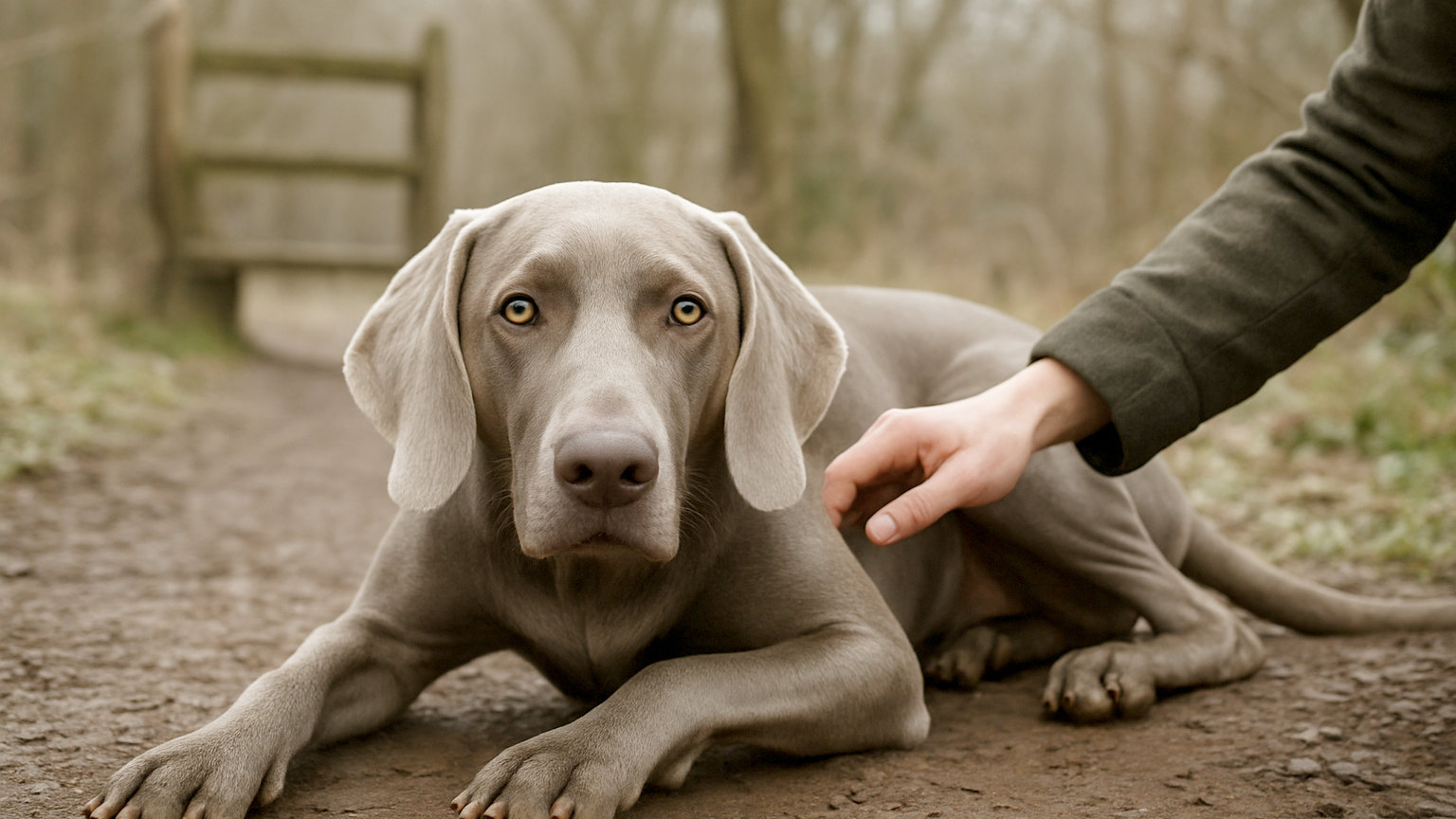
Knowing your dog's normal vital signs when it is well is what makes the readings useful when it is not.
By Dog Guides Editorial
18 Apr 2026

Most of what keeps a dog well is unglamorous and repetitive: the right amount of the right food, enough of the right kind of exercise, teeth that get cleaned, a coat that gets brushed before it mats. These guides cover the everyday side of owning a dog, including how much your dog should actually be eating, how often it genuinely needs grooming, and which of the products marketed at you are worth the money. Get the routine right and a good deal of the health section becomes theoretical.
Knowing your dog's normal vital signs when it is well is what makes the readings useful when it is not.
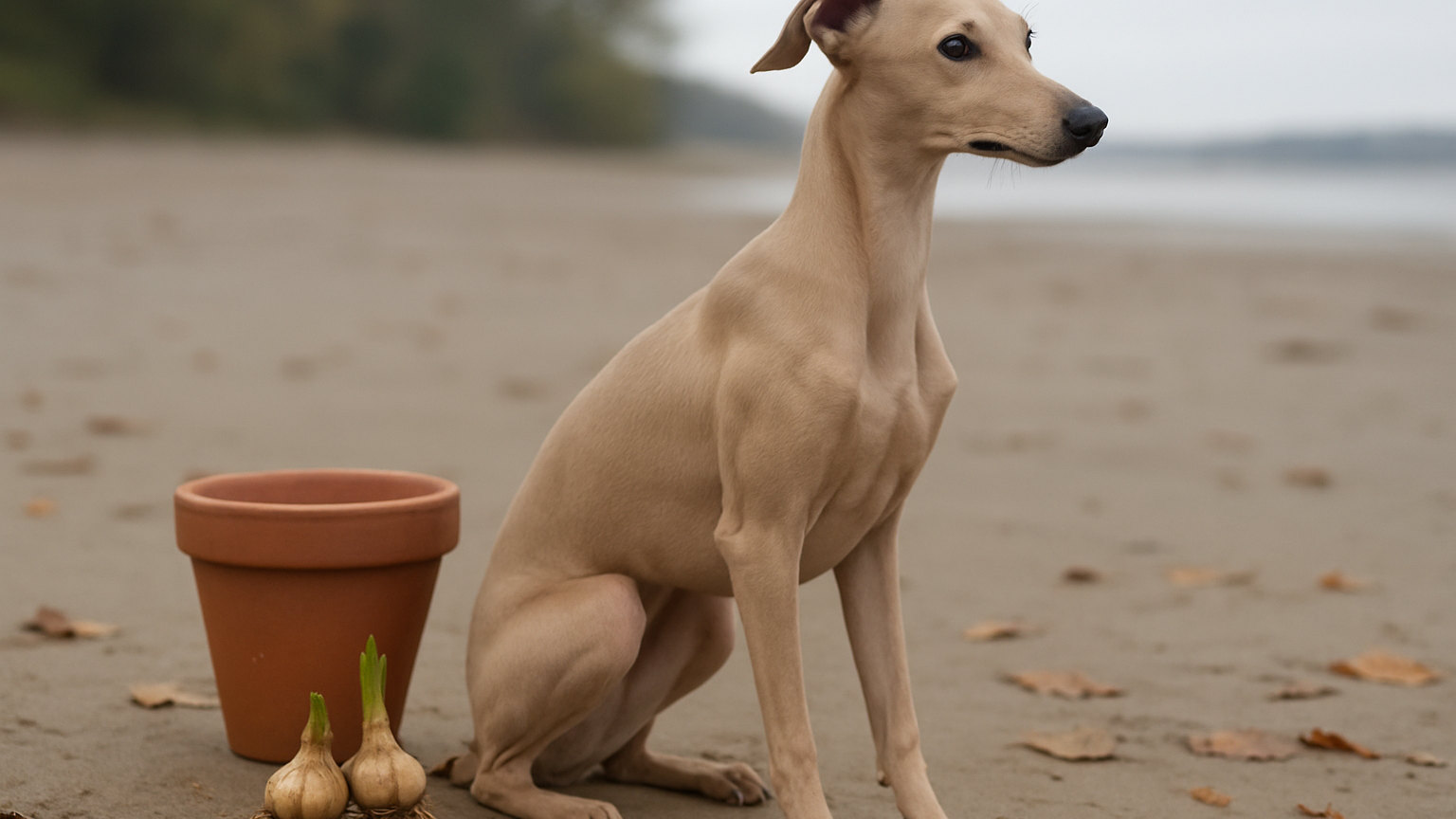
Spring bulbs and a handful of common garden plants account for most cases, and bulbs are considerably more toxic than the flowers.
The type of policy matters far more than the monthly price, and the single biggest factor is how early you take it out.
There is no legal checklist in the UK, and accredited organisations apply consistent standards covering behaviour, health and presentation.
Register before you need one, and ask about out-of-hours arrangements first, since that is the part that matters at three in the morning.
The first hour matters most, and the most useful thing you can do is often to stay where the dog was last seen rather than searching.
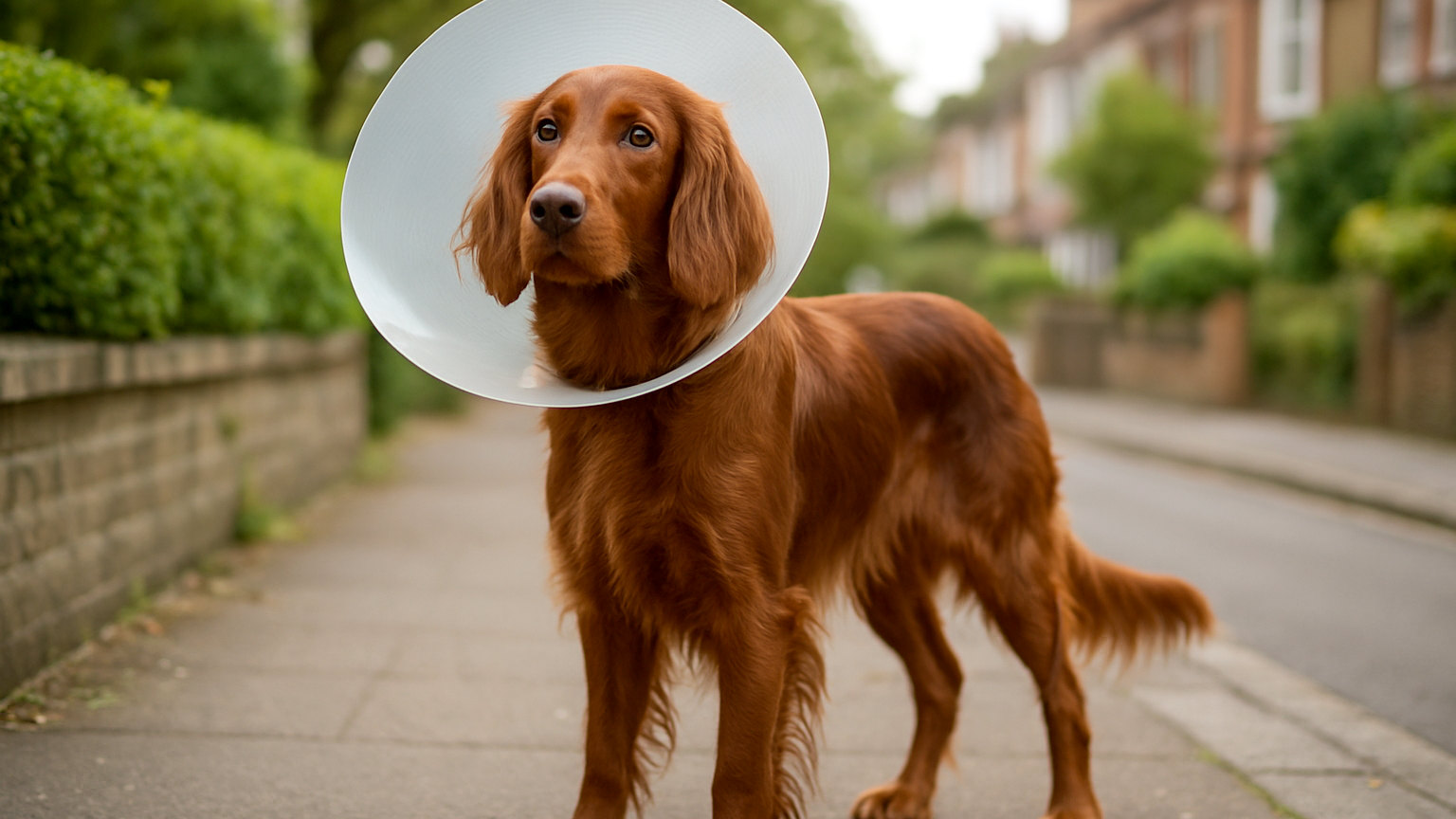
The cone is unpopular and it is preventing the complication that would otherwise send you back to the vet within a week.
Dogs settle better when the shape of the day is familiar, though a routine that is too rigid creates its own problems.
Every owner needs a plan for the days they cannot manage, and arranging it before it is needed is considerably easier than during a crisis.
Good records matter most on the day you are least able to remember anything, which is usually the day something has gone wrong.