How Do You Groom a Puppy for the First Time?
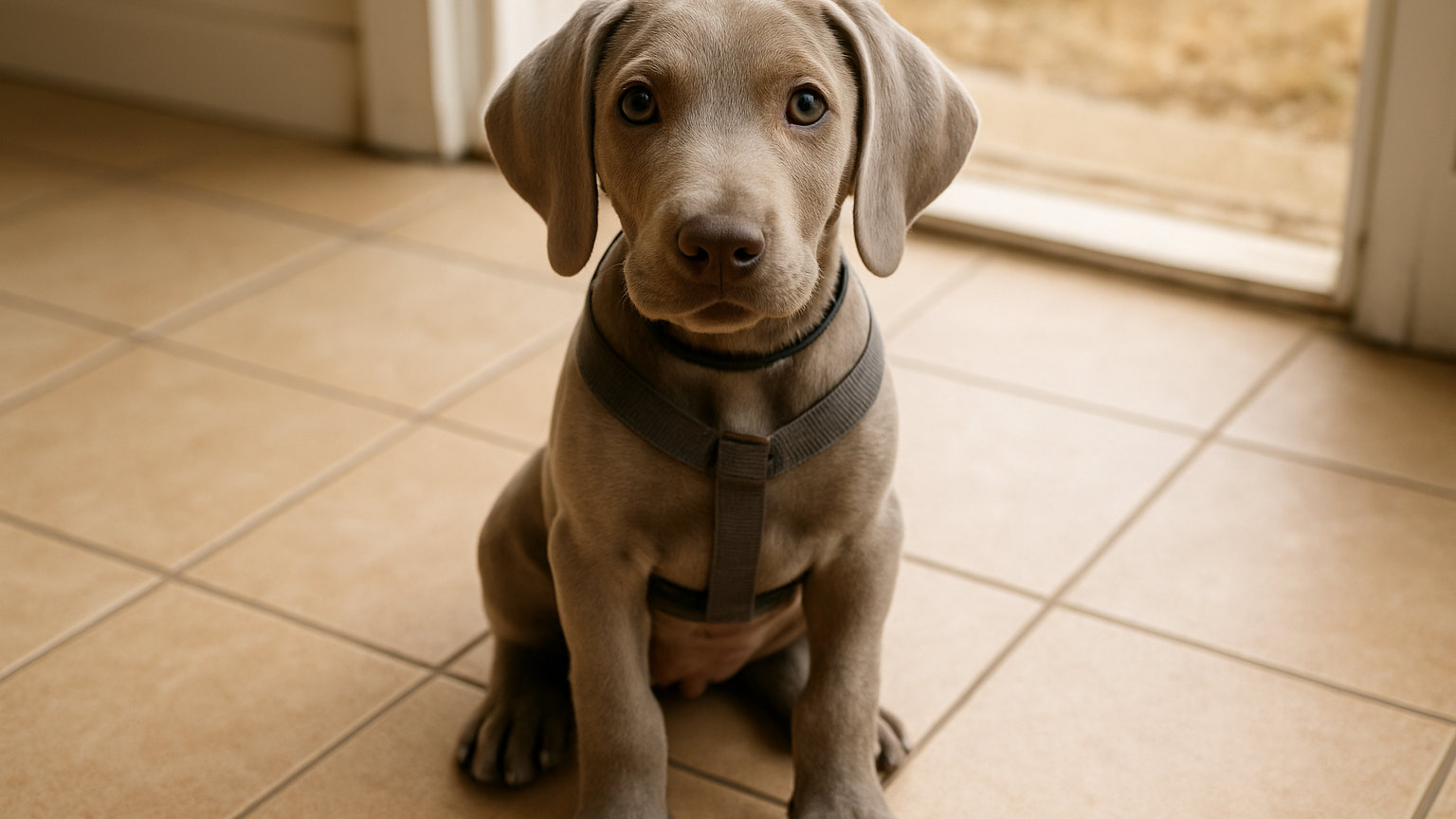
The work that makes a dog easy to groom for life is done in the first few weeks, and almost none of it involves actually grooming.
By Dog Guides Editorial
7 Jul 2026

Most of what keeps a dog well is unglamorous and repetitive: the right amount of the right food, enough of the right kind of exercise, teeth that get cleaned, a coat that gets brushed before it mats. These guides cover the everyday side of owning a dog, including how much your dog should actually be eating, how often it genuinely needs grooming, and which of the products marketed at you are worth the money. Get the routine right and a good deal of the health section becomes theoretical.
The work that makes a dog easy to groom for life is done in the first few weeks, and almost none of it involves actually grooming.
A dog that smells shortly after a bath almost always has a medical reason, and washing it again will not help.
Paws take more punishment than any other part of a dog and get checked least. A weekly look catches most problems while they are still minor.
The honest answer ranges from thirty minutes to well over two hours, and what a dog was bred to do predicts it far better than what it weighs.
A good walk is measured by what the dog got to do rather than how far it went, and sniffing is worth more than pace.
Puppies can go out before they can walk, and the weeks spent waiting for vaccinations are the most important of their lives.
A harness is the safer attachment point for almost every dog, though the law still requires a collar and tag in public.
Off-lead freedom is earned rather than granted, and for some breeds a long line in a safe field is the honest answer permanently.
Dogs die of heatstroke in Britain every summer, and exercise is a more common cause than parked cars.
Winter walking is mostly manageable, but road salt, antifreeze and frozen water account for a steady stream of avoidable emergencies.
Livestock worrying is a criminal offence, and a dog does not have to touch an animal for it to count.
Twenty minutes of nose work settles most dogs more effectively than an extra mile, which is useful on days when walking is impossible.