Which Medium Dog Breeds Shed the Least?
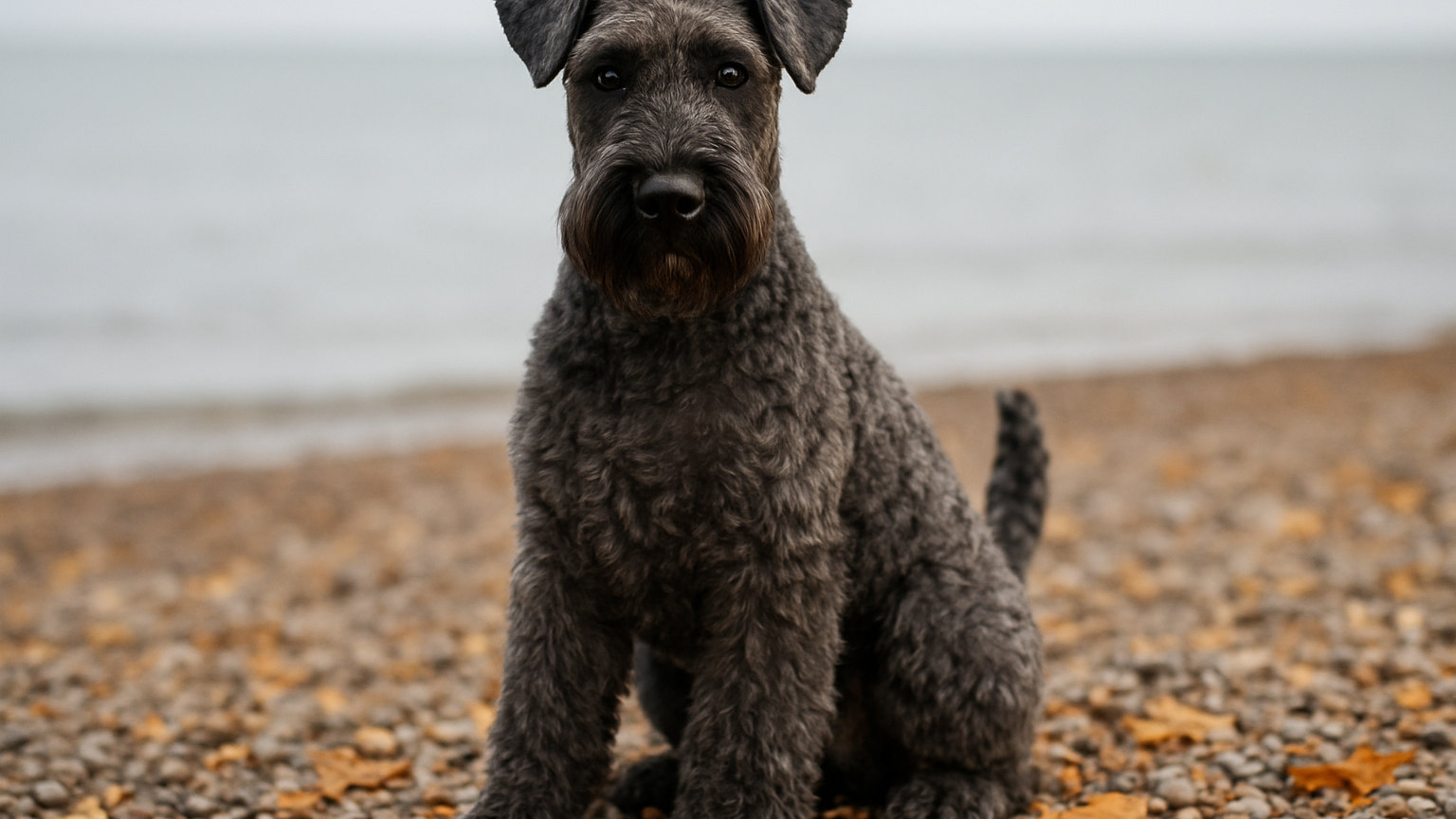
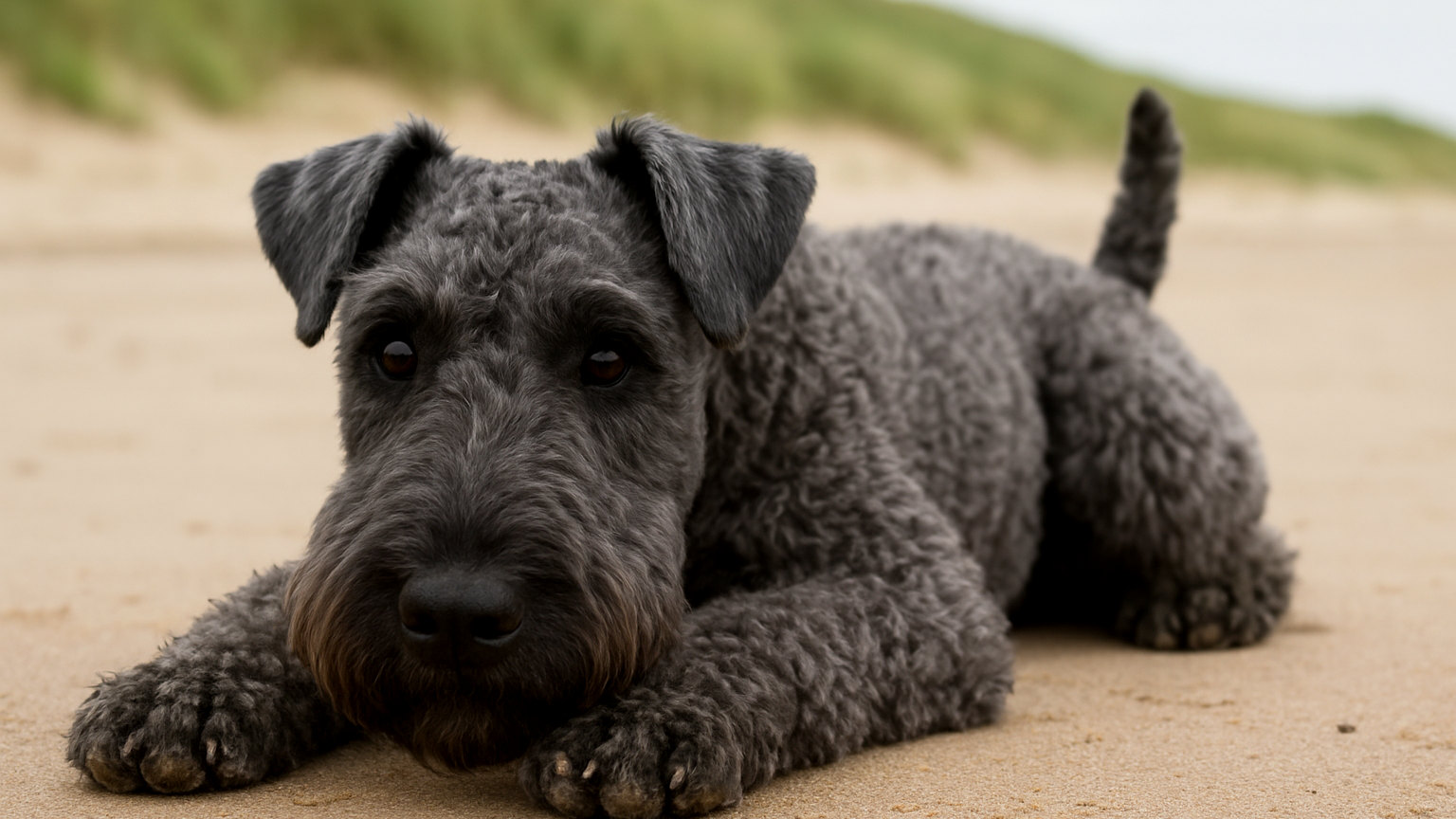
Low-shedding medium breeds exist, but the hair still grows. You are choosing between hair on the floor and hair you must brush out.
By Dog Guides Editorial
22 Jun 2026

Almost every breed description online was written to make the breed sound appealing, which is how people end up with a working dog in a flat and no idea why it has eaten the sofa. These guides cover what each breed was bred to do, how much exercise and grooming it genuinely needs, the health problems it is prone to, and the kind of household it does badly in. The aim is to help you pick a dog you will still be happy with in eight years, not just one that looks good in photographs.
Low-shedding medium breeds exist, but the hair still grows. You are choosing between hair on the floor and hair you must brush out.
Floor space is rarely the limiting factor. Noise, the ability to settle and access to outdoor space matter considerably more.
Working breeds can be superb family dogs, but only in households that give them something to do. Most rehoming happens at adolescence.
Medium breeds avoid the extremes of both size categories, but hip disease, ears and weight account for most of what owners actually encounter.
Some breeds tolerate solitude better than others, but the training matters more than the breed, and no dog should be alone all day.
Trainability is about willingness to work with people rather than raw intelligence. Some of the cleverest breeds are the hardest to teach.
The line between large and giant is drawn differently by every source, but the distinction genuinely matters for cost, lifespan and joint health.
Large dogs cost more than most people budget for, and food is rarely the biggest line. Medication and insurance scale faster.
Large dogs need less room than people assume. Whether they settle, and whether you can get them out daily, matters far more.
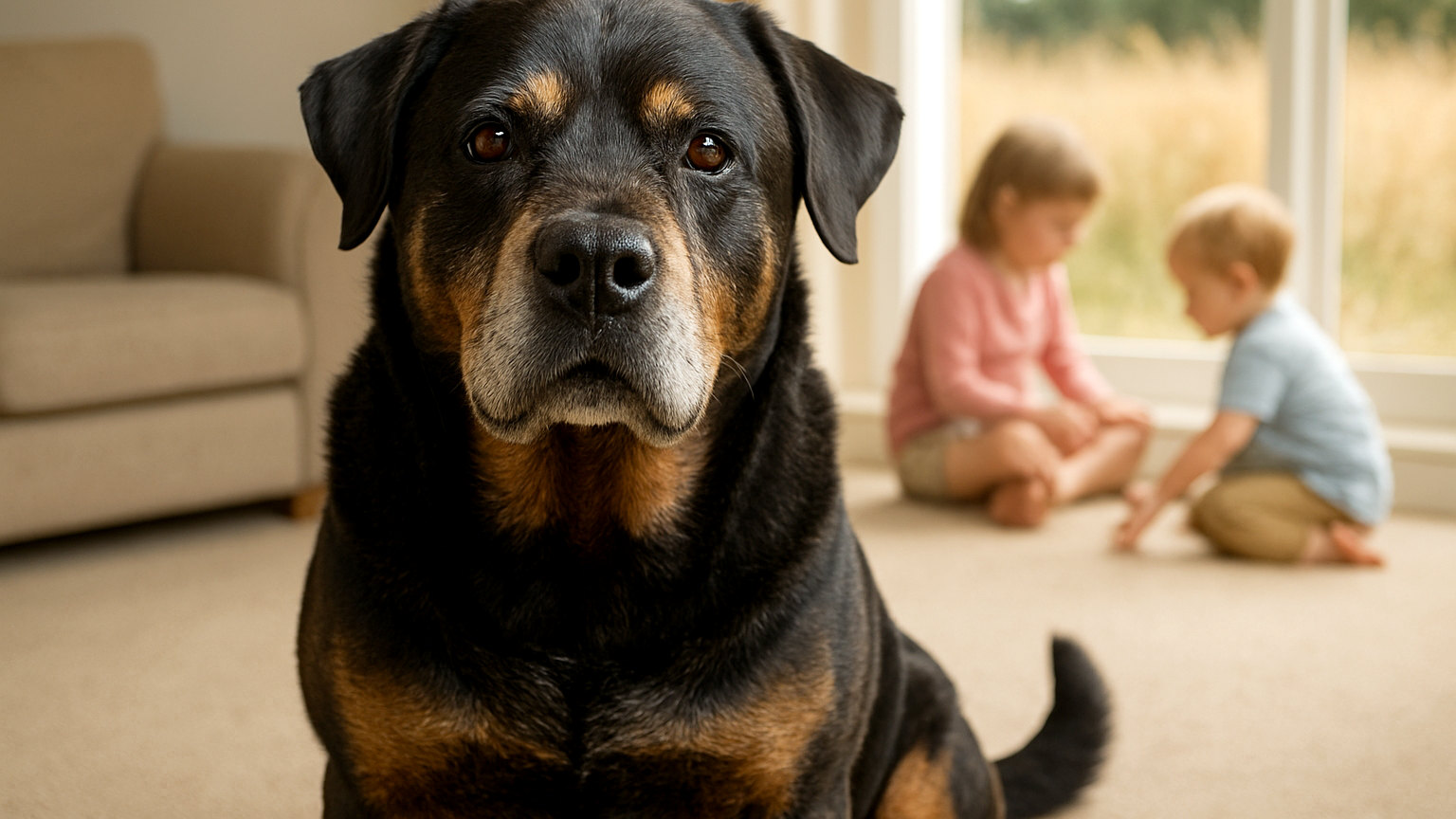
Rottweilers are calm, confident and deeply attached to their families. They are also powerful guardians, and that requires real commitment.
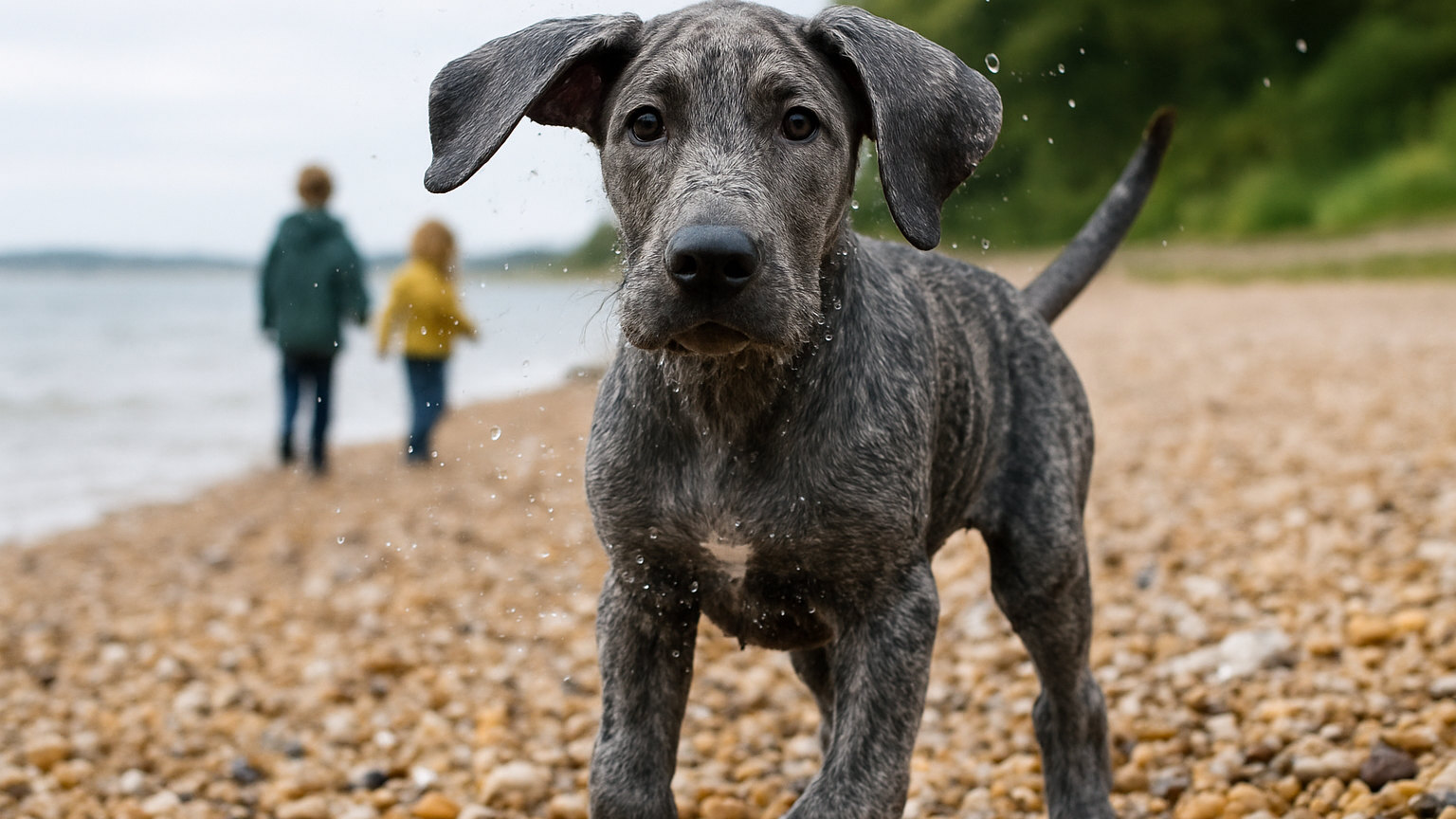
Great Danes are famously gentle and surprisingly low-energy, but their size, short lifespan and health risks need clear-eyed consideration.
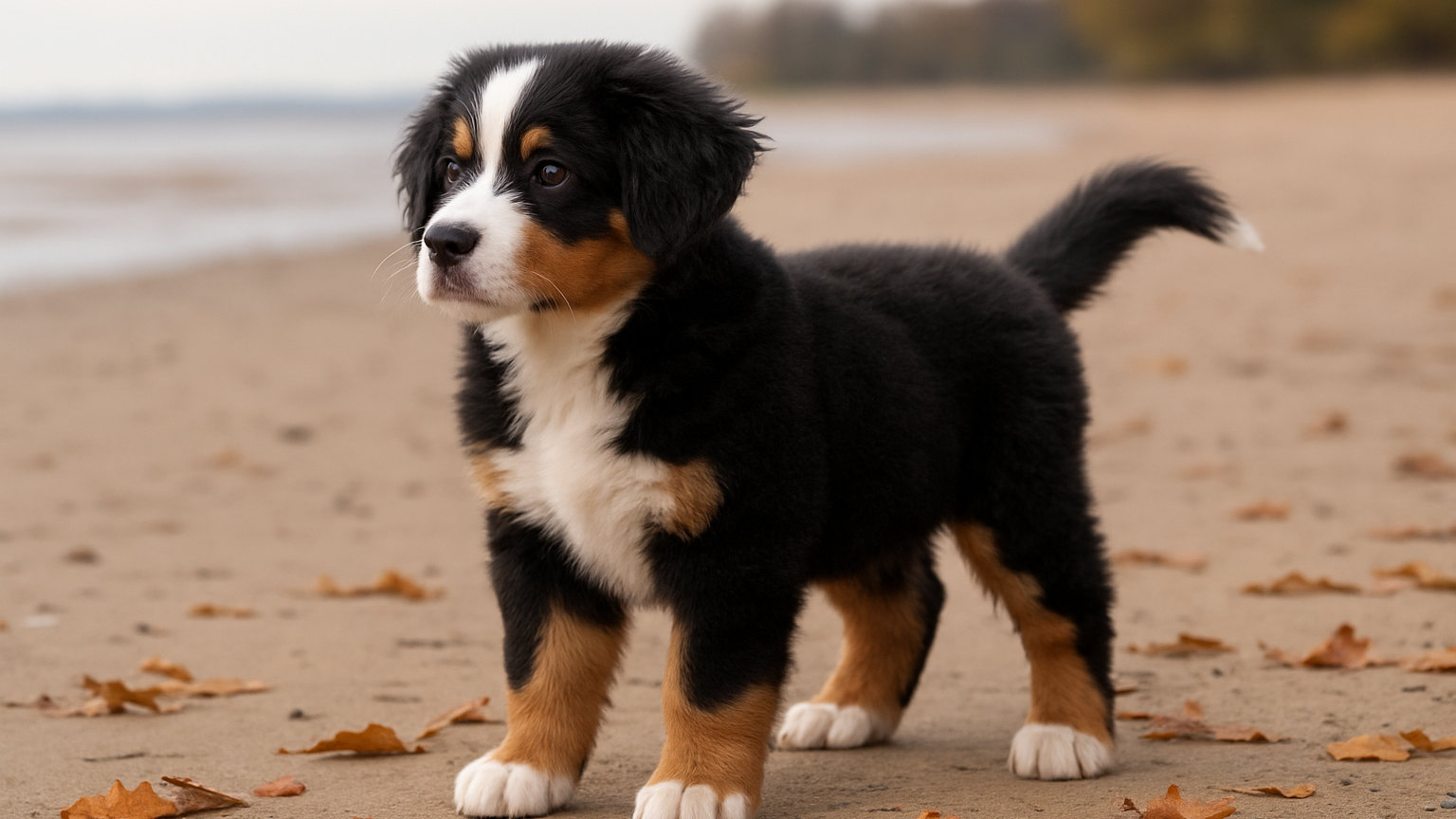
Bernese Mountain Dogs are gentle, family-oriented and beautiful. They also have one of the shortest lifespans of any breed.