When Does a Large Breed Puppy Stop Growing?
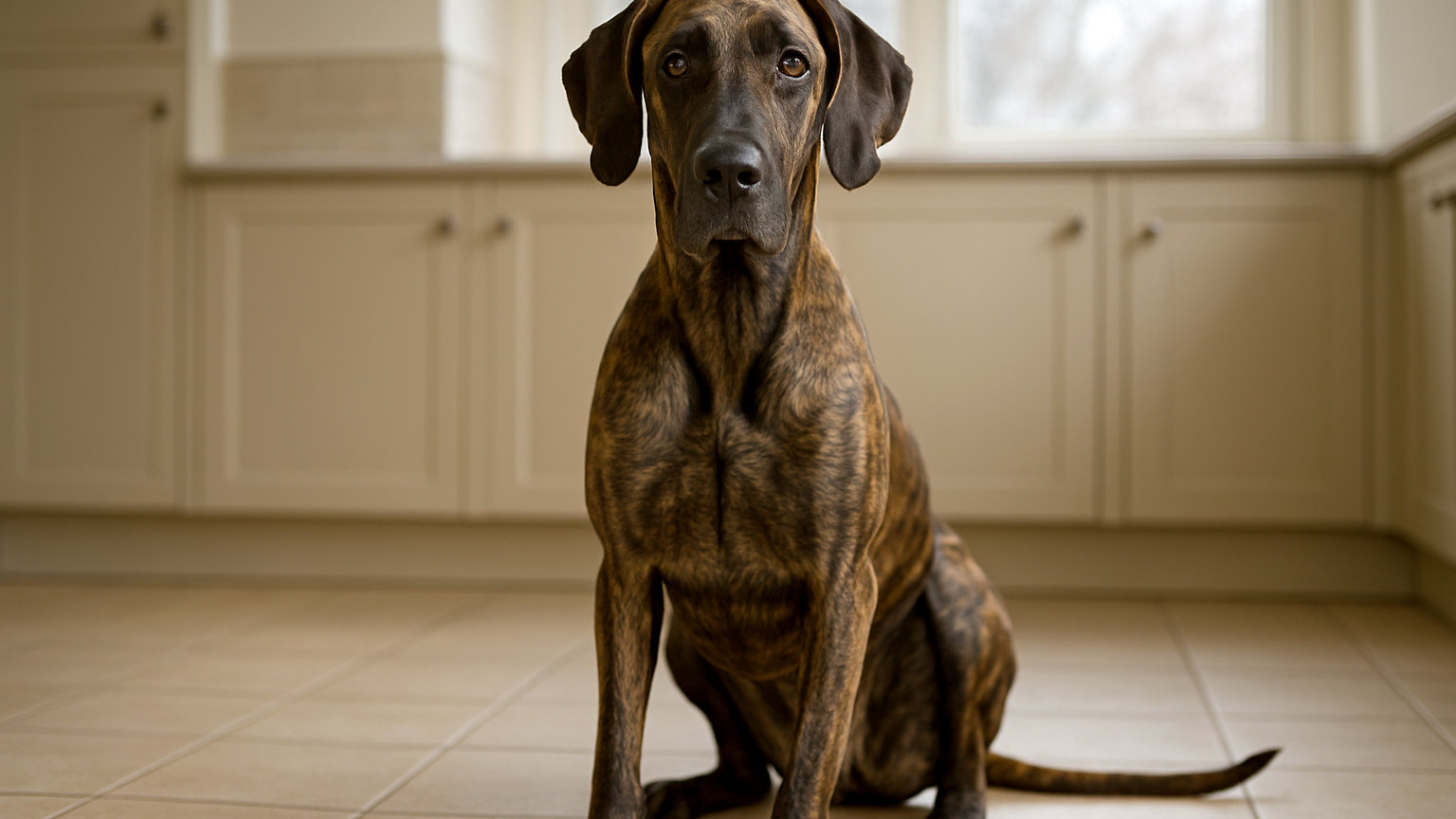
Large breeds keep growing far longer than small ones, and what happens during that window shapes the dog's joints for life.
By Dog Guides Editorial
2 Jun 2026

Almost every breed description online was written to make the breed sound appealing, which is how people end up with a working dog in a flat and no idea why it has eaten the sofa. These guides cover what each breed was bred to do, how much exercise and grooming it genuinely needs, the health problems it is prone to, and the kind of household it does badly in. The aim is to help you pick a dog you will still be happy with in eight years, not just one that looks good in photographs.
Large breeds keep growing far longer than small ones, and what happens during that window shapes the dog's joints for life.
Bloat kills within hours and is most common in deep-chested breeds. Recognising it quickly is the single thing that changes the outcome.
Large breed puppies need far less walking than owners expect, and getting this wrong causes joint damage that shows up years later.
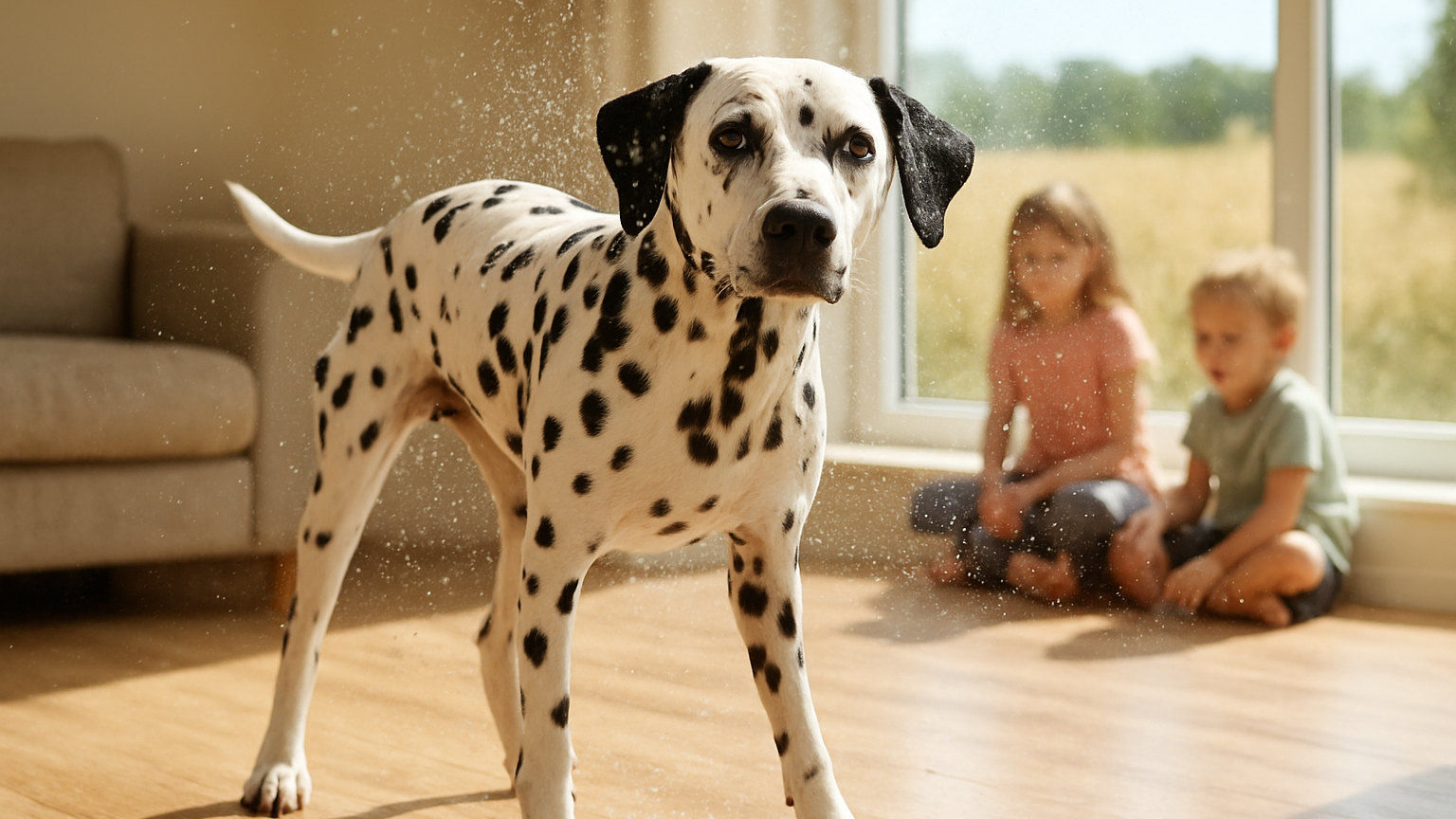
Large tolerant breeds are often better with toddlers than small ones, provided the practical risks of size are properly managed.
Drool and hair are the two things large dog owners most often wish they had researched first, and both vary enormously by breed.
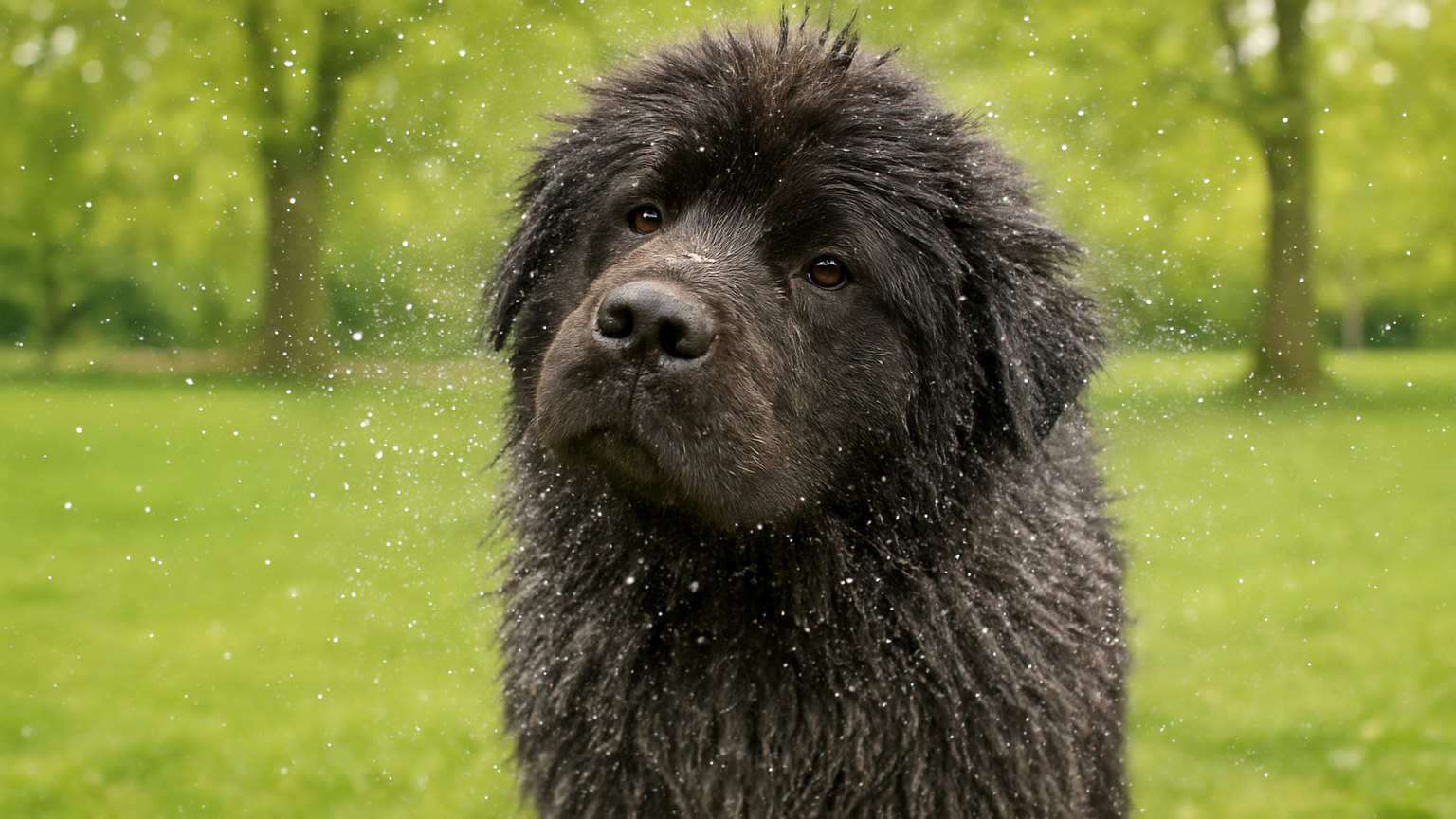
Newfoundlands are among the gentlest dogs alive, with an enormous coat, a serious drool habit and a real problem with warm weather.
A large dog that pulls is a safety problem rather than an inconvenience, and the fix is more about consistency than equipment.
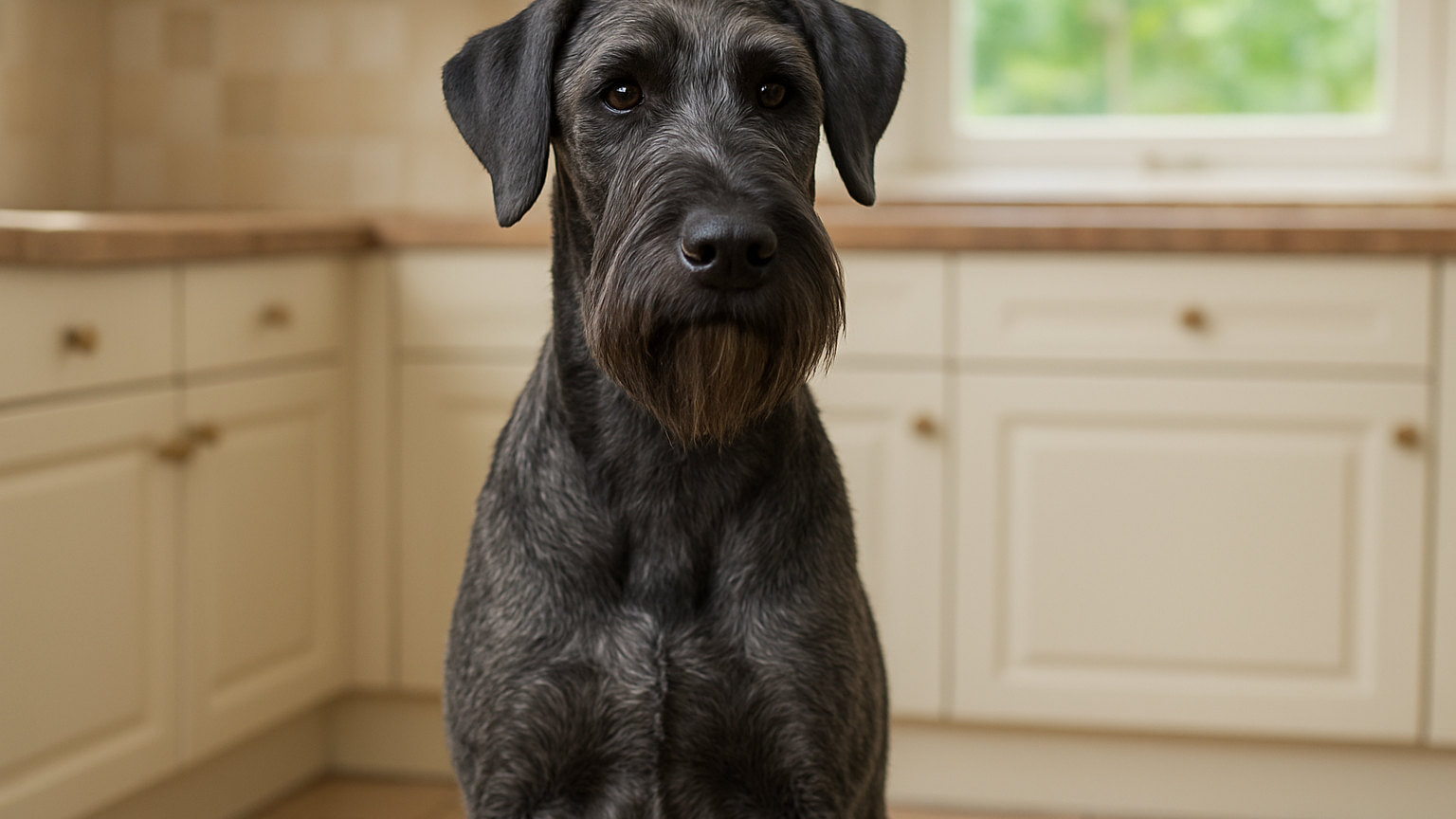
Equipment for a large dog is not simply a bigger version of the small dog list. Several items become safety matters rather than conveniences.
Health testing does not guarantee a healthy puppy, but it shifts the odds substantially, and the certificates should be shown without being asked for.
Family suitability is not about a breed being gentle. It is about how quickly a dog recovers from being startled, and how predictable it is.
Households with teenagers can manage breeds that would be difficult with toddlers, provided the promised help actually materialises.
A busy household is not automatically a bad home for a dog, but it does rule out several breeds that get recommended for families constantly.