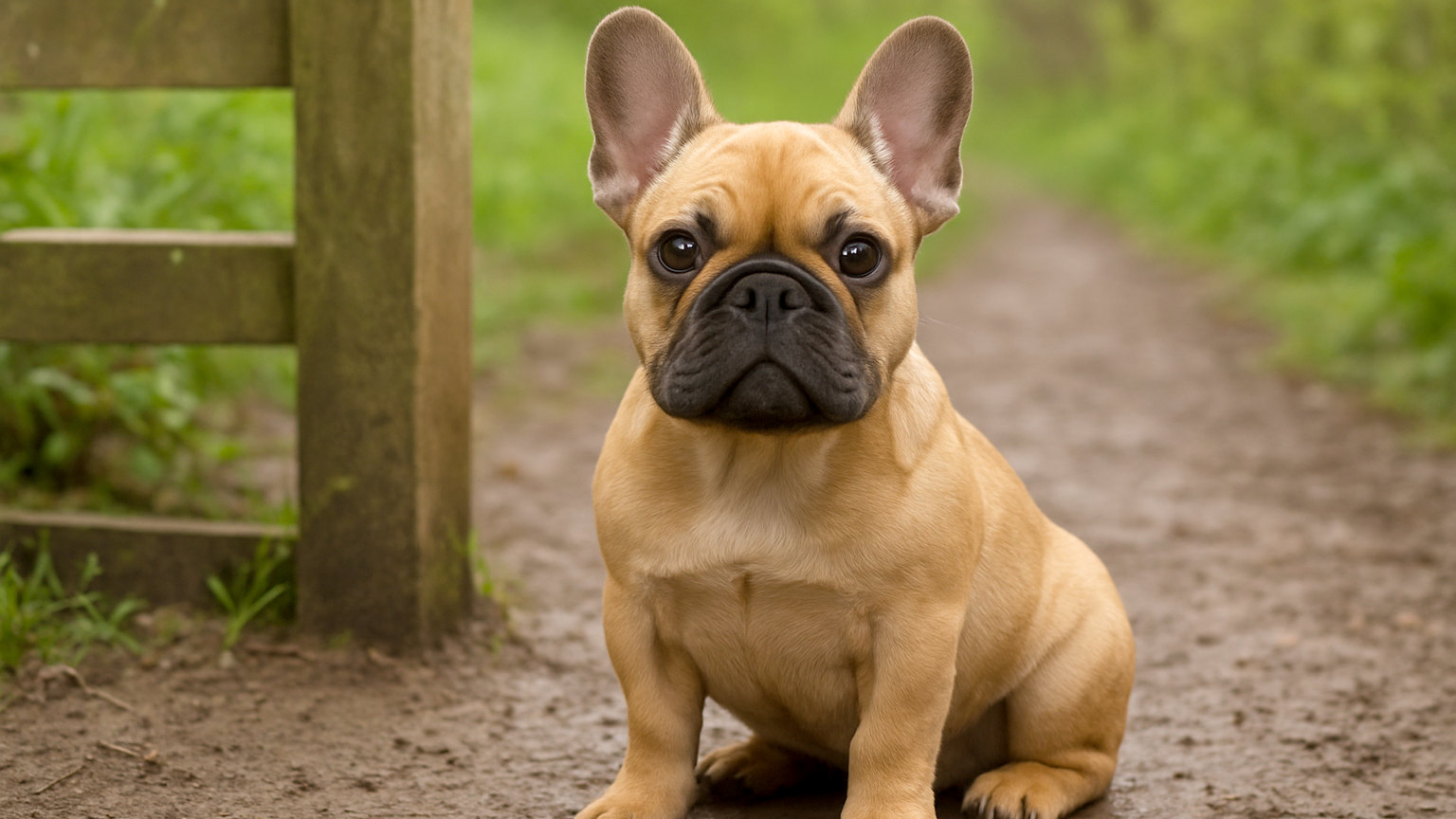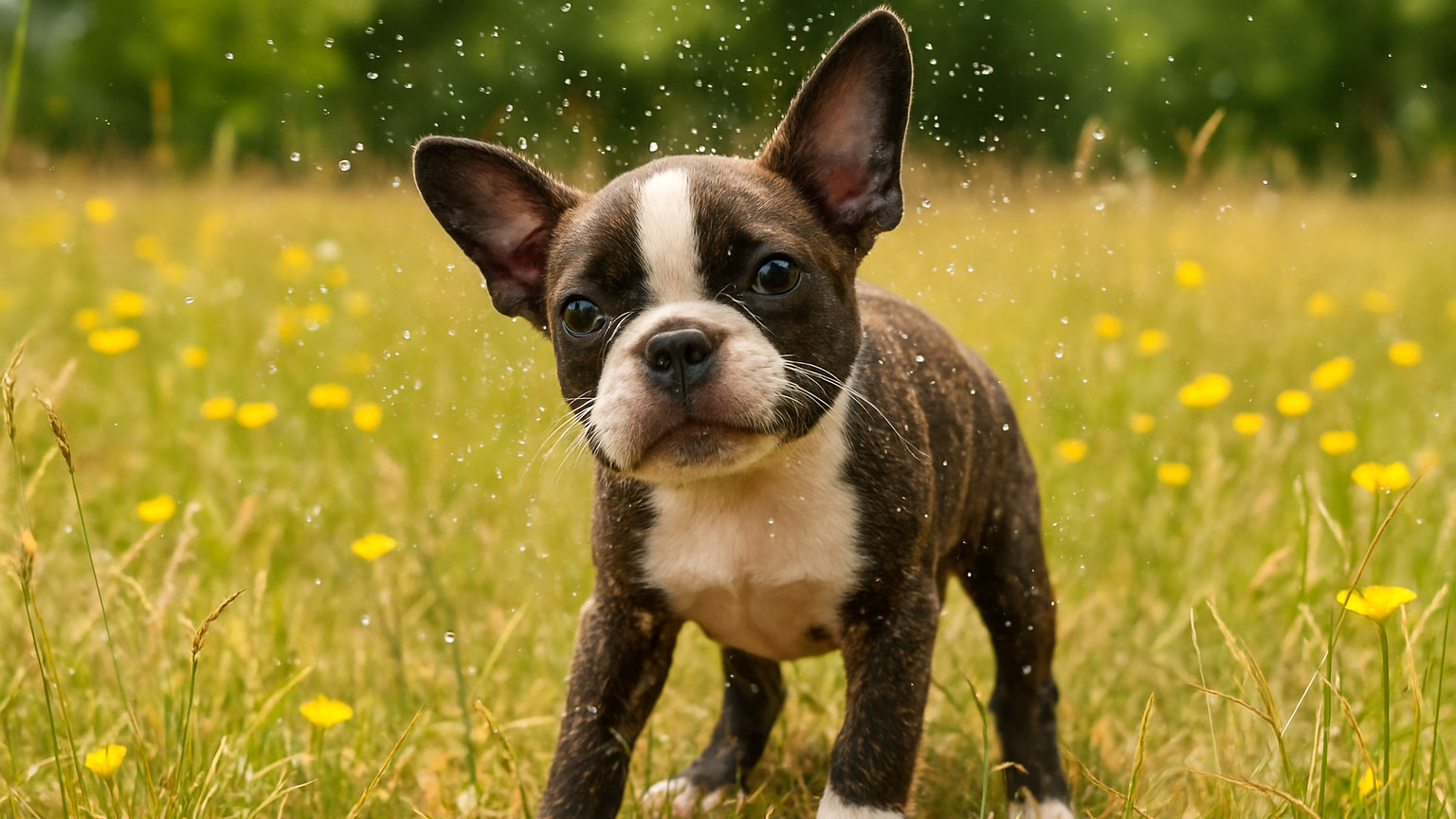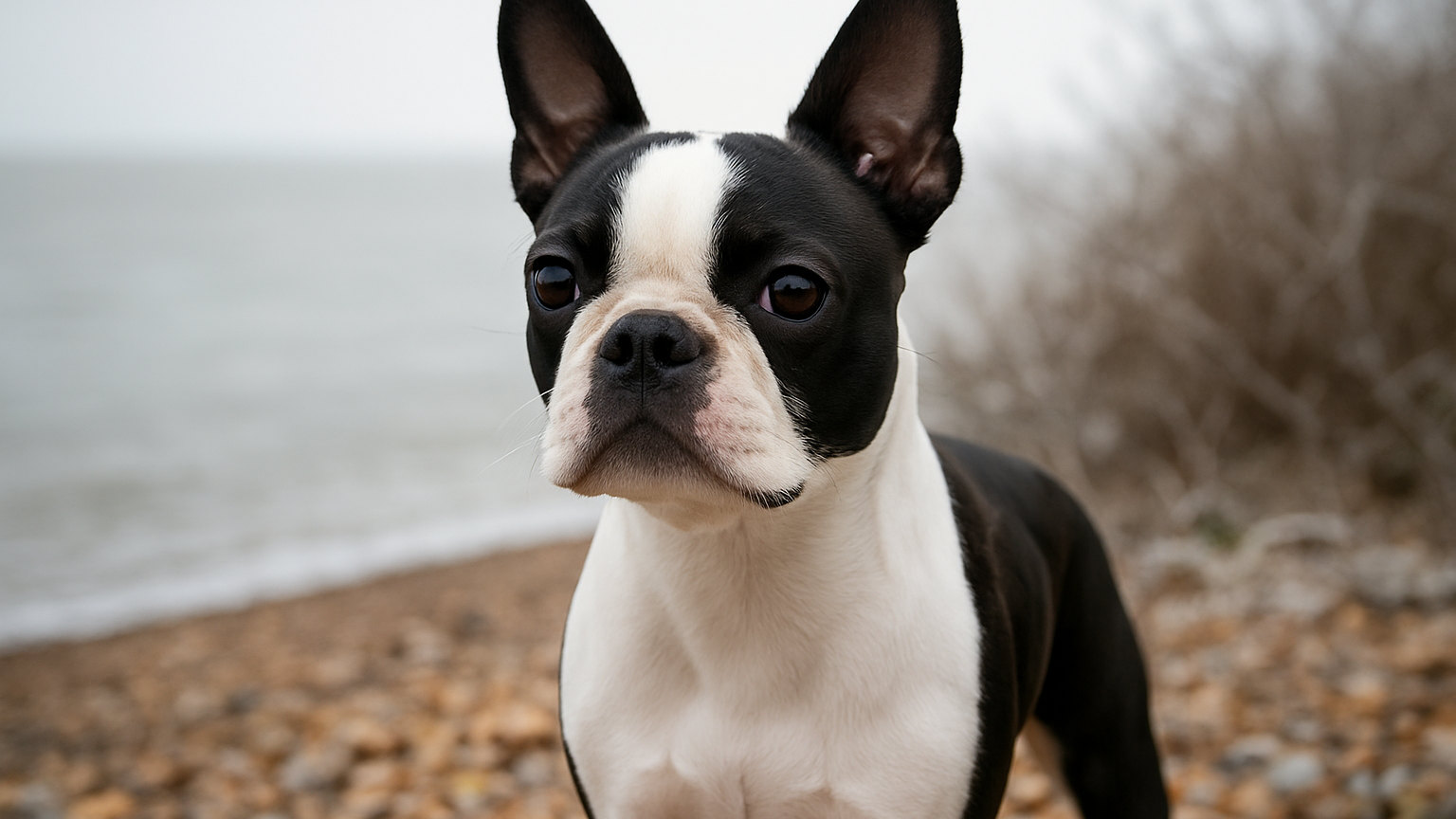
Why Are Pugs and Flat-Faced Breeds Controversial?
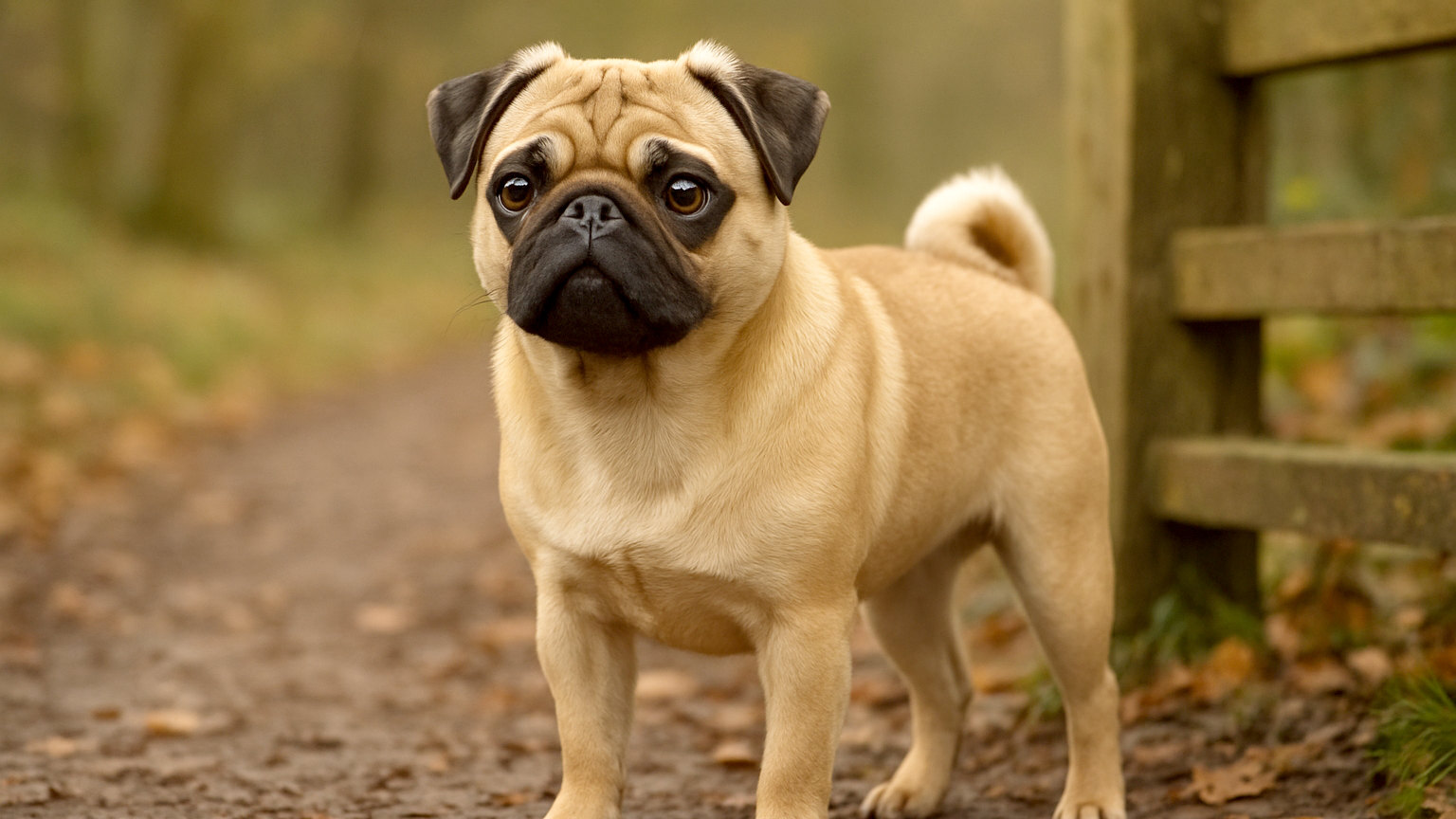
The debate around brachycephalic breeds is about conformation rather than character, and understanding the distinction helps you choose better.
Almost every breed description online was written to make the breed sound appealing, which is how people end up with a working dog in a flat and no idea why it has eaten the sofa. These guides cover what each breed was bred to do, how much exercise and grooming it genuinely needs, the health problems it is prone to, and the kind of household it does badly in. The aim is to help you pick a dog you will still be happy with in eight years, not just one that looks good in photographs.
The debate around brachycephalic breeds is about conformation rather than character, and understanding the distinction helps you choose better.
Most rehoming is not caused by bad dogs but by predictable mismatches. These are the ones that come up again and again.
Some popular breeds carry a lighter health burden than others, though how a dog is bred usually matters more than what it is called.
Size is only part of what makes a dog suitable for a flat. Noise tolerance, stairs and the absence of a garden usually matter more.
Size predicts exercise needs far less reliably than breeding purpose does. Several small breeds out-work dogs three times their weight.
Some small breeds settle far more readily than others, though how a dog is raised affects calmness at least as much as its breed does.
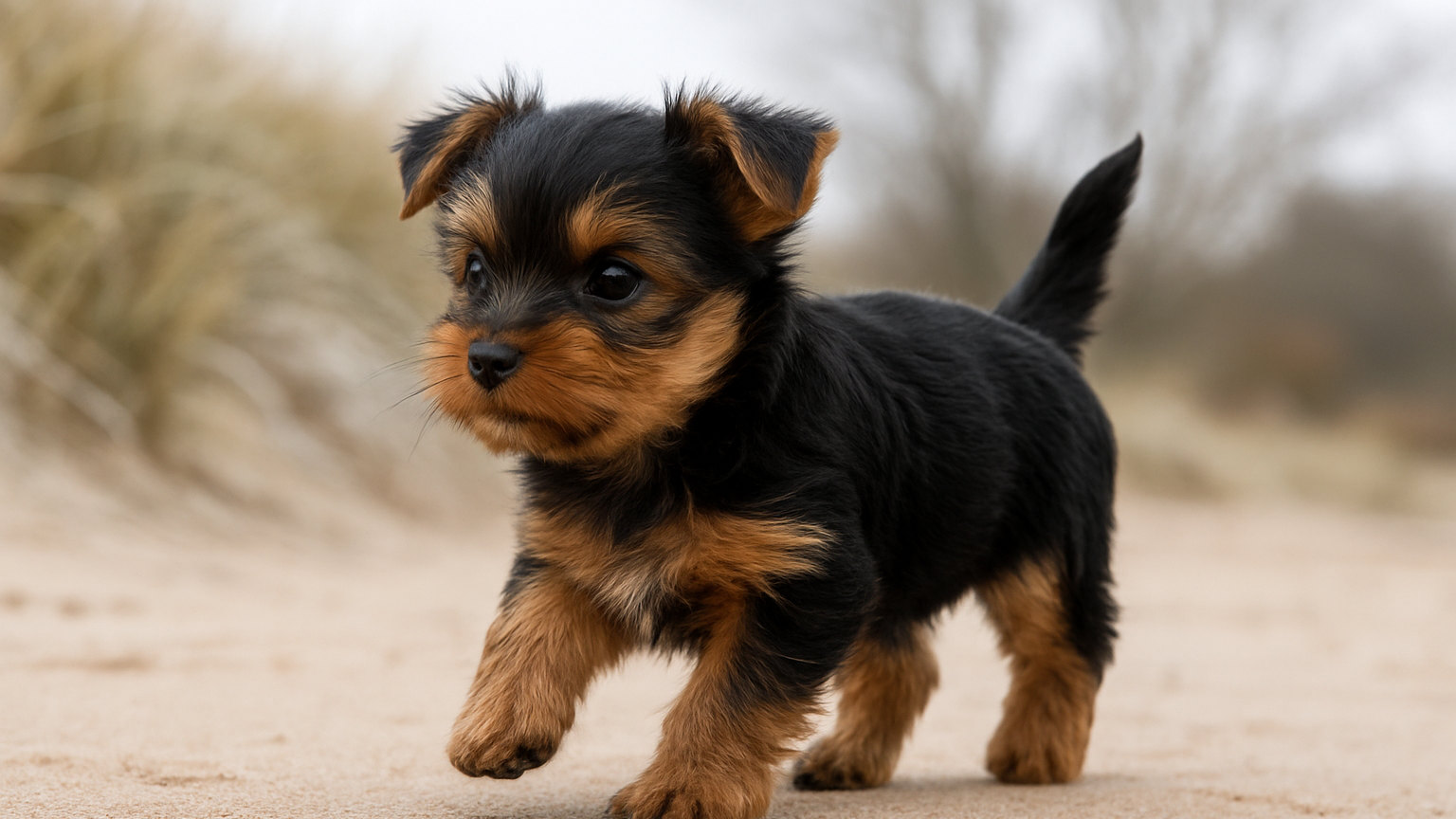
Small dogs do take longer on average, but the reasons are practical rather than a matter of intelligence, and all of them are workable.
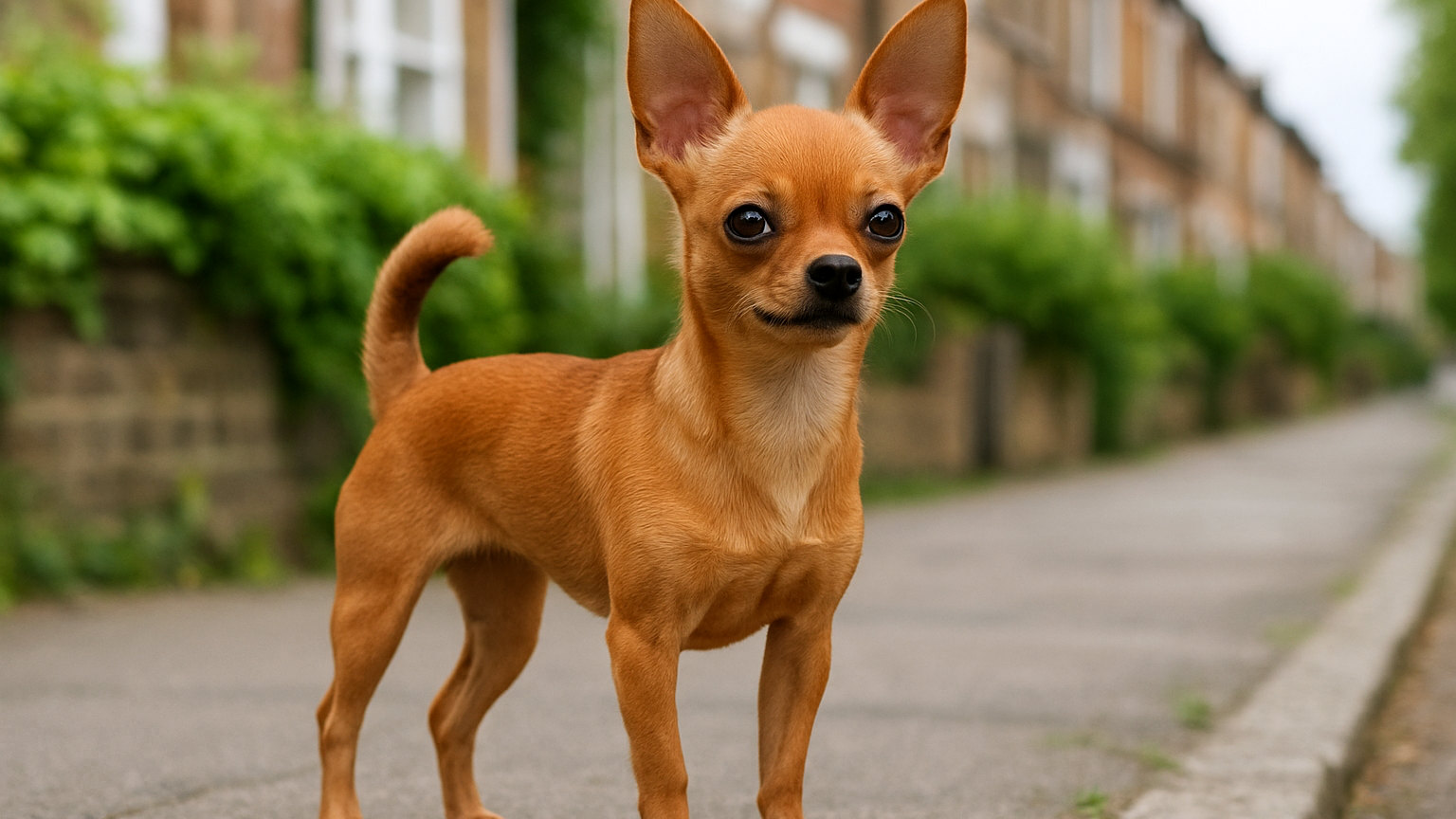
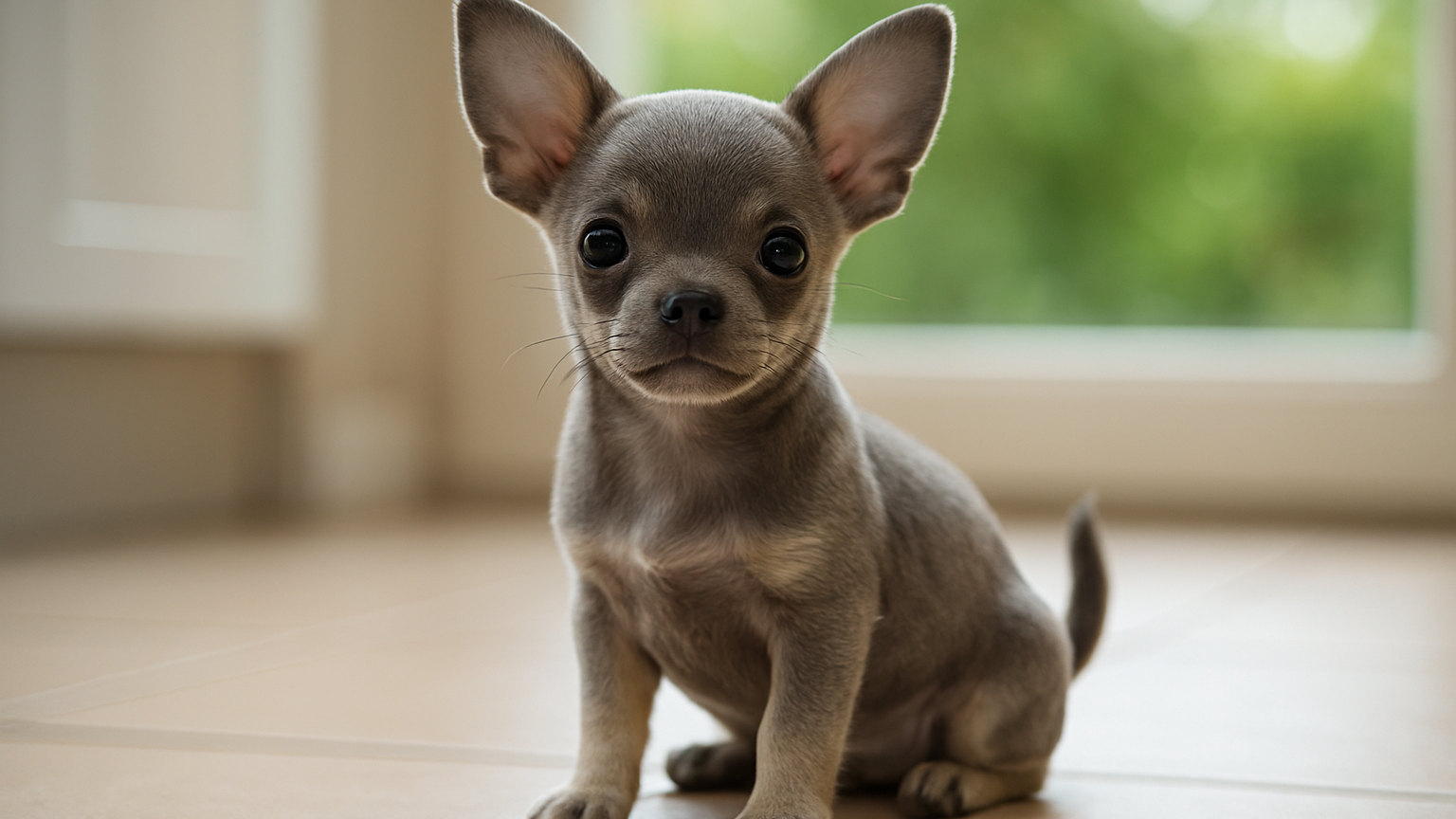
Chihuahuas have a reputation for snappiness that is largely created rather than inherited. Understanding why is most of what you need.
Low-shedding coats trade hair on the sofa for hair that must be brushed and clipped instead. The commitment is larger, not smaller.
Small dogs are often chosen for families on the assumption that less dog means less risk. The reality is close to the opposite.
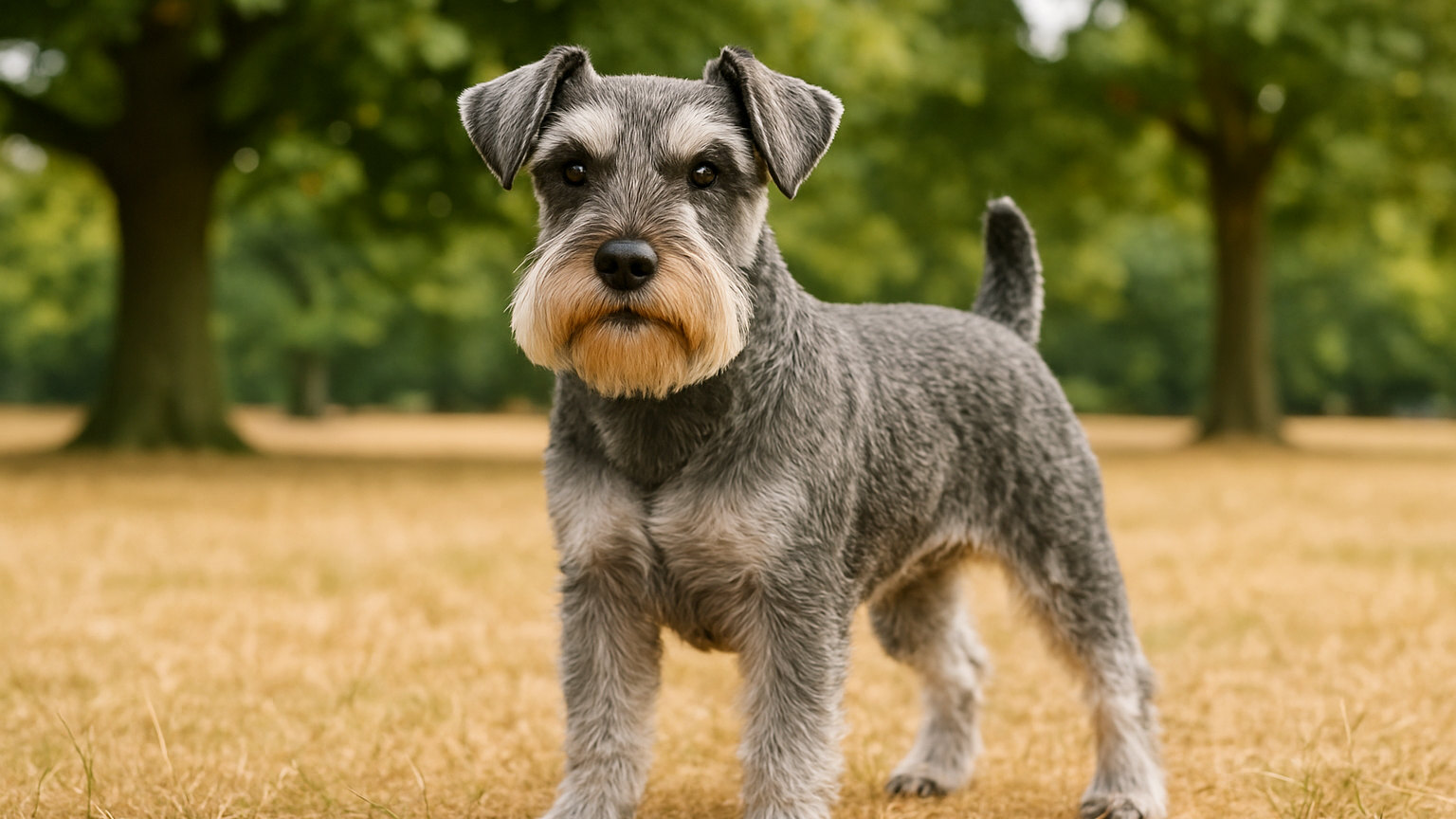
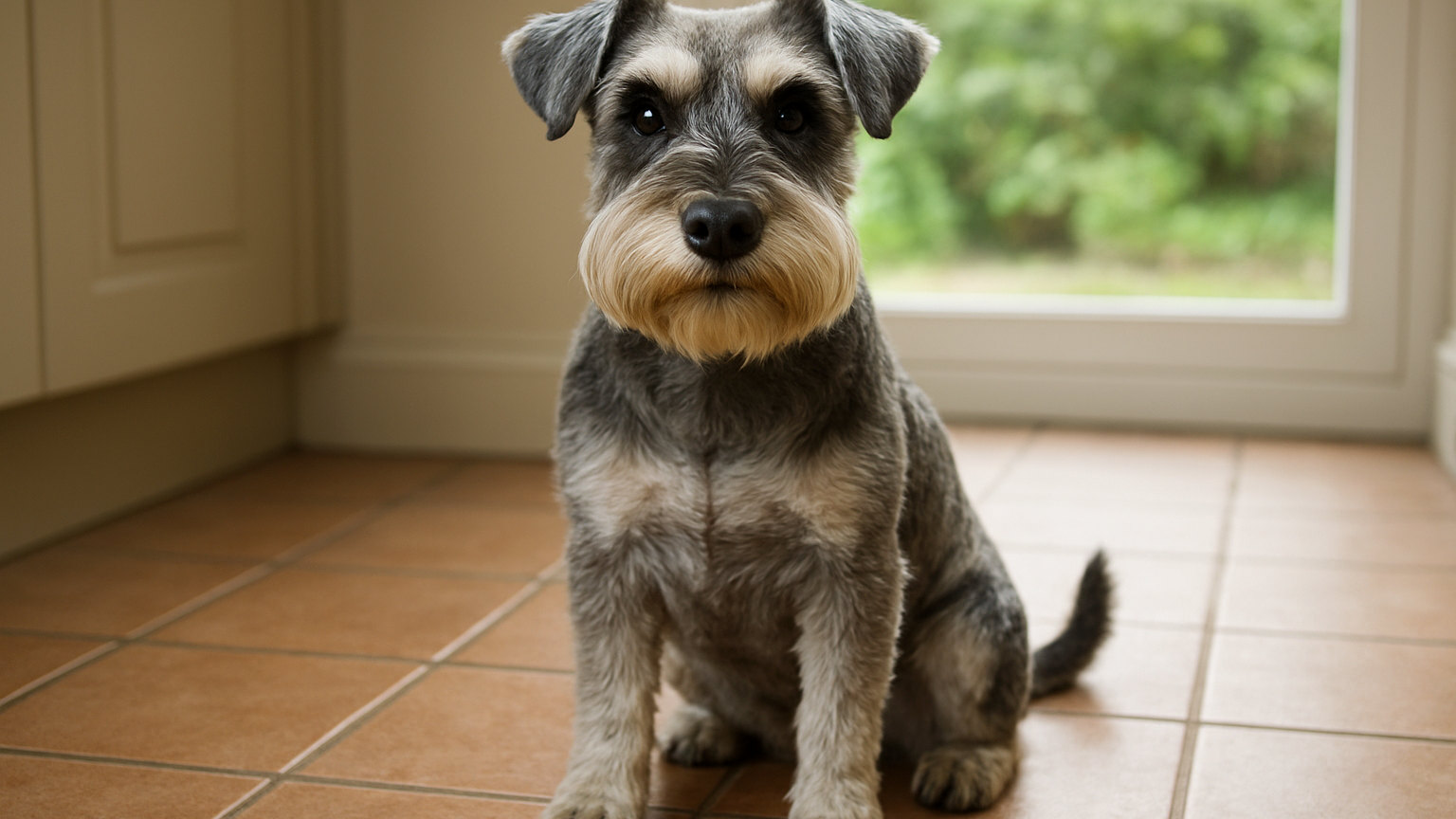
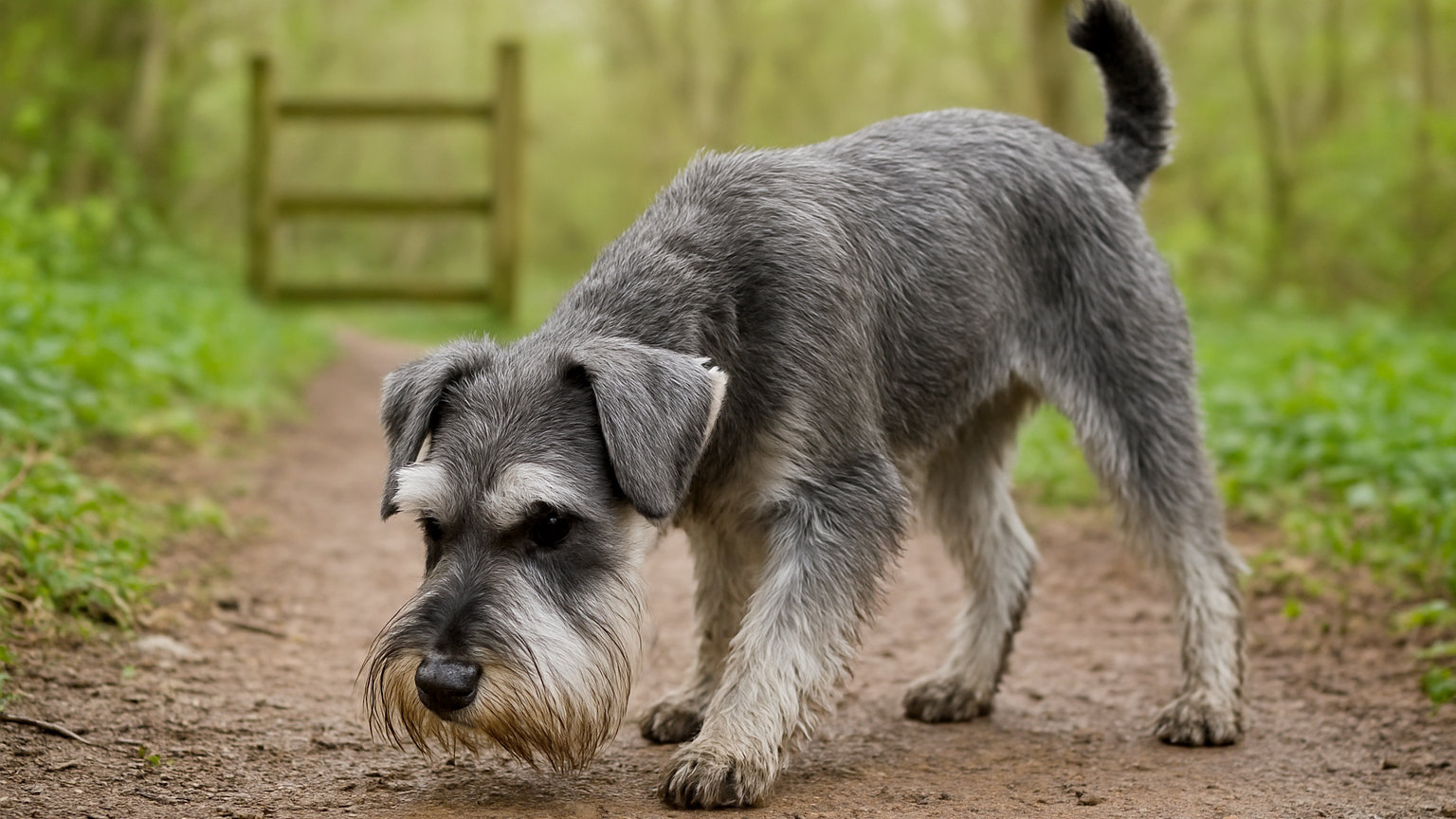
Miniature Schnauzers are bright, busy and vocal, with a coat that needs a decision made about it early on.
A Chihuahua often outlives a Great Dane by seven or eight years. The leading explanation involves how fast large breeds grow.